Ayurvedic Digestive Health & Dosha Calculator
Step 1: Identify Your Dominant Dosha
Select the option that best describes your natural tendencies.
Step 2: Assess Your Agni (Digestive Fire)
Check all that apply to your current state.
Your Primary Dosha:
Agni Status:
Recommended Actions
Imagine eating a delicious meal, only to feel sluggish, bloated, or mentally foggy an hour later. Most people blame the food itself. But in Ayurveda, an ancient Indian system of medicine that focuses on balancing energy flows within the body, the problem rarely lies with the ingredient list. It lies with your ability to process it. This brings us to the single most important concept in this tradition: the golden rule.
If you have ever wondered how to stay healthy without counting calories or following restrictive fads, the answer has been written down for thousands of years. The golden rule of Ayurveda is simple yet profound: **Protect your Agni**.
The Core Concept: What is Agni?
To understand why protecting Agni is the golden rule, we first need to define what Agni actually is. In English, we often translate Agni as "digestive fire." However, that translation is too narrow. Agni is not just about breaking down the rice and dal you ate for lunch. It is the metabolic intelligence of your entire body.
Think of Agni as the spark that turns raw materials into usable energy. When your Agni is strong, you digest food efficiently, absorb nutrients, eliminate waste cleanly, and maintain a sharp mind. Your skin glows, your sleep is deep, and your mood is stable. When Agni is weak (a state called *Mandagni*), food sits in your stomach like wet wood. It doesn't burn; it ferments. This fermentation creates toxins known as Ama.
Ama is considered the root cause of almost all disease in Ayurveda. It is a sticky, toxic sludge that clogs your channels (*Srotas*). Over time, Ama leads to inflammation, joint pain, fatigue, and chronic illness. Therefore, the golden rule isn't just about feeling good after dinner; it is about preventing disease at its source by keeping your metabolic fire burning brightly.
Why Diet Alone Isn't Enough
You might be thinking, "I eat organic vegetables and drink green juice, so my Agni must be fine." Not necessarily. In fact, many well-meaning health habits can accidentally extinguish your digestive fire. This is where the nuance of the golden rule comes in. It’s not just *what* you eat, but *how*, *when*, and *where* you eat it.
Ayurveda teaches that digestion is heavily influenced by your environment and mental state. If you are stressed, angry, or distracted while eating, your Agni dims. The nervous system shifts from "rest and digest" to "fight or flight," diverting blood flow away from the gut. You might eat the healthiest salad in the world, but if you consume it while checking emails or arguing with a partner, your body cannot process it effectively. That salad becomes potential Ama.
This holistic view distinguishes Ayurveda from modern nutrition science, which often isolates nutrients from their context. The golden rule demands that you respect the process of digestion as much as the content of your plate.
Practical Ways to Protect Your Agni
So, how do you actually follow this golden rule in daily life? It doesn’t require expensive supplements or complicated rituals. It requires awareness. Here are the most effective, evidence-backed practices to strengthen and protect your Agni.
- Eat Warm and Cooked Foods: Raw foods, especially salads and cold smoothies, require more energy to break down. Imagine trying to melt ice cubes in your stomach versus sipping warm soup. For most people, especially those with weaker digestion, cooked, warm meals are easier to process. Steam, stew, or lightly sauté your vegetables. Add warming spices like ginger, cumin, coriander, and black pepper to ignite the fire.
- Follow the Largest Meal at Midday: Your Agni is strongest between 12 PM and 2 PM, when the sun is highest. This is the ideal time for your largest meal. By evening, your digestive fire naturally wanes. A heavy dinner late at night is like pouring water on a dying ember. Keep dinners light, early, and easy to digest.
- Drink Water Wisely: Chugging large glasses of ice-cold water during a meal douses your Agni instantly. Instead, sip warm or room-temperature water throughout the day. If you need water with meals, take small sips. Avoid drinking large amounts thirty minutes before or after eating, as this dilutes digestive enzymes.
- Practice Mindful Eating: Sit down to eat. Turn off the TV. Put away your phone. Chew your food thoroughly until it is almost liquid. Digestion begins in the mouth with enzymes in saliva. If you swallow chunks, your stomach has to work overtime. Enjoy the taste, texture, and aroma. Gratitude enhances digestion.
- Listen to Hunger Cues: Only eat when you are truly hungry. True hunger feels like an empty, hollow sensation in the stomach, accompanied by a return of appetite. False hunger is driven by boredom, stress, or habit. Eating without true hunger overwhelms your Agni. Leave yourself slightly unsatisfied-about 80% full-to allow room for digestion.

The Role of Doshas in Digestion
While protecting Agni is universal, the way you do it depends on your Dosha constitution. Ayurveda identifies three primary bio-energies: Vata (air and ether), Pitta (fire and water), and Kapha (earth and water). Each dosha affects Agni differently.
| Dosha | Agni Type | Common Digestive Issues | Best Dietary Approach |
|---|---|---|---|
| Vata | Variable (Vishamagni) | Bloating, gas, constipation, irregular appetite | Warm, moist, grounding foods. Regular meal times. Ginger tea. |
| Pitta | Sharp (Tikshnagni) | Heartburn, acidity, diarrhea, excessive hunger | Cooling, hydrating foods. Avoid spicy/oily foods. Coriander and fennel. |
| Kapha | Slow (Mandagni) | Weight gain, lethargy, mucus, slow metabolism | Light, dry, spicy foods. Intermitent fasting. Black pepper and turmeric. |
For example, if you are Vata-dominant, your Agni is erratic. One day you have no appetite; the next, you’re starving. Your goal is consistency. Eat at the same times every day. If you are Pitta-dominant, your Agni is intense. You might get heartburn easily. Your goal is cooling and calming. Avoid chili peppers and alcohol. If you are Kapha-dominant, your Agni is sluggish. You might feel heavy after meals. Your goal is stimulation. Use pungent spices and avoid heavy dairy or sweets.
Ama: The Silent Enemy
We mentioned Ama earlier, but it deserves deeper attention because it is the direct result of ignoring the golden rule. How do you know if you have accumulated Ama? Look for these signs:
- A thick, white coating on your tongue in the morning.
- Foul-smelling breath or body odor.
- Chronic fatigue, even after sleeping enough.
- Brain fog or difficulty concentrating.
- Joint stiffness or unexplained aches.
- Irregular bowel movements.
If you recognize these symptoms, your Agni is likely compromised. The solution isn't always to eat more "healthy" food. Sometimes, it is to eat less. Fasting, or reducing food intake for a day, can give your digestive system a rest and help clear out Ama. Start with a light day of soups and steamed vegetables. Notice how your body feels lighter and clearer.

Lifestyle Factors Beyond Food
Food is only half the equation. Your lifestyle choices either fan the flames of Agni or smother them. Stress is a major killer of digestive fire. When you are anxious, your cortisol levels rise, which inhibits digestion. Incorporate daily practices that calm the nervous system. Yoga, meditation, and pranayama (breathwork) are not just spiritual exercises; they are physiological tools to regulate your autonomic nervous system and support digestion.
Sleep is another critical factor. Your body repairs and regenerates during deep sleep. If you stay up late scrolling through your phone, you disrupt your circadian rhythm, which directly impacts your gut health. Aim to be asleep by 10 PM, aligning with the natural cycle of nature. This simple change can dramatically improve your Agni.
Physical activity also matters, but the type of exercise should match your Dosha. Gentle movement like walking or yoga helps stimulate digestion without overexerting the body. Intense workouts right before or after eating can divert blood flow away from the gut, weakening Agni. Wait at least two hours after a large meal before exercising.
Seasonal Adjustments
Ayurveda emphasizes living in harmony with nature. This means adjusting your diet and routine based on the season. In winter, your Agni is naturally stronger, so you can handle heavier, richer foods. In summer, your Agni may weaken due to heat, so lighter, cooler foods are better. During monsoon seasons, digestion tends to slow down, so focus on warm, spiced foods to keep Agni active.
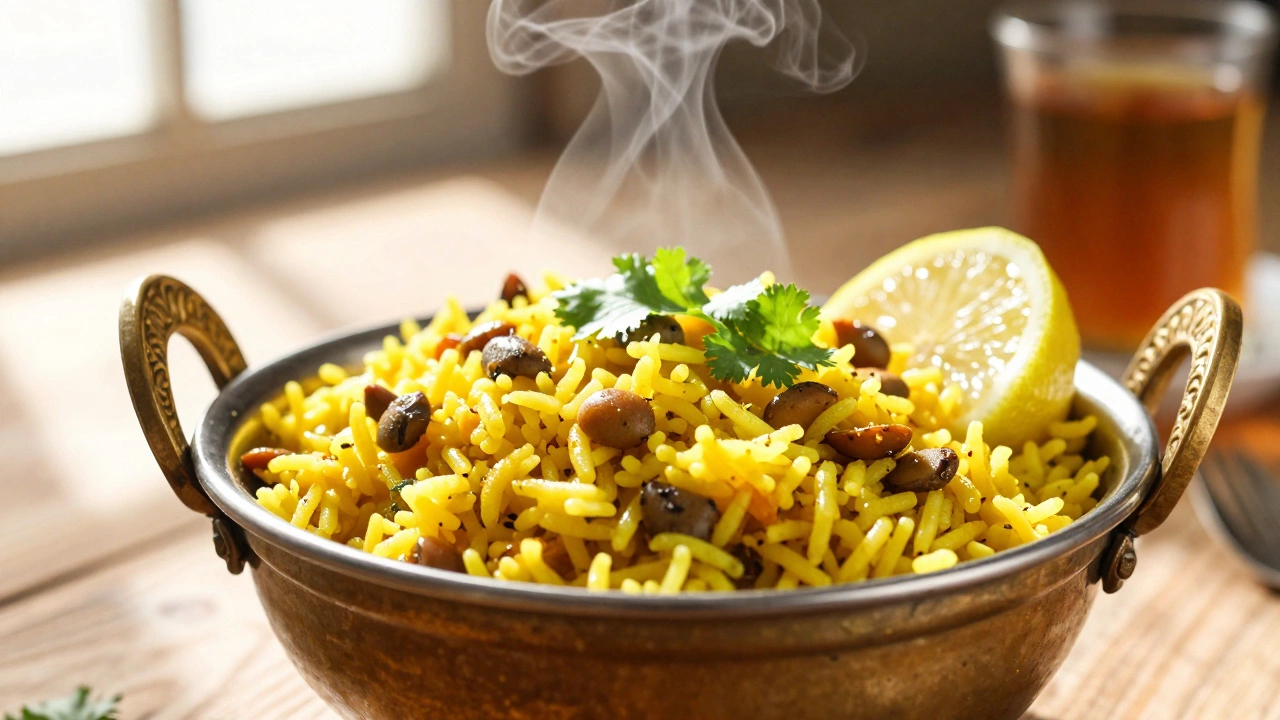
For instance, in the hot months of May and June in Bangalore, I notice my own Agni slowing down. I switch from heavy curries to light khichdi (rice and lentil porridge) with lots of cilantro and lemon. This adjustment prevents Ama buildup and keeps me energetic despite the heat.
Conclusion: Simplicity is Key
The golden rule of Ayurveda is not a complex formula. It is a call to mindfulness. Protect your Agni by eating warm, cooked foods; listening to your hunger; managing stress; and respecting your body's natural rhythms. When you prioritize digestion, everything else falls into place. Your energy rises, your immunity strengthens, and your mind clears. Health is not something you buy; it is something you cultivate, one mindful meal at a time.
What is the golden rule of Ayurveda?
The golden rule of Ayurveda is to protect your Agni, or digestive fire. This means eating foods that are easy to digest, eating at regular times, and maintaining a mindful approach to meals to prevent the accumulation of toxins (Ama).
How do I know if my Agni is weak?
Signs of weak Agni include bloating, gas, constipation or loose stools, fatigue after eating, brain fog, and a thick white coating on the tongue. These indicate that your body is not processing food efficiently.
Can I drink water with my meals in Ayurveda?
You can sip small amounts of warm or room-temperature water during meals. However, avoid chugging large quantities or drinking ice-cold water, as this can dilute digestive enzymes and weaken Agni.
What is Ama in Ayurveda?
Ama is undigested food matter that turns into toxic sludge in the body. It is caused by weak digestion and poor lifestyle habits. Ama is considered the root cause of many diseases in Ayurveda.
How does stress affect digestion according to Ayurveda?
Stress shifts the body into "fight or flight" mode, diverting blood flow away from the digestive system. This weakens Agni, leading to poor nutrient absorption and the formation of Ama. Mindful eating and relaxation techniques are essential for healthy digestion.

Write a comment