Online Pharmacy Safety Checker
Use this tool to evaluate the legitimacy of an online pharmacy based on safety indicators from our 2026 guide.
You need your prescription refilled. It’s raining outside, or maybe you’re just too tired to drive across town. The internet offers an easy solution: click, pay, and wait for delivery. But here is the scary part-many websites selling pills are not pharmacies at all. They are storefronts for counterfeit drugs that can be ineffective or even deadly. Knowing what makes an online pharmacy reputable isn’t just about convenience; it is about survival.
In 2026, the digital health landscape has evolved, but so have the tactics of bad actors. With stricter regulations in many countries and new verification technologies, spotting a legitimate source is easier than ever if you know where to look. This guide cuts through the noise to help you identify safe providers and avoid dangerous scams.
The Red Flags That Scream "Scam"
Before you trust any website with your credit card or medical history, you need to spot the warning signs. Illegal online pharmacies operate differently from legitimate ones because they don't care about your health-they care about profit. Here are the most common red flags that indicate a site is unsafe.
- No Prescription Required: If a site sells controlled substances (like ADHD meds, opioids, or anxiety drugs) without asking for a valid prescription from a licensed doctor, run away. Legitimate pharmacies require a verified prescription every time.
- Prices That Are Too Good to Be True: If a drug costs 80% less than everywhere else, ask yourself why. Counterfeit drugs often contain incorrect dosages, wrong ingredients, or harmful fillers like chalk or rat poison. Deep discounts usually mean deep cuts on safety standards.
- Poor Website Quality: Look for spelling errors, broken links, or outdated design. Reputable companies invest in their user experience. A site that looks like it was built in 1999 is likely hiding something.
- No Physical Address or Phone Number: Legitimate pharmacies have a physical location you can visit or call. If the only contact method is a generic email form, that is a major risk factor.
- Unsolicited Emails: Did you get an email offering cheap Viagra or weight loss pills out of nowhere? These are almost always scams designed to steal your data or sell fake goods.
How to Verify an Online Pharmacy
Finding a reputable provider requires a bit of detective work. You cannot rely on Google Ads alone, as scammers often pay to appear at the top of search results. Instead, use official verification seals and government resources.
| Organization | Region | What to Look For |
|---|---|---|
| NABP VIPPS | USA | Look for the Verified Internet Pharmacy Practice Sites seal. Click it to ensure it links to the NABP database. |
| GPhC | UK | The General Pharmaceutical Council register. All UK-registered pharmacies must display their unique ID. |
| CIPA | Global/US | Canadian International Pharmacy Association. Checks if US-based sites meet Canadian safety standards. |
| HIMS/HMO | India | Check for registration with the Ministry of Health and Family Welfare and state pharmacy boards. |
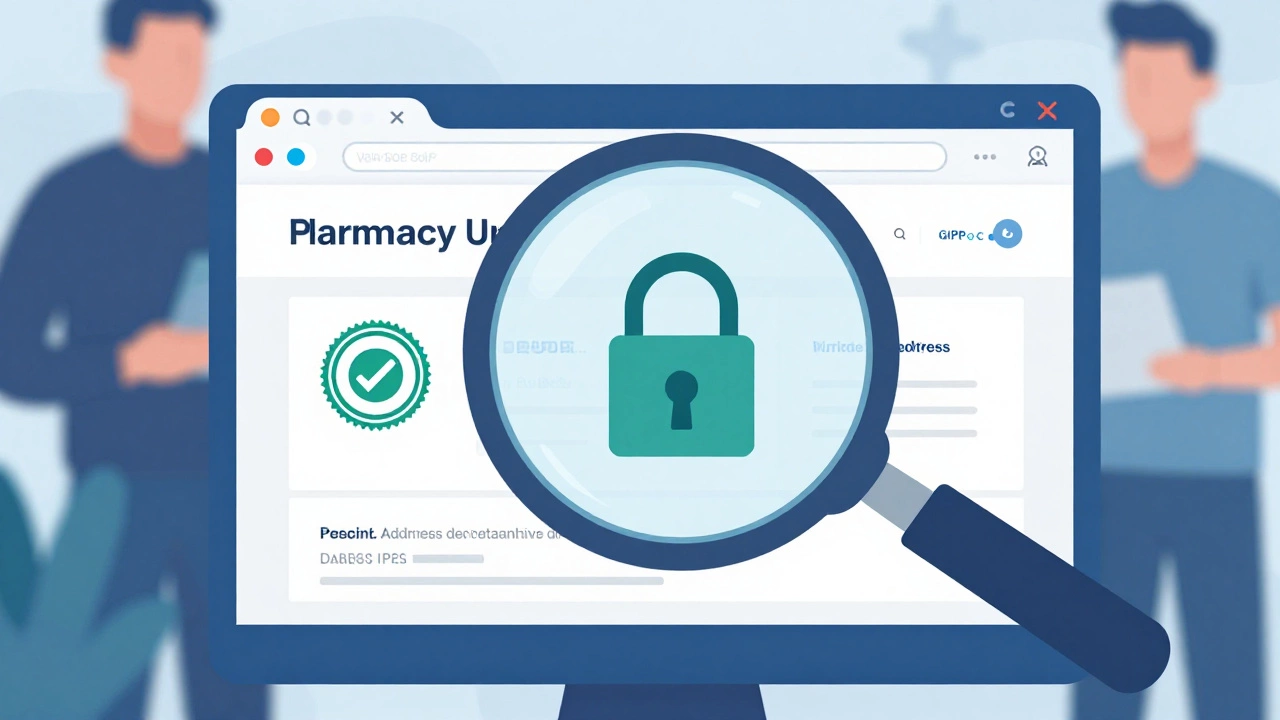
If you are in the United States, the National Association of Boards of Pharmacy (NABP) maintains the VIPPS accreditation program, which verifies that a pharmacy meets strict legal and professional standards. Always click the seal on the website. Scammers often paste a fake image of the seal that leads nowhere. A real seal will take you to the NABP’s official verification page.
For international buyers, the FDA provides a list of rogue online pharmacies and warns against buying from unlicensed sources. Check their "BeSafeRx" tool before ordering. If the pharmacy isn’t listed or is flagged, do not proceed.
Why Data Privacy Matters More Than Price
When you buy medication online, you are sharing sensitive personal information: your name, address, insurance details, and medical history. A reputable online pharmacy treats this data with extreme care. They should have a clear privacy policy that explains how your data is stored, used, and protected.
Look for these security indicators:
- HTTPS Encryption: The URL bar should show a padlock icon. This means the connection between your browser and the site is encrypted. Without it, hackers can intercept your payment info.
- Clear Contact Information: A legitimate business wants you to be able to reach them. Check for a real customer service number and a physical address. Try calling it. If it goes to voicemail or doesn’t exist, that is a bad sign.
- Licensed Pharmacist Access: Can you talk to a pharmacist? Reputable sites offer chat or phone support with licensed professionals who can answer questions about drug interactions or side effects. If you only get automated responses, be cautious.
The Risks of Counterfeit Medications
Why do people still fall for scams? Often, it is desperation or cost. Chronic conditions like diabetes, hypertension, or mental health disorders require lifelong medication. When prices rise, patients look for cheaper alternatives. This is exactly when scammers strike.
Counterfeit drugs are not just "fake." They are unpredictable. According to the World Health Organization, one in ten medical products in low- and middle-income countries is substandard or falsified. In developed nations, the risk is lower but still significant, especially for high-demand drugs like erectile dysfunction treatments, antibiotics, and painkillers.
Here is what can happen if you buy from an unverified source:
- Incorrect Dosage: The pill might contain too little of the active ingredient, meaning your condition worsens. Or it might contain too much, leading to overdose.
- Harmful Ingredients: Some counterfeits include toxic substances like lead, arsenic, or industrial chemicals. These can cause organ damage over time.
- Allergic Reactions: Unknown fillers or dyes can trigger severe allergic reactions, especially in people with sensitivities.
- Antibiotic Resistance: Substandard antibiotics kill some bacteria but not all, leading to stronger, resistant strains that are harder to treat later.
Legitimate Telehealth vs. Rogue Sites
There is a difference between a telehealth service and a rogue online pharmacy. Many reputable online pharmacies now partner with telehealth platforms. You consult with a licensed doctor via video or chat, get a prescription, and then order your meds from a verified pharmacy. This model is safe and convenient.
However, some sites blur the lines. They offer a "quick consultation" that takes two minutes and automatically approves any medication you request. This is not real medicine. Real doctors ask detailed questions, review your history, and may refuse to prescribe certain drugs if they are unsafe for you. If the process feels too easy, it probably is.
Always check if the prescribing doctor is licensed in your state or country. You can verify this through your local medical board. If the doctor’s license is vague or non-existent, do not use that service.
Tips for Safe Online Purchasing in 2026
To stay safe in today’s digital environment, follow these practical steps:
- Start with Your Doctor: Ask your healthcare provider if they recommend any specific online pharmacies. Many hospitals and clinics have partnerships with trusted vendors.
- Use Established Retailers: Stick with well-known brands like CVS, Walgreens, Boots, or local chain pharmacies that offer online ordering. They have reputations to protect.
- Check Reviews Independently: Don’t trust reviews on the pharmacy’s own site. Look for third-party reviews on Trustpilot, BBB, or Reddit. Search for the pharmacy name plus "scam" or "review" to see unfiltered feedback.
- Monitor Your Bills: After ordering, check your bank statement immediately. Ensure the charge matches what you paid. Discrepancies can indicate fraud.
- Inspect Your Package: When your medication arrives, check the packaging. It should be sealed, labeled correctly, and include patient counseling inserts. If the box is damaged or the label is missing, contact the pharmacy immediately.
Conclusion: Prioritize Safety Over Speed
Finding a reputable online pharmacy takes a few extra minutes, but those minutes can save your life. The convenience of home delivery is worth nothing if the product inside is dangerous. By verifying credentials, checking for secure connections, and avoiding deals that seem too good to be true, you can safely manage your health from home.
Remember, your health is not a gamble. Choose providers that prioritize transparency, legality, and patient safety. If you are ever unsure, call your local pharmacist or doctor. They are your best resource for navigating the complex world of online medication.
Is it legal to buy prescription drugs online?
Yes, it is legal to buy prescription drugs online as long as the pharmacy is licensed and you have a valid prescription from a licensed healthcare provider. However, importing medications from other countries may violate local laws, so check your country's regulations before ordering internationally.
How can I tell if an online pharmacy is fake?
Fake pharmacies often lack a physical address, do not require a prescription, offer prices significantly lower than market rates, and have poor website quality. Always verify the site through official bodies like NABP (in the US) or GPhC (in the UK).
Are online pharmacies cheaper than brick-and-mortar stores?
They can be, but not always. Legitimate online pharmacies may offer discounts due to lower overhead costs. However, if the price is drastically lower, it is likely a scam. Compare prices from multiple reputable sources to find the best deal.
What should I do if I receive counterfeit medication?
Do not take the medication. Contact the pharmacy immediately to report the issue and request a refund. Then, report the incident to relevant authorities such as the FDA (in the US), MHRA (in the UK), or your local health department. Keep the packaging and any remaining pills as evidence.
Can I trust online pharmacies for controlled substances?
Only if they are fully licensed and require a valid prescription from a licensed doctor. Controlled substances are heavily regulated, and legitimate pharmacies will never sell them without proper documentation. Be extremely cautious with sites that offer quick approvals for these drugs.

Write a comment