Using Bathroom After Knee Surgery: What You Need to Know
When you’re recovering from knee surgery, even simple tasks like using the bathroom become major challenges. Using bathroom after knee surgery, the act of safely navigating toilet access, hygiene, and mobility during early recovery. Also known as post-op bathroom independence, it’s one of the first real tests of your recovery progress—and one of the most dangerous if done wrong. A slip, a twist, or even a quick reach can undo weeks of healing. You’re not just dealing with pain—you’re dealing with limited range of motion, muscle weakness, and balance issues that make everyday movements risky.
Most people don’t realize how much their bathroom layout matters after surgery. The toilet height, grab bar placement, and floor surface can mean the difference between a smooth recovery and a fall that sends you back to the hospital. Knee surgery recovery, the process of regaining mobility and function after joint replacement or repair isn’t just about physical therapy sessions—it’s about adapting your home. Simple tools like a raised toilet seat, non-slip mats, and a handheld showerhead aren’t luxuries. They’re medical necessities. And if you’re recovering at home without help, these aren’t optional upgrades—they’re survival tools.
People often wait too long to prepare. You shouldn’t wait until you’re discharged to think about how you’ll get to the bathroom. The best time to install grab bars or a shower chair is before your surgery. Post-op mobility, the ability to move safely and independently after surgery starts the moment you leave the hospital. That’s why so many patients who plan ahead recover faster. They avoid falls. They avoid infections. They avoid the stress of feeling helpless.
And let’s talk about the real problem: fear. Many patients avoid using the bathroom as much as they can—not because they don’t need to, but because they’re scared of falling. That’s dangerous. Holding in urine leads to infections. Straining during bowel movements raises blood pressure and can cause complications. You need to go. You just need to go safely. That’s where the right setup makes all the difference.
Some patients think they’ll manage with just a walker. But walkers don’t help you sit down or stand up from the toilet. You need a stable, height-adjustable support. A bedside commode might be easier than the toilet at first. A shower bench lets you sit while washing. These aren’t signs of weakness—they’re smart adaptations. Your body is healing. Your environment should support that, not fight against it.
There’s no one-size-fits-all solution. Someone who had a partial knee replacement might need less help than someone who had a full replacement. But everyone needs a plan. Talk to your physical therapist before you leave the hospital. Ask them to show you how to transfer from wheelchair to toilet. Practice with them. Record the steps. Don’t guess. Your recovery depends on these small, daily actions.
What you’ll find in the posts below are real, practical stories from people who’ve been there. They didn’t have magic tricks. They didn’t spend thousands. They just figured out how to make their bathroom work for them. You’ll see what equipment actually helped, what didn’t, and how they avoided the most common mistakes. No fluff. No theory. Just what works when you’re sore, stiff, and trying not to fall.
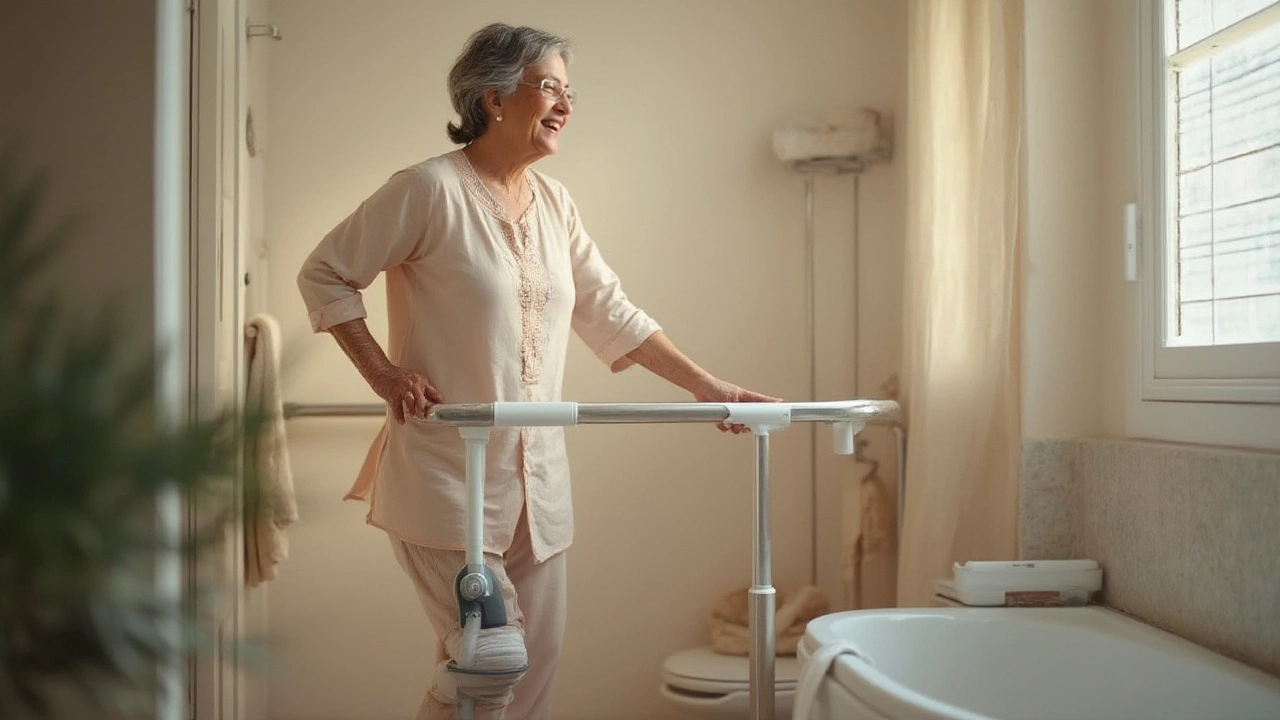
Can You Go to the Bathroom Alone After Knee Surgery? Tips, Truths & Recovery Guide
Find out if you can really use the bathroom by yourself after knee surgery, plus helpful tips, real-life advice, and safety info to make recovery easier and safer.
read more