Pancreatic Cancer: Causes, Risks, and What You Can Do
When we talk about pancreatic cancer, a fast-moving, often silent cancer that starts in the pancreas and spreads quickly before symptoms appear. Also known as the silent killer, it’s one of the most feared cancers because it’s rarely caught early and responds poorly to standard treatments. Unlike breast or skin cancer, there’s no simple screening test. By the time pain, weight loss, or jaundice show up, the disease is often advanced.
This is why deadliest cancers, a group including pancreatic, lung, liver, and ovarian cancers that have the lowest survival rates due to late detection and aggressive biology stand apart. cancer survival rates, the percentage of people alive a certain number of years after diagnosis for pancreatic cancer hover around 12% after five years—far lower than most other cancers. Why? The pancreas hides deep inside the body. Tumors grow without causing pain until they press on nerves or block bile ducts. By then, it’s often too late for surgery.
Some risk factors are well known: smoking, obesity, chronic pancreatitis, and a family history of the disease. But many people with pancreatic cancer had no obvious risks. That’s what makes it so unpredictable. What’s less talked about is how diet and inflammation play a role. Foods that cause long-term inflammation—like processed meats, sugary drinks, and refined carbs—may increase your risk over time. On the flip side, turmeric and other anti-inflammatory foods might help lower it, though they’re not a cure.
Early detection is still the biggest challenge. But new research is looking at blood tests that spot tumor DNA, or changes in blood sugar that signal trouble before symptoms hit. If you’re over 50 and have unexplained weight loss, new-onset diabetes, or persistent belly pain, don’t wait. Push for answers. cancer treatment challenges, the difficulties in treating cancers that resist chemo, spread fast, or lack targeted therapies are real—but awareness and action can change outcomes.
What you’ll find below are real stories, science-backed facts, and honest takes on what matters most when facing this disease. From understanding why it’s so hard to treat, to what lifestyle changes might help, to how people are living longer than expected—these posts cut through the noise. No fluff. No false hope. Just what you need to know.
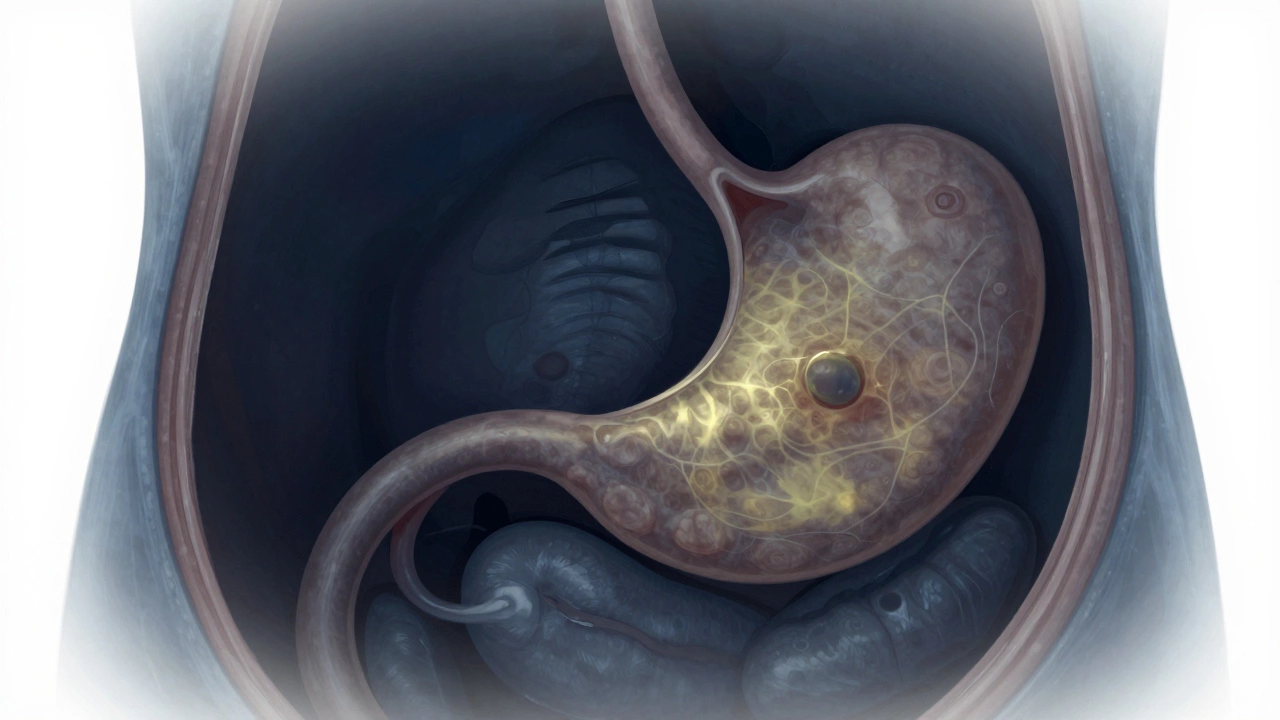
What Are the Top 3 Worst Cancers? Survival Rates, Symptoms, and Why They’re So Deadly
Pancreatic, lung, and ovarian cancers are the deadliest due to late detection and lack of screening. Learn why they’re so dangerous and what steps you can take to catch them early.
read more
Hardest Cancer to Treat: Why Pancreatic Cancer Tops the List
Some cancers fight back no matter what doctors throw at them. This article digs into why pancreatic cancer is known as the toughest to treat, covering what makes it so hard to catch early, how it resists treatment, and what new strategies are in the works. You'll get facts, real numbers, and tips for those going through the toughest cancer battles. No empty promises, just straight talk about the reality of aggressive cancers. The article also shares hope—what’s changing in research and support right now.
read more
Understanding the Fastest Killing Cancer
This article explores the harsh realities of pancreatic cancer, often termed the fastest killing cancer due to its rapid progression. Readers will gain insights into why this cancer is so aggressive and challenging to treat. The article highlights the importance of early detection, discusses the warning signs, and shares tips for lowering risk. It also examines ongoing research and hopes for improved treatments.
read more