
Mental Health Check-In Tool
How to Use This Tool
This tool helps you observe and assess potential mental health concerns based on the five common signs described in the article. It is not a diagnosis tool—only trained professionals can diagnose mental illness.
Check signs that have been occurring for more than two weeks. The more signs you identify, the more important it is to gently check in with the person.
Observation Checklist
People often wonder how to tell if someone is mentally ill-not because they want to label them, but because they care. Maybe you’ve noticed a friend stopping calls. Or a coworker who used to laugh now sits silent at lunch. Maybe your sibling stopped eating, or your parent won’t sleep for days. These aren’t just "off days." They might be signals. And knowing what to look for can make all the difference.
It’s Not About Diagnosis, It’s About Observation
You don’t need to be a therapist to notice when someone’s struggling. Mental illness isn’t a single thing. It’s a range of experiences: depression, anxiety, bipolar disorder, psychosis, PTSD, OCD. Each looks different. But there are patterns that show up again and again. The key is watching for changes-not perfect textbook symptoms, but shifts from who they used to be.
Someone who used to text daily but now goes silent for weeks? That’s a red flag. A person who used to love cooking but now burns every meal? That’s not carelessness. It’s often exhaustion. Mental illness doesn’t always scream. Sometimes it whispers.
Five Common Signs to Watch For
- Withdrawal from people and activities-They stop going out, skip family events, cancel plans last minute, and don’t answer messages. Not because they’re "busy," but because they can’t face the world.
- Extreme mood swings-One day they’re crying over a commercial, the next they’re laughing too loudly at nothing. Or they go from hyper-energetic to completely shut down in hours. This isn’t just being emotional-it’s unstable emotional regulation.
- Changes in sleep or appetite-Sleeping 12 hours a day and still tired? Or not sleeping at all for weeks? Eating nothing or bingeing nonstop? These aren’t lifestyle choices. They’re biological signals that the brain is out of balance.
- Self-harm or talk of hopelessness-Talking about feeling worthless, saying things like "I wish I wasn’t here," or making jokes about dying. Even if they say it "just to be dramatic," take it seriously. People don’t say these things unless they’re in pain.
- Difficulty functioning-They used to manage work, bills, chores. Now they’re late every day, unpaid bills pile up, the house is a mess. It’s not laziness. It’s the brain being overwhelmed.
What Mental Illness Doesn’t Look Like
There’s a lot of misinformation. Mental illness isn’t just being "sad" or "stressed." It’s not being "crazy" or "weird." It’s not when someone is moody after a breakup or anxious before a presentation. Everyone feels those things. The difference is duration, intensity, and impact.
Think of it like a fever. A little temperature rise after exercise? Normal. A fever that lasts two weeks, spikes to 103°F, and makes you unable to stand? That’s a problem. Mental illness works the same way. A bad day? Okay. A week of not leaving bed, not showering, not eating? That’s not normal.
Also, people with mental illness aren’t always obvious. Some hide it well. They smile at work. They post happy photos. They say "I’m fine"-and mean it, because they don’t know how to say otherwise. That’s why you have to look beyond surface behavior.

What You Can Do (Without Being a Therapist)
You don’t need to fix someone. You don’t need to diagnose them. But you can be the person who shows up.
Start with simple things:
- Ask, don’t assume-"I’ve noticed you’ve been quiet lately. Is everything okay?" Not "Are you depressed?" Just check in.
- Listen without fixing-Don’t jump in with advice. Don’t say "Just think positive." Just say, "That sounds really hard." Sometimes that’s enough.
- Offer small, practical help-"Can I bring you food this week?" or "I’ll walk the dog for you." When someone is sinking, chores feel impossible.
- Encourage professional help gently-"There are people who specialize in this. Would you be open to talking to someone?" Offer to help find a therapist or go with them.
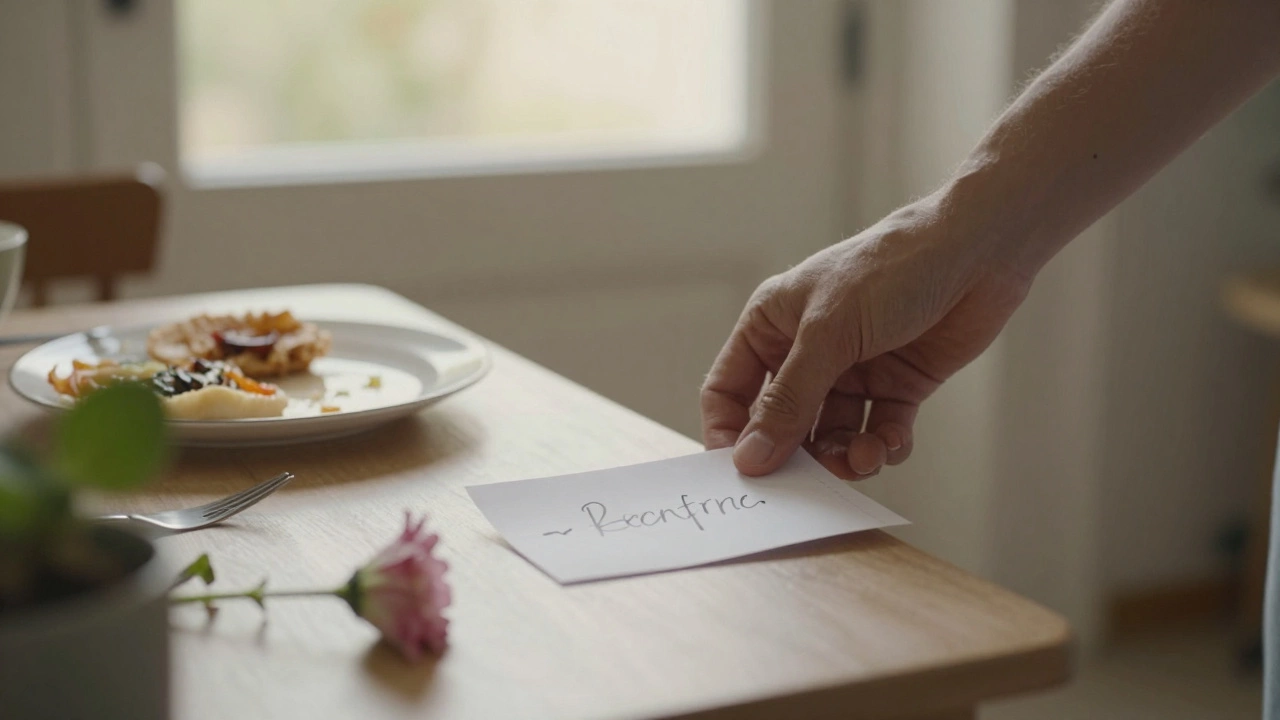
- Stay consistent-One conversation won’t fix anything. Keep checking in. Send a text. Leave a note. Show up-even if they don’t reply.
Why This Matters in India
In India, mental illness is still heavily stigmatized. Many believe it’s a weakness, a spiritual issue, or something you can pray away. But the data doesn’t lie. The National Mental Health Survey of 2016 found that nearly 15% of adults in India have a mental disorder. That’s one in seven people. And less than 10% of them get treatment.
Why? Fear. Shame. Lack of access. Misunderstanding. People are told to "be strong," not to seek help. But strength isn’t silence. Strength is asking for support. And sometimes, that starts with someone noticing and saying, "I see you. I’m here."
When to Worry More
Some signs need urgent attention:
- They talk about suicide, even in passing
- They have a plan or means to harm themselves
- They’re hallucinating or talking about things that aren’t real
- They’ve stopped eating, drinking, or taking medication
- They’re violent or unpredictable
If any of these are true, don’t wait. Contact a mental health professional immediately. In India, you can call Vandrevala Foundation at 9999 666 555 or Tele-MANAS at 8888 111 005. These are free, confidential, and staffed by trained counselors.
It’s Not Your Responsibility to Fix Them
But it is your responsibility to care. You can’t cure someone. You can’t force them to get help. But you can be the light that reminds them they’re not alone. Many people with mental illness say the turning point wasn’t therapy-it was when someone said, "I’m still here. I haven’t left."
That’s powerful. That’s healing. And it starts with noticing.
Can I tell if someone is mentally ill just by how they act?
You can notice warning signs, but you can’t diagnose. Mental illness is diagnosed by trained professionals using clinical guidelines. What you can do is observe changes in behavior, mood, and daily functioning. If someone’s acting out of character for more than two weeks-especially if it’s affecting their work, relationships, or health-it’s worth gently encouraging them to talk to a doctor.
What if they say they’re fine but I’m worried?
Many people with mental illness say they’re fine because they fear judgment, don’t understand what’s happening, or feel too tired to explain. Keep showing up. Say things like, "I’m not asking you to talk. I just want you to know I’m here if you need me." Small, consistent support builds trust over time. Don’t push. Don’t pressure. Just be steady.
Are mood swings always a sign of mental illness?
No. Everyone has mood swings sometimes-after a bad day, during PMS, or when stressed. But if the swings are extreme, happen without reason, last for days or weeks, and interfere with daily life, that’s different. For example, going from crying all day to being hyperactive and reckless in 24 hours could signal bipolar disorder. Context matters. Duration matters. Impact matters.
Can stress cause mental illness?
Stress doesn’t cause mental illness by itself, but it can trigger it in people who are already vulnerable. Genetics, trauma, brain chemistry, and life experiences all play a role. Chronic stress-like financial pressure, caregiving, abuse, or isolation-can push someone over the edge. That’s why managing stress isn’t just about relaxation. It’s a form of mental health care.
What if someone refuses to get help?
You can’t force someone to get help unless they’re a danger to themselves or others. But you can still support them. Keep sharing resources gently. Talk about therapy like you’d talk about going to a physiotherapist for a sprained ankle-normal, helpful, not shameful. Sometimes, people need time. Your patience might be the reason they finally reach out.

Write a comment