Orthopedics in India: Common Conditions, Treatments, and What You Need to Know
When you think of orthopedics, the branch of medicine focused on bones, joints, muscles, and connective tissues. Also known as bone and joint care, it’s one of the most common reasons people visit doctors in India—especially as the population ages and lifestyles shift. Whether it’s a nagging knee ache, a slipped disc, or a fracture from a fall, orthopedics handles it all. In cities like Delhi, Mumbai, and Bangalore, orthopedic clinics are packed with patients over 40, but younger people are showing up too—with sports injuries, poor posture from long hours at desks, and even obesity putting stress on their joints.
One of the biggest concerns in Indian orthopedics is knee replacement, a surgical procedure to replace a damaged knee joint with an artificial one. Also known as total knee arthroplasty, it’s become routine in private hospitals, with over 1.2 million procedures done annually. But many wait too long, letting pain get worse, which makes recovery harder. Delaying surgery can lead to muscle loss, imbalance, and even damage to other joints—something we’ve seen in post-op cases where patients struggled to walk even after the implant. Then there’s joint pain, a broad term covering discomfort in hips, shoulders, wrists, and spine. Often caused by osteoarthritis, rheumatoid arthritis, or overuse, it’s the top reason people avoid walking, climbing stairs, or even holding their grandchildren. Bone health is another silent crisis. Many Indians, especially women after menopause, don’t get enough vitamin D or calcium, leading to brittle bones and fractures from minor falls. This isn’t just about aging—it’s about diet, sun exposure, and lack of movement.
What you’ll find in the posts below aren’t just clinical overviews. They’re real stories and practical advice from people who’ve been through it: the woman who avoided knee surgery for years and what finally pushed her to act, the man who reversed his back pain with simple daily moves, and the family who learned how to help a loved one recover safely after hip replacement. You’ll also see how Ayurveda and modern orthopedics sometimes overlap—like using turmeric for inflammation or knowing when rest beats rushing into surgery. This isn’t just about fixing broken bones. It’s about staying mobile, independent, and pain-free as long as possible.
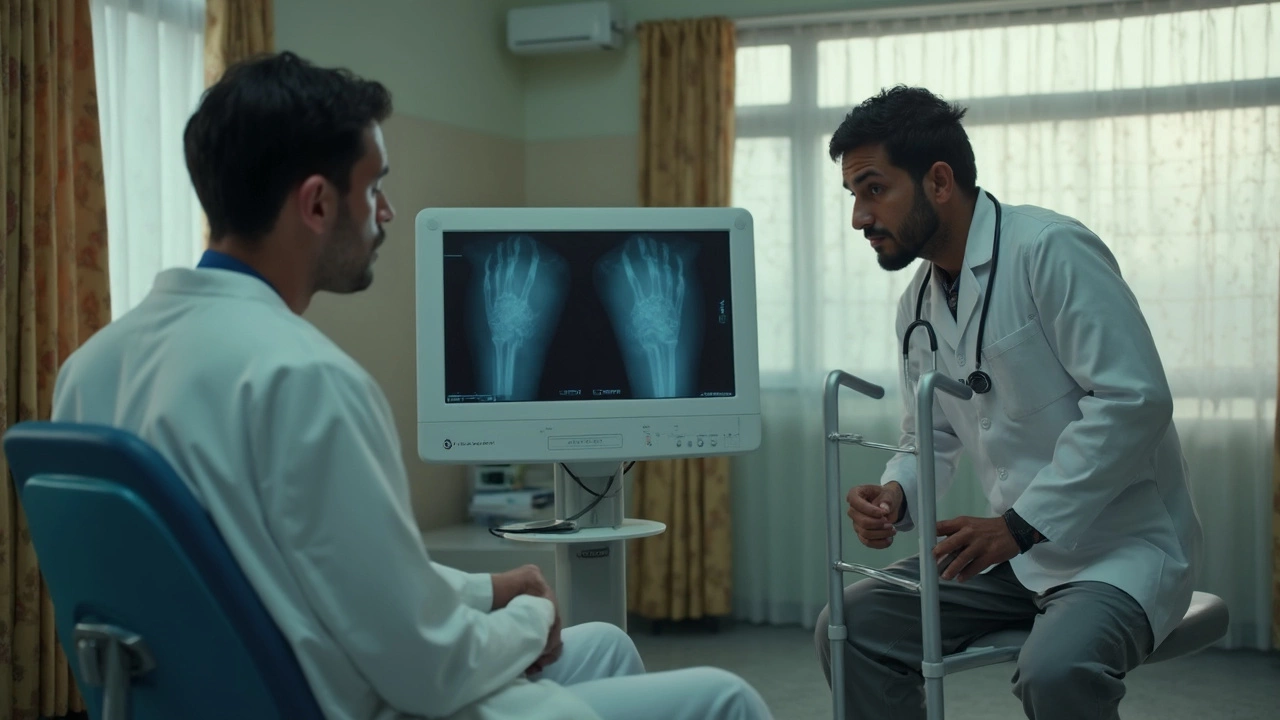
Hardest Bone to Heal: Why the Femur Tops the List
Ever wondered which bone gives doctors the most headaches when it comes to healing? This article digs into the femur, explains why it’s such a challenge, and breaks down what makes healing tough. Tips on recovery, interesting stories, and real-world advice for anyone dealing with tricky bone breaks. Perfect for anyone curious about what happens when bones don’t play nice. No jargon, just clear answers.
read more