Natural Diet: What It Really Means and How It Works in Indian Health Practices
When people talk about a natural diet, a way of eating that focuses on whole, minimally processed foods aligned with the body’s needs. Also known as whole-foods eating, it’s not about strict rules or starving yourself—it’s about letting food do its job: healing, balancing, and fueling. In India, this isn’t a trend. It’s been practiced for thousands of years through systems like Ayurveda, where food isn’t just calories—it’s medicine.
A natural diet, a way of eating that focuses on whole, minimally processed foods aligned with the body’s needs. Also known as whole-foods eating, it’s not about strict rules or starving yourself—it’s about letting food do its job: healing, balancing, and fueling. In India, this isn’t a trend. It’s been practiced for thousands of years through systems like Ayurveda, where food isn’t just calories—it’s medicine.
A Ayurvedic diet, a personalized eating plan based on your body type (dosha) and seasonal rhythms. Also known as dosha-based nutrition, it tells you which foods calm your system and which stir it up. For example, if you’re Vata-dominant, warm, cooked meals with ghee are better than raw salads. If you’re Pitta-dominant, cooling foods like cucumber and coconut help balance heat. This isn’t guesswork—it’s ancient science that still works today. And it’s not just about what you eat—it’s about what you avoid. Ayurveda warns against Viruddha Ahara, food combinations that disrupt digestion and create toxins. Also known as incompatible food pairings, like milk with fruit or fish with dairy. These mix-ups don’t just cause bloating—they can mess with your metabolism long-term.
Then there’s the power of single ingredients. Turmeric, a golden spice with curcumin, proven to reduce inflammation at the cellular level. Also known as haldi, it’s not just for curry—it’s a daily tool for joint pain, gut issues, and even brain health. But it doesn’t work alone. You need black pepper and a little fat to unlock its power. That’s the secret behind why natural diet isn’t just ‘eat clean’—it’s about smart pairing. This is why herbal supplements from trusted brands matter. Not every bottle labeled ‘natural’ is safe. You need GMP-certified products that actually contain what they claim. Many people skip this step and wonder why they don’t feel better.
What makes a natural diet stick isn’t willpower—it’s simplicity. You don’t need expensive superfoods or detox teas. You need consistent habits: eating when you’re hungry, stopping before you’re full, choosing food that feels good in your body. That’s why the Ayurveda first 40 days works. It’s not a crash reset. It’s a gentle return to rhythm—clean eating, mindful meals, quiet mornings. People who try it don’t just lose weight. They sleep better, think clearer, and stop craving sugar.
And it’s not just about the body. A natural diet connects to your mental state. If you’re stressed, your digestion suffers. If you’re tired, you reach for junk. That’s why the best natural diet includes rest, breathing, and emotional awareness. It’s why the 3-3-3 rule for anxiety works alongside turmeric tea. One doesn’t replace the other—they support each other.
What you’ll find in these posts isn’t a list of ‘best foods.’ It’s real stories from people who changed how they eat—not by following a celebrity diet, but by listening to their own body. You’ll see how a simple switch in food combinations reduced chronic pain. How someone reversed prediabetes with Ayurvedic meals. How herbal supplements helped someone sleep without pills. These aren’t outliers. They’re examples of what happens when you stop chasing quick fixes and start eating like your body was meant to.
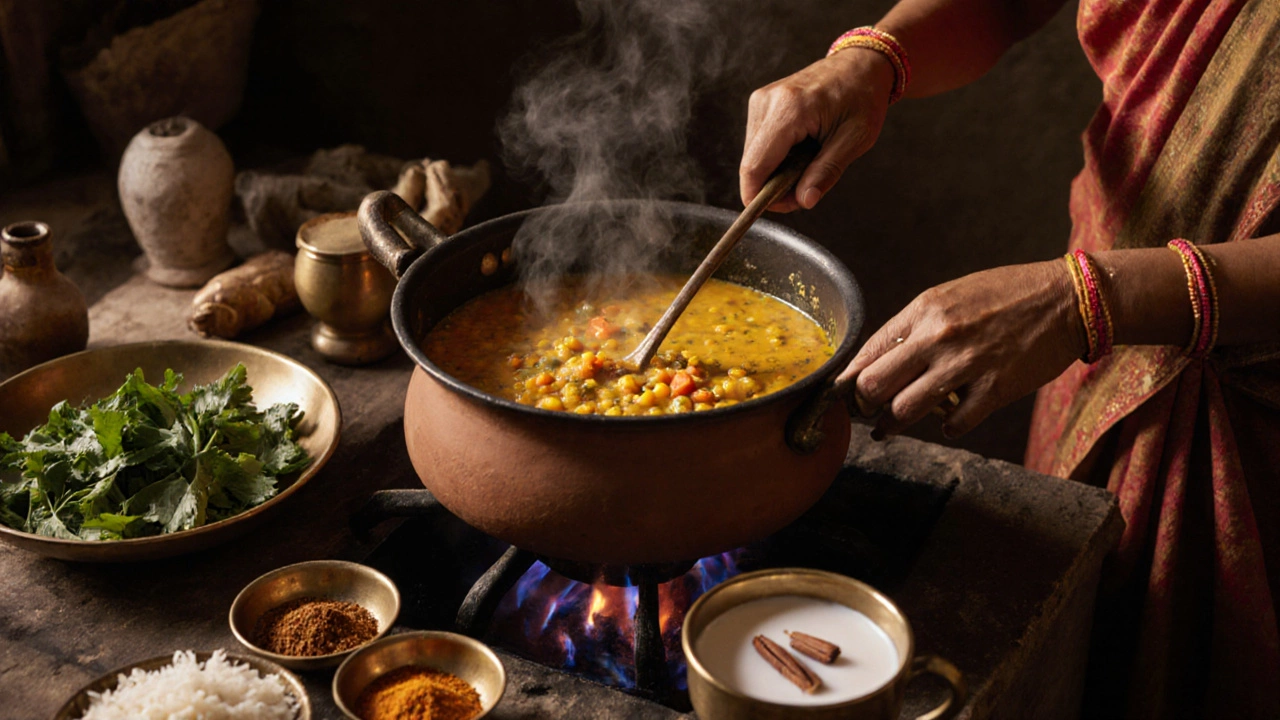
What is an Ayurvedic diet? A simple guide to eating by your body type
An Ayurvedic diet is a personalized eating plan based on your body type (dosha) to improve digestion, energy, and balance. It uses whole foods, spices, and mindful eating habits rooted in 5,000-year-old Indian medicine.
read more