Country with Most Illnesses: What Causes High Disease Burden and Where It Happens
When we talk about the country with most illnesses, a nation facing the highest combined burden of infectious and chronic diseases due to systemic health, economic, and environmental factors, we’re not just looking at numbers — we’re looking at people without clean water, families without access to vaccines, and communities where diabetes and heart disease go untreated because doctors are miles away. This isn’t about ranking nations by shame — it’s about understanding the real conditions that turn preventable illnesses into widespread crises.
The disease burden, the total impact of a health problem measured in years of life lost or lived with disability is highest in low- and middle-income countries, especially in parts of sub-Saharan Africa and South Asia. Places like the Central African Republic, Chad, and Afghanistan see high rates of malaria, tuberculosis, and diarrheal diseases — all tied to lack of clean water, weak health systems, and malnutrition. At the same time, countries like India and Indonesia are seeing a sharp rise in non-communicable diseases, chronic conditions like diabetes, heart disease, and cancer that aren’t passed from person to person. These aren’t just old-age problems anymore — they’re hitting people in their 30s and 40s, often because of poor diet, pollution, and no access to early screening.
It’s not one single cause. It’s the mix: a child in rural India gets sick from dirty water, then later develops type 2 diabetes from eating cheap, processed food because fresh vegetables cost too much. An elderly person in Nigeria can’t afford insulin, so their diabetes leads to kidney failure. Meanwhile, air pollution in cities like Delhi turns asthma into a daily battle. These aren’t isolated stories — they’re patterns repeated across millions of lives. And while high-income countries have better tools to manage illness, they’re not immune — aging populations and sedentary lifestyles are pushing their own disease burdens higher.
What you’ll find in the posts below isn’t a list of rankings. It’s a look at how illness shows up in real life — from the country with most illnesses to how people fight back with diet, medicine, and community action. You’ll read about how turmeric fights inflammation, how metformin helps control diabetes, and why delaying knee surgery can make things worse. These aren’t just medical facts — they’re survival strategies used by people in places where healthcare is scarce. What matters isn’t just where you live — it’s what you know, and what you can do with what you have.
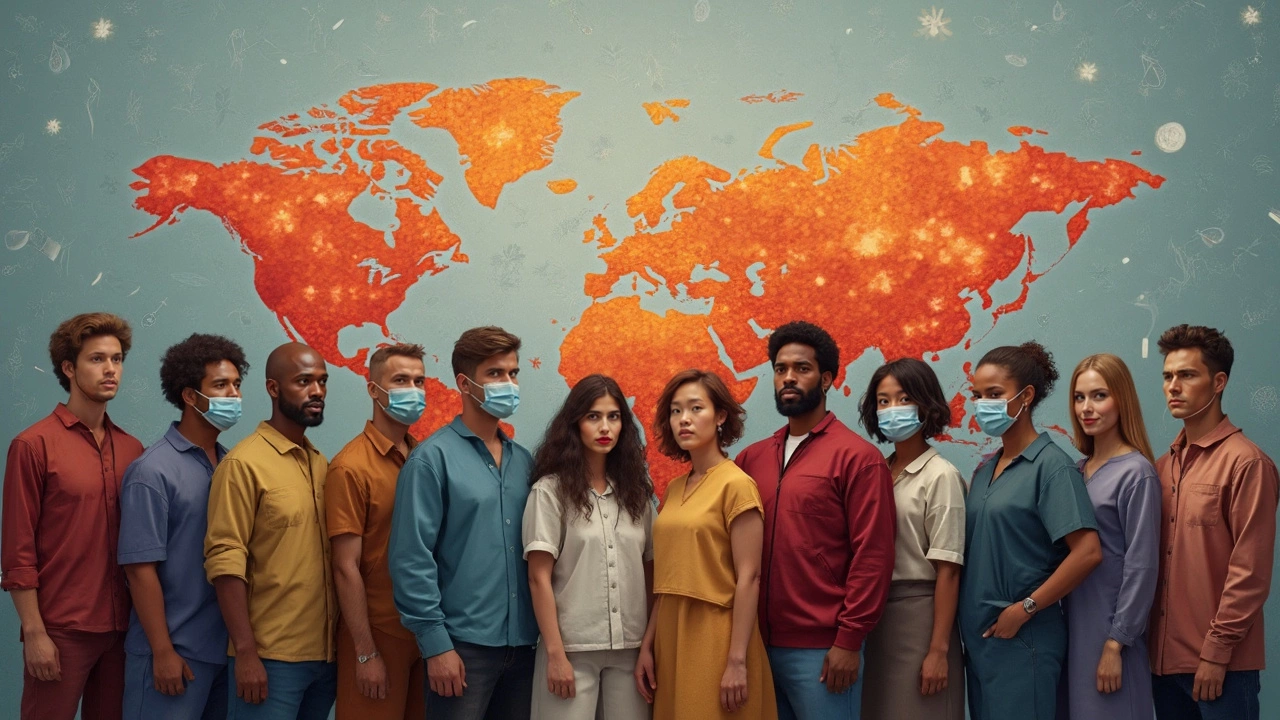
Which Country Faces the Highest Illness Rates? Insights & Global Health Comparisons
Explore which country gets sick the most, why illness rates are high, and how specific countries compare. Learn useful health facts and real statistics about global disease burden.
read more