Bathroom Safety After Surgery
When you’re recovering from surgery, your bathroom, the most dangerous room in the house during recovery. Also known as post-operative hazard zone, it’s where slips, falls, and overexertion can undo weeks of healing. Simple things like wet tiles, high tubs, or missing grab bars turn everyday tasks into risks. Over 80% of home injuries after surgery happen in the bathroom, according to hospital discharge data—most of them preventable.
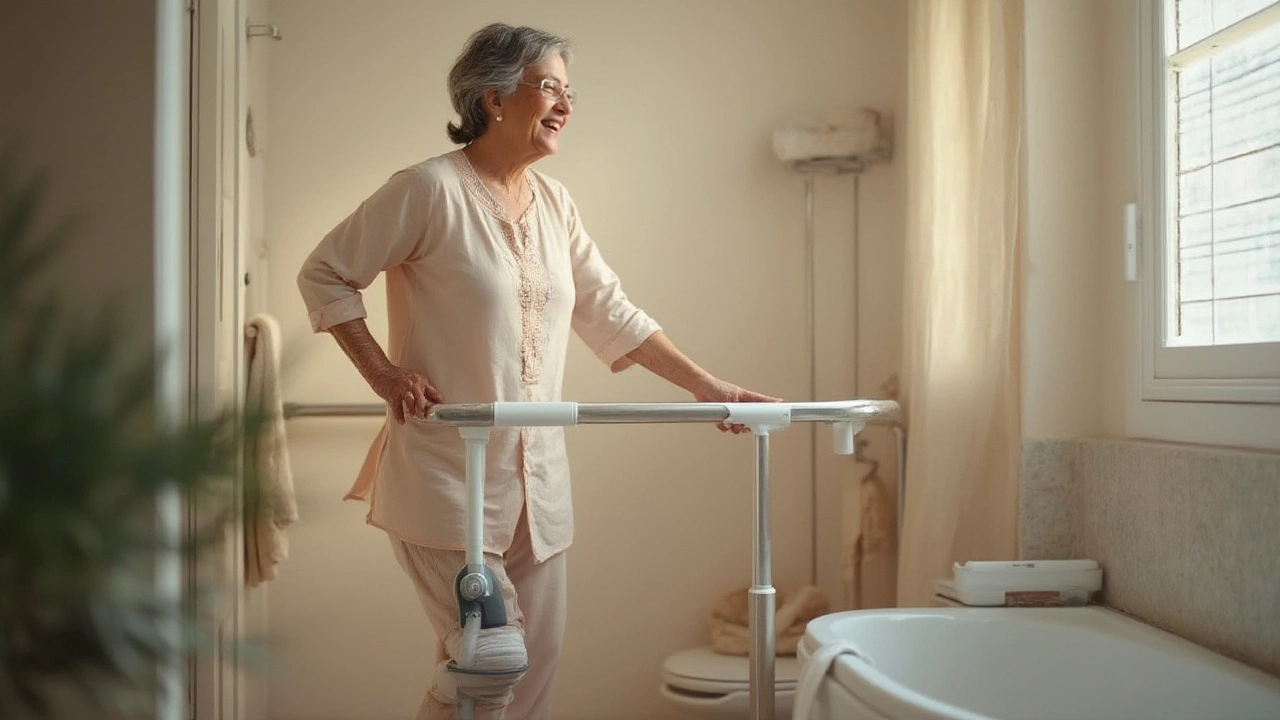
Recovery isn’t just about taking pills or resting. It’s about reshaping your space to match your body’s new limits. mobility aids, tools like shower chairs, raised toilet seats, and handheld showerheads aren’t luxuries—they’re lifelines. If you had hip or knee surgery, standing for more than 30 seconds might leave you dizzy. If you had heart surgery, bending over to tie shoes could spike your blood pressure. That’s why fall prevention, a structured approach to removing trip hazards and adding support matters more than you think. It’s not about being old or weak. It’s about being smart.
What You Actually Need in Your Bathroom
You don’t need a full renovation. Start with three things: grip, height, and space. Install non-slip mats inside and outside the shower—stick-on ones work fine. A raised toilet seat cuts down on leg strain by up to 70%. A shower chair lets you sit while washing, avoiding fatigue and dizziness. Keep your phone, towel, and soap within arm’s reach. No more reaching or stretching. That’s how most falls start.
Lighting matters too. Night lights near the toilet and along the path from bed to bathroom reduce disorientation, especially if you’re on pain meds. Remove rugs. They roll. They slide. They’re silent killers. If you use a walker or cane, make sure there’s 3 feet of clear space around the toilet and shower. You’ll thank yourself when you’re not wrestling with a door handle or struggling to turn.
Some people think, "I’m young, I’ll be fine." But surgery changes your balance, strength, and reaction time—even if you feel okay. One misstep, one slippery spot, and you could end up back in the hospital. That’s why bathroom safety isn’t optional. It’s part of your treatment plan.
Below, you’ll find real-life guides from people who’ve been through it—how they set up their bathrooms after open heart surgery, joint replacements, and cancer treatments. No fluff. No theory. Just what worked, what didn’t, and what saved them from another injury.
Can You Go to the Bathroom Alone After Knee Surgery? Tips, Truths & Recovery Guide
Find out if you can really use the bathroom by yourself after knee surgery, plus helpful tips, real-life advice, and safety info to make recovery easier and safer.
read more