Cancer: Understanding the Most Common Types, Treatments, and Survival Rates
When we talk about cancer, a group of diseases where cells divide uncontrollably and spread to other parts of the body. Also known as malignant tumors, it’s not one illness—it’s hundreds, each with different causes, behaviors, and outcomes. In India, cancer is rising fast, not just because people are living longer, but because lifestyle changes, pollution, and delayed screenings are making early detection harder.
carcinomas, the most common type of cancer, starting in the skin or tissue lining organs like the lungs, breast, or colon, make up about 90% of all cases. That’s why so many of the stories you hear—about lung cancer from smoking, breast cancer from genetics, or colon cancer from diet—are all carcinomas. Then there’s pancreatic cancer, a rare but deadly form that often shows no symptoms until it’s too late. It’s not the most common, but it’s the most feared because it spreads fast and resists treatment. And that’s why survival rates for pancreatic cancer are so low compared to, say, thyroid or prostate cancer, which are often caught early and treated successfully.
Cancer treatment isn’t one-size-fits-all. cancer treatment, includes surgery, chemotherapy, radiation, immunotherapy, and targeted drugs, and doctors pick based on type, stage, age, and overall health. Chemo might help someone with stage 4 cancer live longer—but not always. Sometimes, comfort care is the better choice. Survival isn’t just about medicine. It’s about catching it early, eating right, staying active, and knowing the warning signs. A lot of people think if you survive five years, you’re cured. But remission doesn’t always mean gone for good. Some cancers come back. Others don’t. It’s messy. It’s personal. And it’s not just about numbers—it’s about real lives.
What you’ll find below isn’t just a list of articles. It’s a clear-eyed look at what actually matters: which cancers kill fastest, why some are treatable and others aren’t, whether chemo is worth the suffering, and what real survival looks like today. No hype. No false hope. Just facts, numbers, and straight talk from people who’ve been through it.
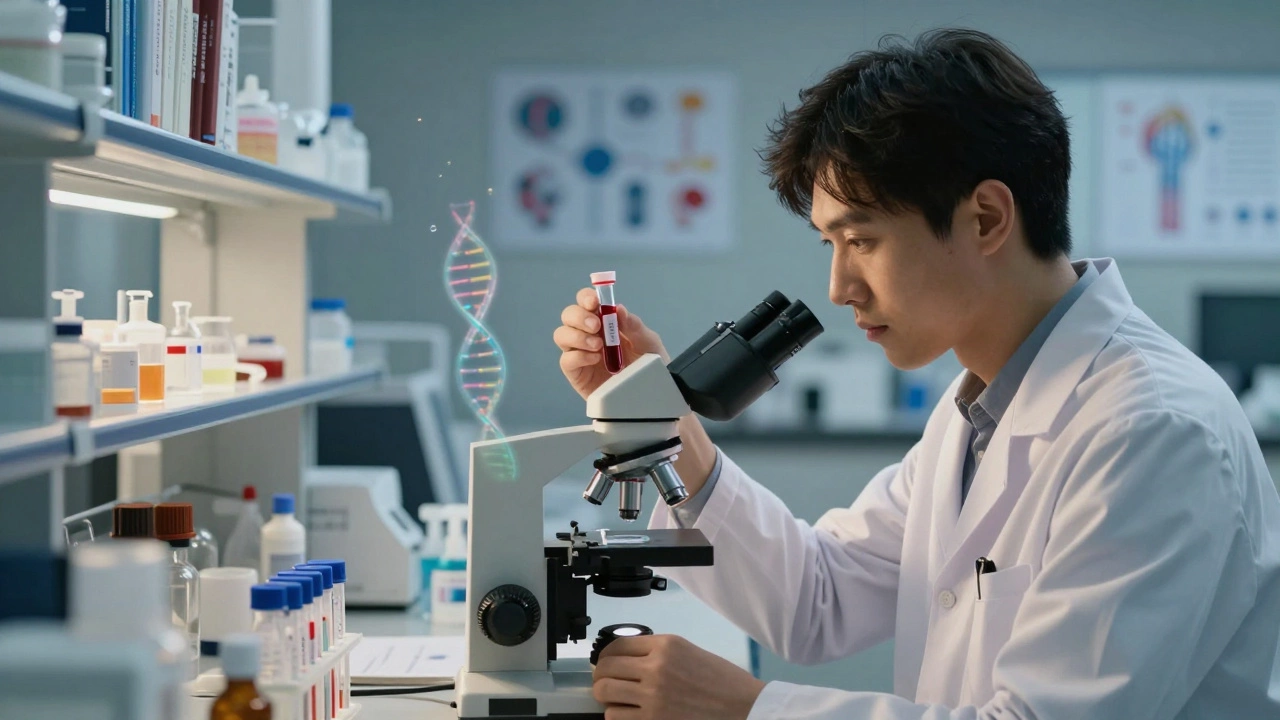
Can You Fully Beat Cancer? The Realistic Truth About Cure, Remission, and Long-Term Survival
Can you fully beat cancer? The answer isn't simple. Some cancers can be cured, others become chronic. Learn what remission really means, why cancer returns, and how new treatments are changing survival rates.
read more
Is There Stage 5 Cancer? Understanding Cancer Staging Systems
No, there's no such thing as stage 5 cancer. Learn how cancer staging works from stage 0 to 4, why stage 5 doesn't exist, and common misconceptions. Get clear facts about cancer progression and treatment options.
read more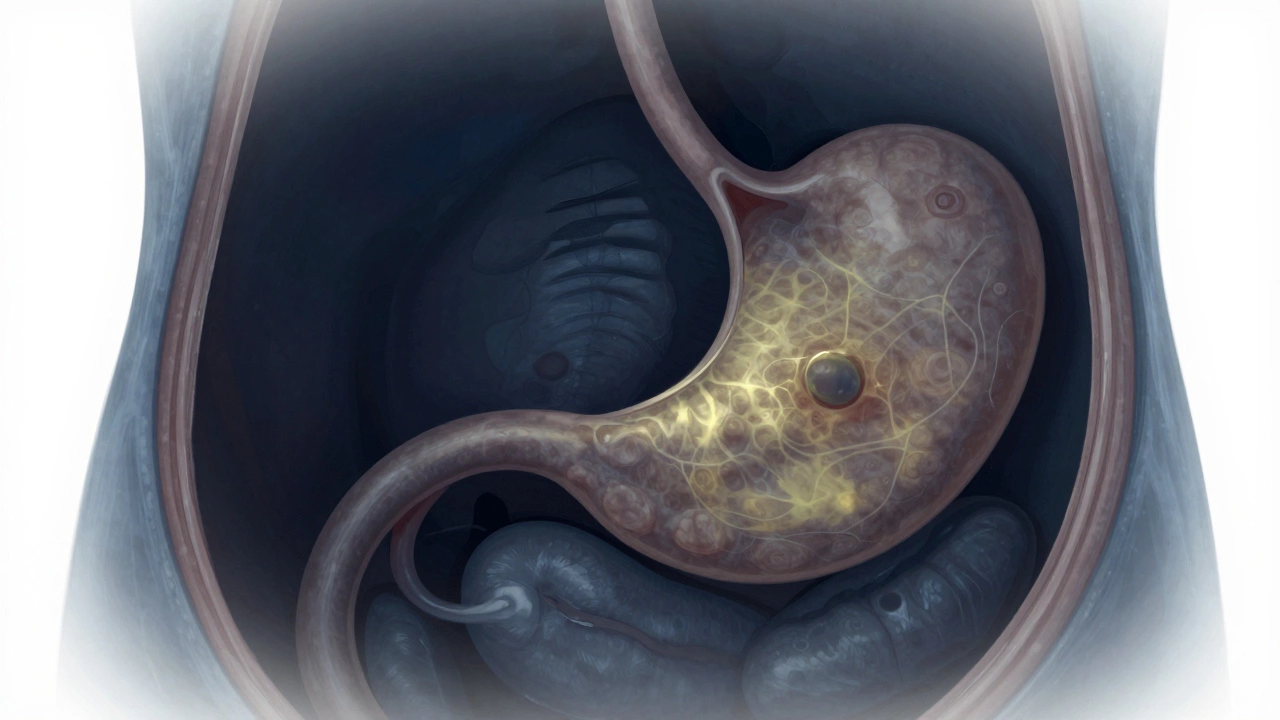
What Are the Top 3 Worst Cancers? Survival Rates, Symptoms, and Why They’re So Deadly
Pancreatic, lung, and ovarian cancers are the deadliest due to late detection and lack of screening. Learn why they’re so dangerous and what steps you can take to catch them early.
read more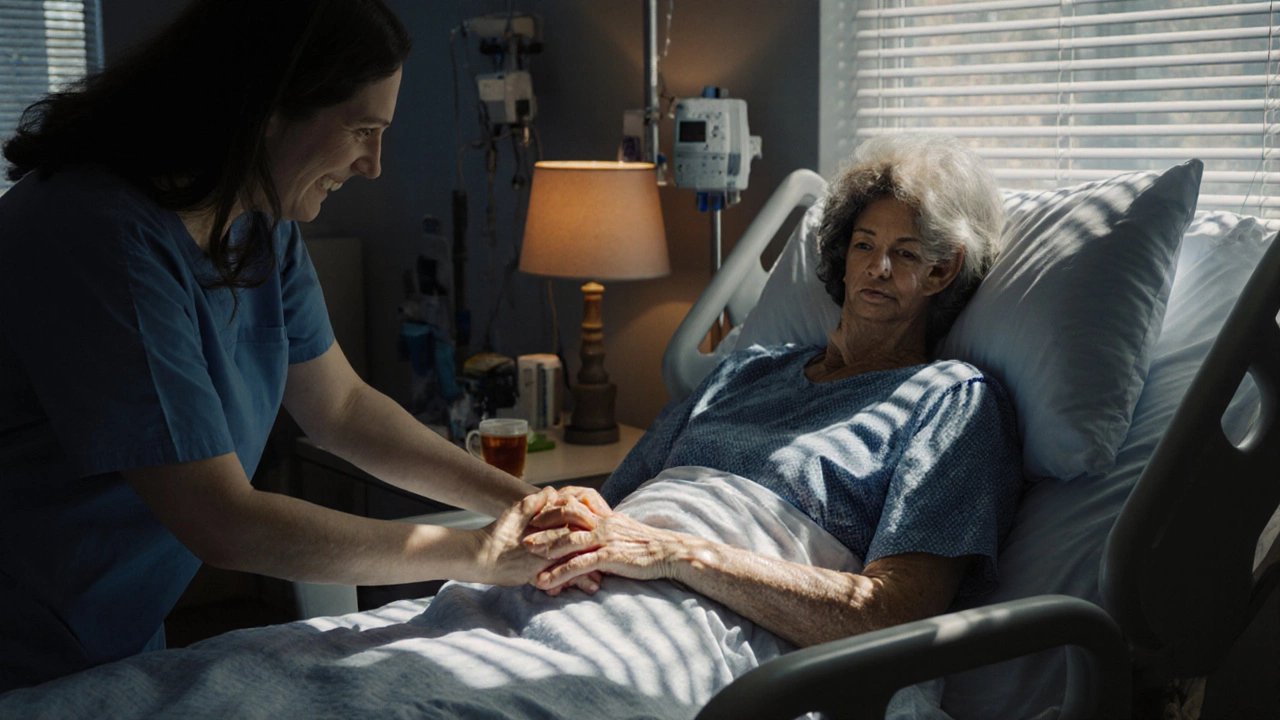
Why Can't You Touch a Chemo Patient? Simple Rules for Safety and Support
You can't touch a chemo patient without understanding the risks. Learn why simple contact can be dangerous-and how to support them safely with love, not risk.
read more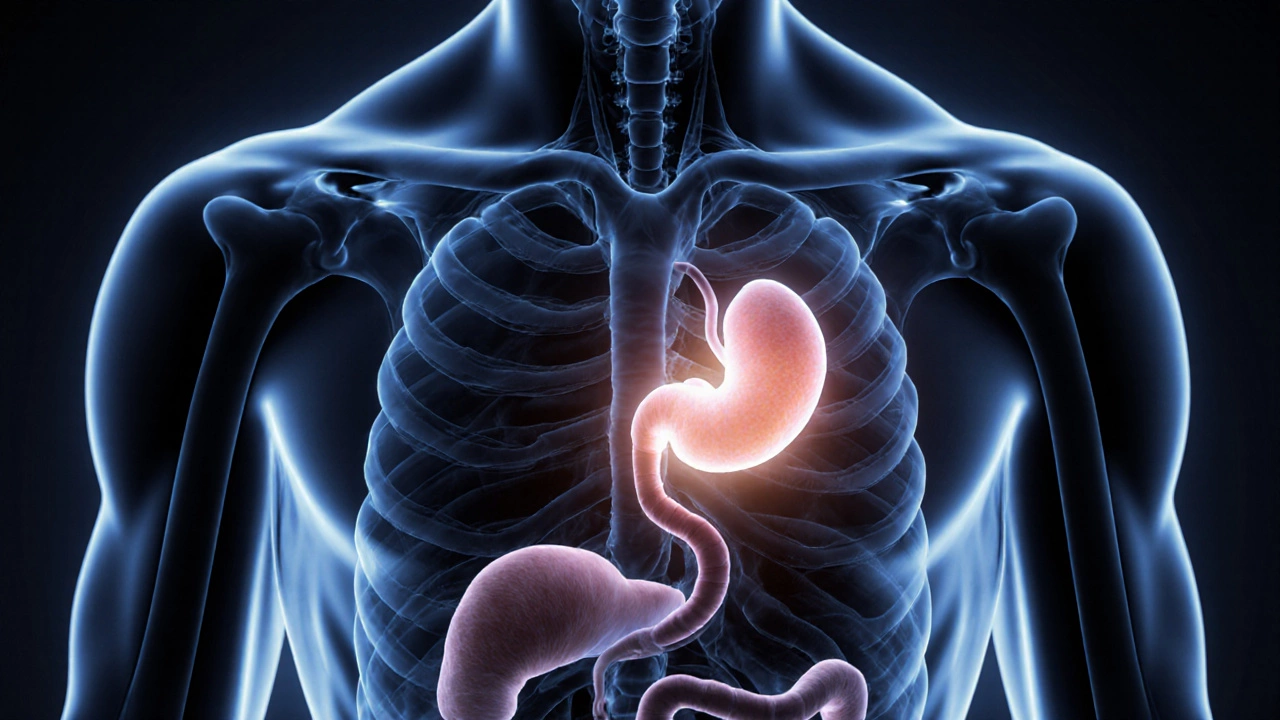
What Are the Deadliest Cancers and Why They’re So Hard to Treat?
Pancreatic, lung, liver, esophageal, and ovarian cancers are the deadliest due to late detection and poor treatment options. Learn why they're so dangerous and what you can do to reduce your risk.
read more
How Long Can Someone Live With Cancer? Real Survival Rates and What Matters Most
How long someone lives with cancer depends on type, stage, age, and treatment. Many live years-or decades-with modern care. Early detection and lifestyle matter as much as medicine.
read more
Which Cancer Is the Most Feared? Rankings, Risks, and Survival
Explore why pancreatic cancer tops the fear list, compare it with lung, brain, breast, and colon cancers, and learn steps to reduce anxiety and risk.
read more
Chemo for Stage4 Cancer: Benefits, Risks & Is It Worth It?
Explore whether chemotherapy truly benefits stage4 cancer patients, weighing survival data, side effects, palliative options, and practical decision‑making tips.
read more
Hardest Cancer to Treat: Why Pancreatic Cancer Tops the List
Some cancers fight back no matter what doctors throw at them. This article digs into why pancreatic cancer is known as the toughest to treat, covering what makes it so hard to catch early, how it resists treatment, and what new strategies are in the works. You'll get facts, real numbers, and tips for those going through the toughest cancer battles. No empty promises, just straight talk about the reality of aggressive cancers. The article also shares hope—what’s changing in research and support right now.
read more
Can You 100% Recover from Cancer? What Science Really Says
This article digs into the real chances of fully recovering from cancer. It explains what remission actually means, how modern treatments work, and why the idea of being 100% 'cured' can be complicated. You'll find out about survival stats, the reality of long-term monitoring, and what makes some cancers more likely to come back than others. No sugarcoating—just honest facts and helpful advice for anyone dealing with a cancer diagnosis.
read more
Understanding Carcinomas: The Most Common Type of Cancer
Carcinomas are the most prevalent type of cancer, making up about 90% of all cases. These cancers begin in the epithelial cells that line organs and skin, affecting areas like the lungs, breasts, and colon. Knowing how carcinomas develop and spread is crucial, and advances in treatment mean that early detection often leads to successful outcomes. This article explores what carcinomas are, why they are so common, and practical steps for prevention and management.
read more
Understanding the Fastest Killing Cancer
This article explores the harsh realities of pancreatic cancer, often termed the fastest killing cancer due to its rapid progression. Readers will gain insights into why this cancer is so aggressive and challenging to treat. The article highlights the importance of early detection, discusses the warning signs, and shares tips for lowering risk. It also examines ongoing research and hopes for improved treatments.
read more