Diabetes Medication Weight Loss Calculator
Find Your Best Weight-Loss Medication
Answer a few questions to see which diabetes medications may support your weight loss goals based on current medical evidence.
Living with diabetes often means juggling two major goals: keeping your blood sugar in check and managing your weight. It feels like a double-edged sword because some treatments that fix one problem seem to worsen the other. You might be wondering why certain pills make you gain pounds while others help you shed them. The truth is, not all diabetic medications are created equal when it comes to your waistline. Some are notorious for adding weight, while others are now famous for helping patients lose significant amounts without strict dieting.
If you are looking for the right prescription, understanding the mechanism behind each drug is crucial. This isn't just about lowering glucose numbers; it is about finding a treatment plan that supports your overall health goals. By 2026, the landscape of diabetes care has shifted dramatically, offering more options than ever before for weight management alongside glucose control. Let's break down exactly which drugs work, how they function, and what you need to discuss with your doctor.
The Weight-Loss Champions: GLP-1 Agonists
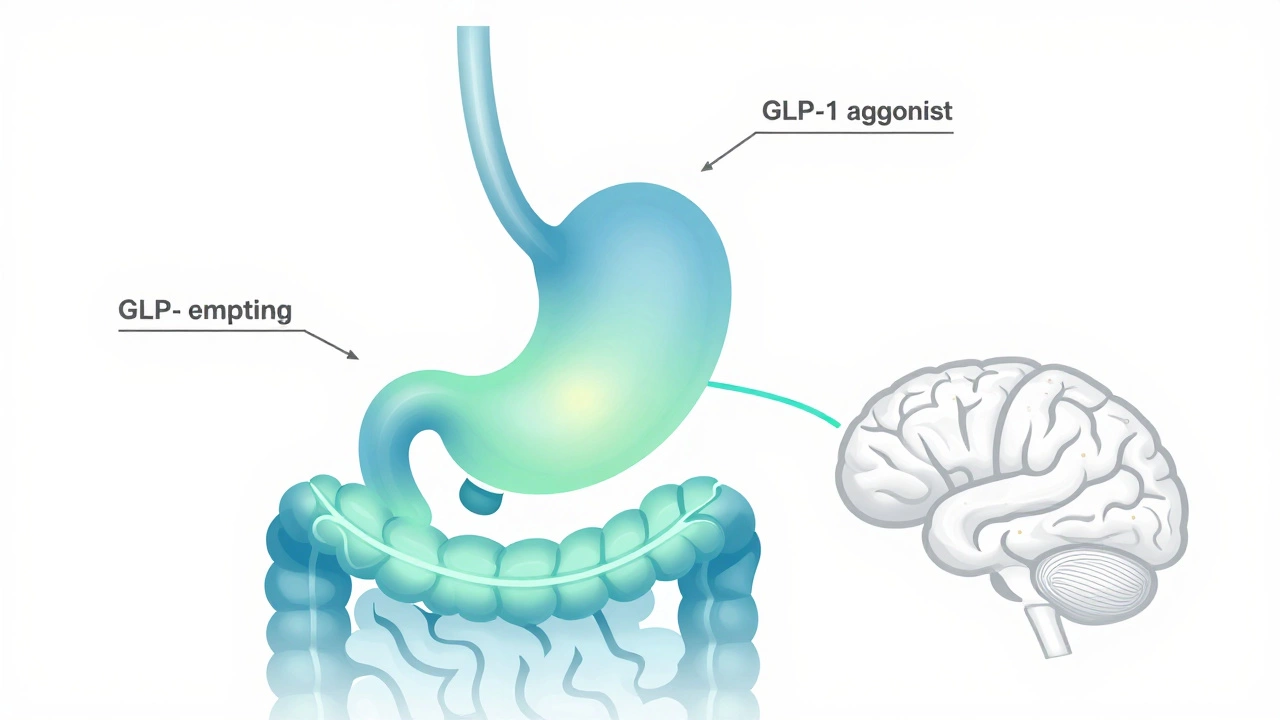
When people talk about diabetes drugs that cause weight loss, they are almost always referring to a class called GLP-1 Receptor Agonists injectable medications that mimic a hormone called glucagon-like peptide-1 to regulate blood sugar and appetite. These drugs have revolutionized treatment in the last few years. They work by slowing down how fast your stomach empties and sending signals to your brain that you are full. This dual action helps you eat less naturally, leading to weight loss.
The most well-known drug in this category is Semaglutide a GLP-1 agonist available under brand names like Ozempic and Wegovy for diabetes and weight management. Originally approved for diabetes under the brand name Ozempic, it gained massive popularity for its weight loss effects. In 2026, it remains a top choice for patients. Studies consistently show that patients using Semaglutide can lose between 15% to 20% of their body weight over a year, depending on the dosage and lifestyle changes. It is important to note that while Ozempic is prescribed for diabetes, the same molecule is sold as Wegovy specifically for weight management, though doctors often prescribe them off-label depending on insurance coverage.
Another powerful contender is Tirzepatide a dual GIP and GLP-1 receptor agonist marketed as Mounjaro for diabetes and Zepbound for weight loss. Approved for diabetes as Mounjaro, this medication works on two hormone pathways instead of one. Clinical trials have shown it can be even more effective than Semaglutide for some patients, with some individuals losing over 20% of their body weight. If your primary goal is significant weight reduction alongside blood sugar control, this is often the first option specialists consider now. The injection is usually once a week, which adds to its convenience compared to daily pills.
The Urine Sugar Option: SGLT2 Inhibitors
While GLP-1s are injectables, there is a class of oral pills that also supports weight loss called SGLT2 Inhibitors oral diabetes medications that cause the kidneys to remove sugar from the body through urine. These drugs work differently than the injectables. Instead of affecting your brain or stomach, they target your kidneys. They prevent your kidneys from reabsorbing sugar back into your bloodstream. Instead, that excess sugar is flushed out through your urine.
Because sugar contains calories, flushing it out means you are essentially excreting calories. This leads to a modest but consistent weight loss. Common medications in this group include Empagliflozin an SGLT2 inhibitor brand name known as Jardiance and Dapagliflozin an SGLT2 inhibitor brand name known as Farxiga. Patients typically lose about 2 to 5 kilograms over the first year. It might not sound like much compared to the injectables, but for someone who has struggled with weight stability, this is a significant benefit. Additionally, these drugs offer heart and kidney protection, which is vital for long-term diabetes management.
One thing to watch out for with SGLT2 inhibitors is the increased risk of urinary tract infections. Since you are putting sugar in your urine, bacteria can thrive. Staying hydrated and practicing good hygiene are essential if you choose this path. Despite the minor risk, the cardiovascular benefits often outweigh the downsides for patients with heart conditions.
The Old Guard: Does Metformin Help?
You cannot talk about diabetes without mentioning Metformin a first-line oral medication for Type 2 diabetes that lowers blood sugar production in the liver. It has been the standard treatment for decades. Many people assume Metformin causes weight loss because it is the go-to prescription. The reality is more nuanced. Metformin is weight-neutral for most people. It does not cause the weight gain seen with insulin, which is a plus.
Some studies suggest a slight weight loss of about 1 to 2 kilograms, but it is not the primary effect. It works by reducing the amount of glucose your liver releases and helping your body respond better to insulin. If you are just starting treatment, your doctor will likely start you here. It is cheap, effective, and safe. However, if your main goal is aggressive weight loss, Metformin alone probably won't get you there. It is often used in combination with the newer drugs mentioned above to maximize benefits.
Medications That Cause Weight Gain
Knowing what helps is only half the battle; you also need to know what to avoid if weight loss is your priority. Certain older classes of diabetic medications are known to cause weight gain. The most notable culprits are Sulfonylureas a class of oral diabetes drugs that stimulate the pancreas to release more insulin and Insulin Therapy hormone replacement treatment used when the body cannot produce enough insulin.
Sulfonylureas, like Glipizide or Glimepiride, force your pancreas to pump out more insulin. High insulin levels signal your body to store fat. This can lead to gaining several pounds over time. Similarly, while Insulin is life-saving for many, it is anabolic, meaning it promotes storage. When you inject insulin, your body is better able to use the food you eat, but if you don't adjust your diet, the excess energy gets stored as fat. If you are on these medications and struggling with weight, ask your doctor if you can switch to a GLP-1 or SGLT2 inhibitor. It is often possible to reduce insulin doses when adding these newer agents.
Comparison of Diabetic Medications and Weight Impact
To make the choice clearer, here is a breakdown of how these common medications stack up against each other regarding weight effects and administration.
| Medication Class | Example Drugs | Weight Effect | Administration | Primary Mechanism |
|---|---|---|---|---|
| GLP-1 Agonists | Semaglutide, Tirzepatide | Significant Loss (5-20%) | Weekly Injection | Slows stomach, reduces appetite |
| SGLT2 Inhibitors | Empagliflozin, Dapagliflozin | Modest Loss (2-5 kg) | Daily Pill | Excretes sugar in urine |
| Metformin | Metformin | Neutral or Slight Loss | Daily Pill | Reduces liver glucose |
| Sulfonylureas | Glipizide, Glimepiride | Weight Gain | Daily Pill | Stimulates insulin release |
| Insulin | Lantus, Humalog | Weight Gain | Daily Injection | Replaces missing hormone |

Safety, Side Effects, and Contraindications
Before you rush to ask for a specific prescription, you need to understand the side effects. The weight-loss drugs are powerful, but they are not without risks. The most common complaint with GLP-1 agonists is gastrointestinal distress. Nausea, vomiting, and diarrhea are very common when you first start. It usually settles down after a few weeks as your body adjusts. However, for some, it can be severe enough to stop treatment.
There are also rare but serious risks. Pancreatitis has been reported with GLP-1s. There is also a concern about thyroid C-cell tumors, which is why these drugs are not recommended for people with a personal or family history of medullary thyroid cancer. SGLT2 inhibitors carry a risk of euglycemic diabetic ketoacidosis, a dangerous condition where your blood sugar isn't high, but your body is still in a state of acidosis. It is rare, but you need to know the symptoms.
Insurance coverage is another major hurdle in 2026. While these drugs are standard of care, not all insurance plans cover them for weight loss purposes. They might cover Ozempic for diabetes but not Wegovy for weight. This distinction can be confusing and frustrating. You may need to work with your doctor to get prior authorization, proving that weight loss is medically necessary for your diabetes management.
How to Talk to Your Doctor
Having a conversation with your healthcare provider is the most important step. Do not demand a specific drug by name. Instead, discuss your goals. Tell them, "I am concerned about my weight gain and want a medication that supports weight loss while managing my blood sugar." This opens a dialogue rather than a confrontation.
Bring your history. If you have tried Metformin and it didn't work, say so. If you have kidney issues, mention that, as it affects which SGLT2 inhibitors are safe. Ask about the cost. Ask about the injection process if you are needle-phobic. Ask about the timeline for results. Weight loss with these drugs is not overnight. It takes months to see the full effect. Patience is key.
Remember, medication is a tool, not a magic wand. The drugs work best when combined with healthy eating and regular movement. If you continue to eat high-calorie processed foods while on Semaglutide, the weight loss will plateau. The medication lowers your appetite, but you still need to make nutritious choices when you do eat.
Next Steps and Troubleshooting
If you are currently on a medication that causes weight gain, do not stop taking it abruptly. Sudden changes in diabetes medication can lead to dangerous spikes in blood sugar. Schedule an appointment to discuss a transition plan. Your doctor might taper off the old medication while slowly introducing the new one to monitor your levels.
If you experience severe side effects, contact your clinic immediately. Sometimes a lower starting dose helps. For example, starting Semaglutide at 0.25 mg instead of 0.5 mg can reduce nausea. If one drug doesn't work, there are others in the same class. Tirzepatide might work where Semaglutide failed, or vice versa. Every body chemistry is different.
Keep a log of your weight and blood sugar readings. This data is invaluable for your doctor to see what is working. If you lose weight but your sugar stays high, the dose might need adjustment. If your sugar drops too low, you might need to reduce the medication. Monitoring helps fine-tune the treatment for your specific needs.
Can I take Semaglutide if I only have prediabetes?
Semaglutide is FDA-approved for Type 2 Diabetes. However, the higher dose version (Wegovy) is approved for weight management in adults with obesity or overweight with weight-related conditions. Prediabetes patients with obesity may qualify for Wegovy, but it depends on your BMI and medical history. Consult your doctor to see if you meet the criteria.
Will I gain the weight back if I stop the medication?
Studies show that most people regain a significant portion of the lost weight after stopping GLP-1 medications. These drugs manage the biological drive to eat, but they do not permanently cure the underlying metabolic issues. Long-term use is often required to maintain weight loss, similar to how you take blood pressure medication long-term.
Are there any pills for weight loss in diabetes besides injections?
Yes, SGLT2 inhibitors like Empagliflozin are pills that help with modest weight loss. Metformin is also a pill that is weight-neutral. Currently, there are no oral GLP-1 agonists widely approved for significant weight loss in 2026, though research is ongoing. Injections remain the most effective option for substantial weight reduction.
How much does it cost to get these medications?
Costs vary widely based on insurance. Without insurance, GLP-1 injections can cost over $1,000 per month. Many manufacturers offer savings cards that can reduce this significantly. Insurance coverage depends on whether the drug is prescribed for diabetes or weight loss. Some plans cover it for diabetes but not for weight management alone.
Is Tirzepatide better than Semaglutide for weight loss?
Clinical trials suggest Tirzepatide may lead to slightly greater weight loss than Semaglutide because it targets two hormone pathways. However, individual results vary. Some patients tolerate Semaglutide better due to fewer side effects. Your doctor can help decide which is safer and more effective for your specific health profile.

Write a comment