Worst Cancers: What They Are, Why They’re Deadly, and What You Can Do
When people talk about the worst cancers, types of cancer with the lowest survival rates and highest mortality. Also known as deadly cancers, these are the ones that spread fast, show up late, and resist treatment. Not all cancers are the same. Some grow slowly and respond well to surgery or chemo. Others? They’re quiet killers.
The pancreatic cancer, a tumor that forms in the pancreas and often spreads before symptoms appear tops the list because it’s rarely caught early. By the time someone feels pain or loses weight, it’s often stage 3 or 4. Then there’s lung cancer, the leading cause of cancer death worldwide, often tied to smoking but also found in non-smokers due to air pollution or genetics. Brain cancer, ovarian cancer, and liver cancer follow close behind—each with unique challenges in detection and treatment. These cancers don’t just hurt; they silence people before they can ask for help.
What makes these cancers so dangerous isn’t just how aggressive they are—it’s how little warning they give. Unlike breast or skin cancer, where lumps or spots are visible, pancreatic and lung cancers hide inside the body. By the time symptoms show up, the cancer has often moved to other organs. That’s why survival rates drop so fast. Stage 4 cancer, for example, means the disease has spread beyond its origin. Chemo might extend life by months, not years. But even then, it’s not a cure. Many patients face tough choices: aggressive treatment with harsh side effects, or comfort-focused care. And that’s where real decisions begin.
But here’s the thing: knowing the worst cancers doesn’t mean you’re doomed. Early detection changes everything. A simple CT scan can catch lung cancer before it spreads. Blood tests and imaging can flag pancreatic issues in high-risk people. Lifestyle matters too—quitting smoking, cutting sugar, staying active, and avoiding processed meats all lower your risk. Even if you’re not in a high-risk group, paying attention to unexplained weight loss, persistent pain, or fatigue could save your life.
Below, you’ll find real stories and facts about how people face these cancers—not just the science, but the choices, the fears, and the small wins. Whether you’re worried about a symptom, supporting someone through treatment, or just trying to understand what’s out there, these posts give you clear, no-nonsense answers. No hype. Just what you need to know.
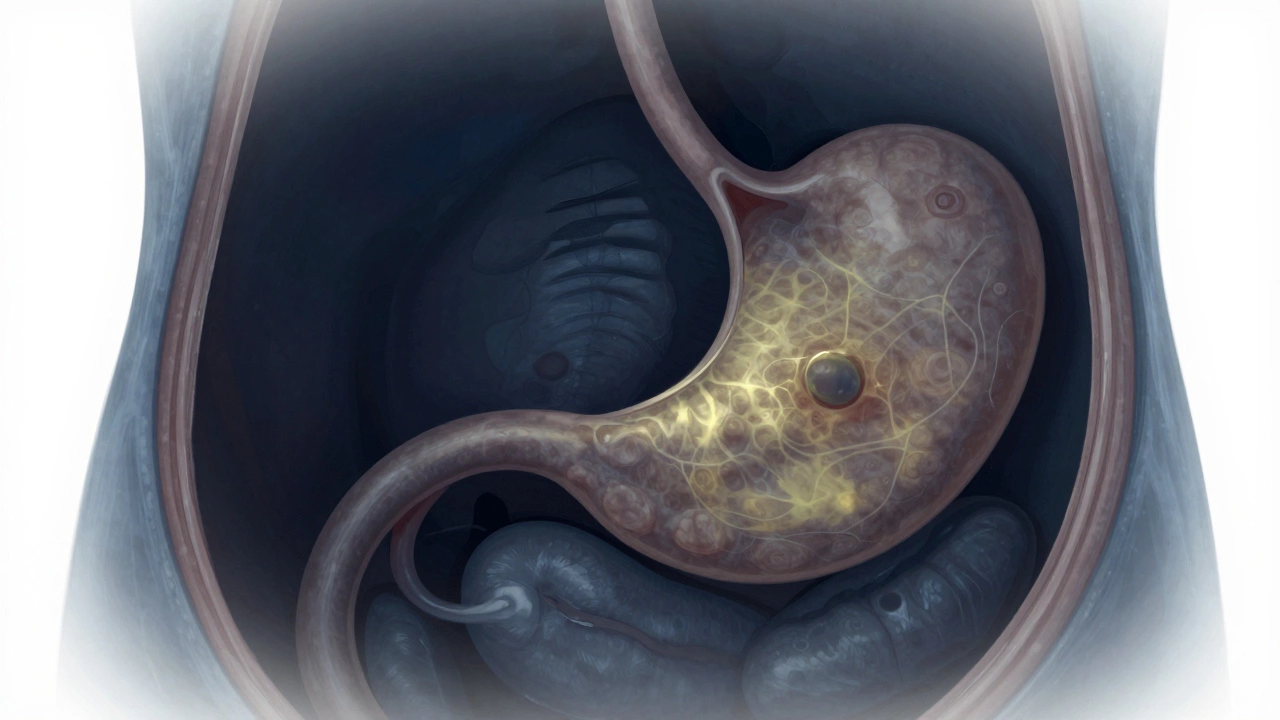
What Are the Top 3 Worst Cancers? Survival Rates, Symptoms, and Why They’re So Deadly
Pancreatic, lung, and ovarian cancers are the deadliest due to late detection and lack of screening. Learn why they’re so dangerous and what steps you can take to catch them early.
read more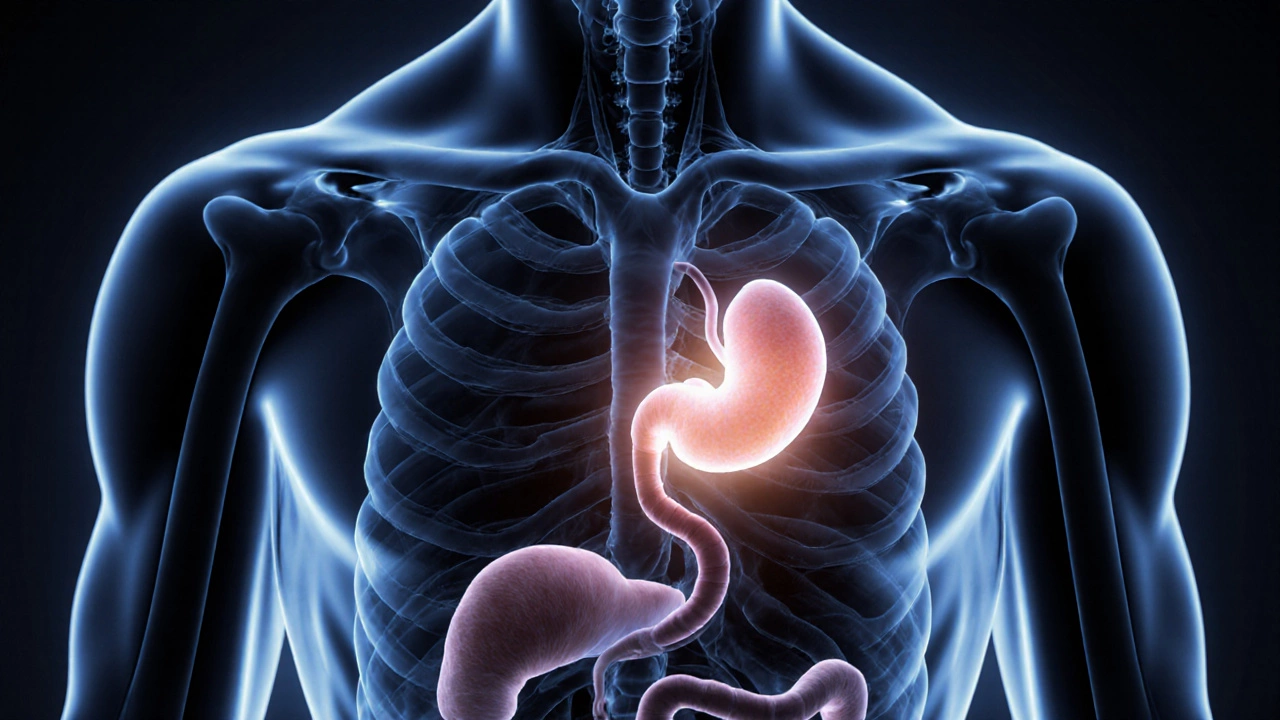
What Are the Deadliest Cancers and Why They’re So Hard to Treat?
Pancreatic, lung, liver, esophageal, and ovarian cancers are the deadliest due to late detection and poor treatment options. Learn why they're so dangerous and what you can do to reduce your risk.
read more