Most Sick Country: Why Some Nations Struggle with Health and What It Means for You
When people talk about the most sick country, a nation with the highest burden of disease, poorest health outcomes, and weakest medical infrastructure. Also known as the world’s most unhealthy nation, it’s not just about how many people get sick—it’s about who can’t get help when they need it most. This isn’t a ranking based on one outbreak or a single virus. It’s the slow collapse of clean water, reliable medicine, trained doctors, and basic prevention. Countries labeled this way often have high rates of preventable diseases like tuberculosis, malaria, or diabetes—not because people are careless, but because systems have failed them for decades.
The healthcare access, the ability of people to get timely, affordable, and effective medical care in these places is broken. You won’t find a clinic within 50 miles for many families. Even if you can reach one, medicines might be out of stock, or a doctor might be working without pay. This isn’t fiction—it’s daily life in places where the government spends less than $20 per person on health each year. Compare that to countries where spending hits $5,000. The gap isn’t just money—it’s life expectancy, child survival, and the chance to recover from cancer or heart disease.
And it’s not just about poverty. Some of the worst health outcomes happen in countries with rich resources but corrupt systems. Money meant for vaccines ends up in private pockets. Clinics sit empty because no one maintains them. People die from infections that were curable 50 years ago. Meanwhile, disease burden, the total impact of illness on a population, measured in lost years of life and disability keeps climbing. Chronic conditions like diabetes and high blood pressure are rising fast—not because people eat too much sugar, but because healthy food is expensive or unavailable, and screening programs don’t exist.
What does this have to do with you? Everything. The same forces that break health systems abroad—underfunding, misinformation, lack of education, and political neglect—are quietly growing at home too. India, for example, faces rising diabetes rates, uneven access to chemo, and long waits for basic care. The Ayurvedic diet and herbal supplements you read about here aren’t just trendy—they’re survival tools for people who can’t afford Western medicine. The person struggling to afford Metformin in Mumbai is part of the same global story as the one waiting for a kidney transplant in a rural clinic with no running water.
When you read about why you can’t touch a chemo patient, or how turmeric fights inflammation, or why dental implants are too expensive for most, you’re seeing fragments of the same broken system. The public health systems, organized efforts by governments and communities to protect and improve population health in the most sick countries are often the same ones under strain here—just more visible. The difference? In wealthier places, we have insurance, specialists, and emergency rooms. In the most sick countries, you get hope—and maybe a cup of turmeric tea.
What follows are real stories from people fighting illness with limited tools—people trying to lose weight after 50 without gyms, choosing between chemo and rent, using ancient diets to survive modern disease. These aren’t just articles. They’re survival guides from the front lines of a global health crisis you can’t ignore. Whether you’re in Delhi, Detroit, or Dublin, understanding what makes a country sick helps you protect yourself—and maybe even change things.
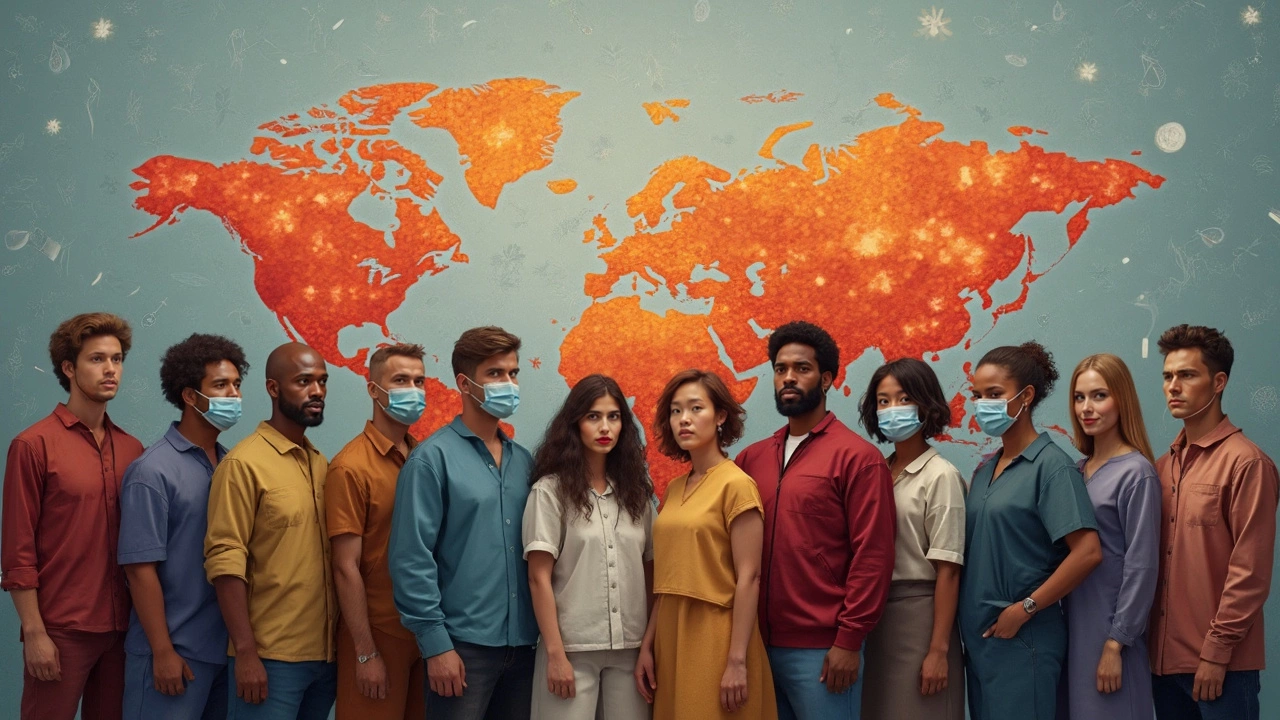
Which Country Faces the Highest Illness Rates? Insights & Global Health Comparisons
Explore which country gets sick the most, why illness rates are high, and how specific countries compare. Learn useful health facts and real statistics about global disease burden.
read more