Low Calorie Beverages: What Works, What Doesn't, and What You Should Drink Instead
When you're trying to cut calories, low calorie beverages, drinks with minimal or no added sugar and fewer than 50 calories per serving. Also known as zero sugar drinks, they're meant to help you stay hydrated without the sugar crash. But not all of them do what they promise. Some are full of artificial sweeteners that still trigger cravings. Others trick your brain into wanting more sweets. And a few? They’re just water with chemicals slapped on a label.
Real low calorie beverages don’t need to taste like science. Water with lemon, unsweetened tea, sparkling water with a splash of fruit—these are the ones that actually work. They don’t mess with your hunger signals. They don’t spike insulin. And they don’t leave you feeling hungrier an hour later. Compare that to diet sodas, which studies show can still lead to weight gain because your body expects sugar and gets nothing. That mismatch? It rewires your appetite. Even if the label says zero calories, your body knows something’s off.
Then there’s the rise of sugar-free drinks, beverages sweetened with stevia, erythritol, or monk fruit instead of sucrose. Also known as diet soda alternatives, they’re marketed as the healthy choice—but not all are created equal. Some use blends that cause bloating or digestive issues. Others are fine in moderation. The trick? Read the ingredients. If you see more than three additives, walk away. Natural flavors? Vague term. High fructose corn syrup? Avoid. Even if it’s labeled "zero sugar," watch for maltodextrin or dextrose hiding in plain sight.
And hydration isn’t just about what you drink—it’s about what you avoid. Coffee? Fine, black or with a splash of milk. Herbal teas? Great. But those "fitness waters" with 10 ingredients and 10 calories? They’re not helping. They’re marketing. The same goes for flavored sparkling waters that taste like candy. Your body doesn’t need artificial raspberry flavor to stay hydrated.
What’s missing from most low calorie beverage debates is this: your goal isn’t just to cut calories. It’s to reset your taste buds. When you stop chasing sweet flavors, your body starts craving real food again. You notice the natural sweetness in fruit. You stop needing that afternoon soda. That’s the real win—not just fewer calories, but fewer cravings.
You’ll find posts here that break down what’s really in your favorite "healthy" drink. You’ll see what works for people trying to lose weight, manage diabetes, or just feel better. Some of these drinks are tied to Ayurvedic principles—like herbal infusions that support digestion without sugar. Others compare real alternatives to big-brand diet sodas. There’s even one on how stopping artificial sweeteners helped someone reverse insulin resistance. No hype. No influencers. Just what people tried, what worked, and what backfired.
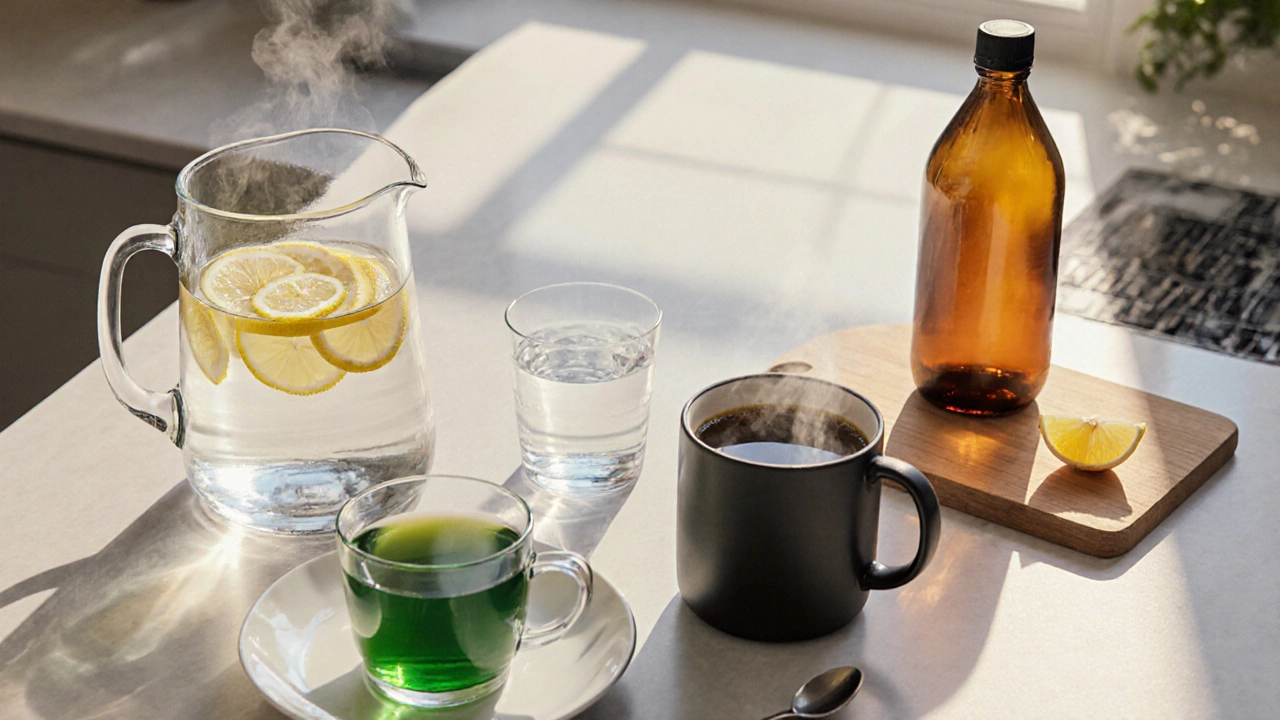
Best Drink for Weight Loss: Top Choices Backed by Science
Discover the most effective drinks for weight loss, including green tea, coffee, apple cider vinegar, and more. Learn how each works, practical ways to use them, and common pitfalls to avoid.
read more