Cancer Life Expectancy: What Really Matters for Survival and Quality of Life
When people hear cancer life expectancy, the average time a person is expected to live after a cancer diagnosis, often based on population data and treatment outcomes. Also known as cancer survival rates, it's not a prediction for you—it's a statistical snapshot used by doctors to guide treatment, not define your future. Many assume a low number means no hope, but that’s not how it works. Real life doesn’t follow averages. Two people with the same cancer type and stage can have wildly different outcomes based on age, overall health, how early it was found, and even their mental resilience.
What really shifts the needle isn’t just the cancer itself—it’s the stage 4 cancer, a classification meaning the disease has spread beyond its original site to distant organs or tissues versus earlier stages. Stage 1 or 2 cancers often have survival rates over 80% for many types, while stage 4 drops dramatically—for pancreatic cancer, it’s under 5% at five years. But even then, some live years longer than expected. Then there’s chemotherapy benefits, the measurable impact of drug treatments on tumor shrinkage, symptom control, and extended survival. For some, chemo adds months. For others, it adds years. But it’s not always worth the toll. Side effects like fatigue, nerve damage, or weakened immunity can cut quality of life fast. That’s why many start asking: is this helping me live better, or just longer?
That’s where palliative care, a focused approach to relieving pain, managing symptoms, and supporting emotional well-being at any stage of serious illness comes in. It’s not giving up. It’s choosing to focus on what matters: being comfortable, staying with loved ones, and having control. Studies show people who start palliative care early don’t just feel better—they often live longer than those who wait until the end. The best decisions aren’t made in fear. They’re made with clear info, honest conversations, and a plan that fits your values.
Below, you’ll find real stories and data-backed insights on what actually changes the game—whether it’s the type of cancer, the timing of treatment, or how you manage life after diagnosis. No fluff. No false hope. Just what works, what doesn’t, and what you can do to take back some control.
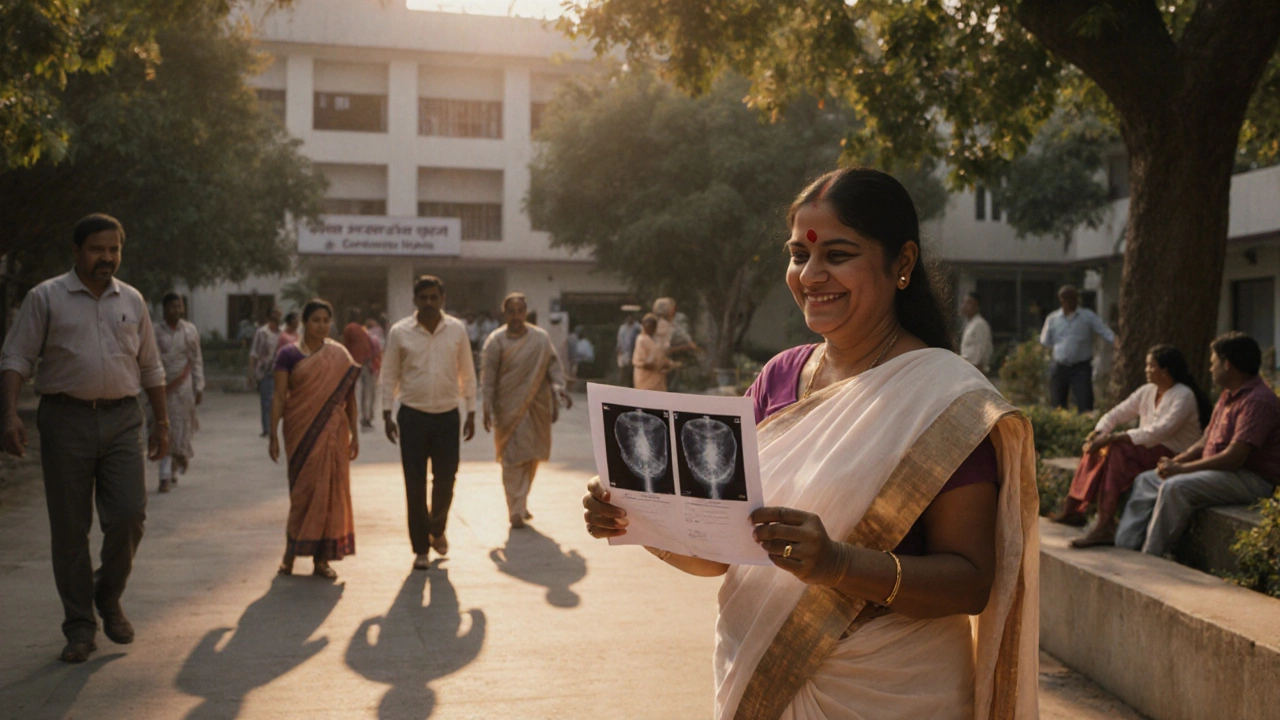
How Long Can Someone Live With Cancer? Real Survival Rates and What Matters Most
How long someone lives with cancer depends on type, stage, age, and treatment. Many live years-or decades-with modern care. Early detection and lifestyle matter as much as medicine.
read more