
Orthopedic Appointment Attire Guide
Select the body part you are visiting the orthopedist for to receive personalized clothing recommendations based on medical efficiency and comfort guidelines.
Imagine standing in the changing room of a busy orthopedic hospital, fumbling with buttons on your favorite shirt, while your doctor is waiting. You’re already nervous about the pain or injury that brought you there. The last thing you need is a wardrobe malfunction that delays your exam or makes it impossible for the specialist to see the problem clearly.
Getting dressed for an orthopedic appointment isn’t just about looking presentable. It’s a practical step that affects the accuracy of your diagnosis and the comfort of your treatment. If you are seeing a specialist for a knee replacement consultation, a shoulder rotator cuff repair, or even a simple back strain, what you wear matters more than you might think. Wearing the wrong outfit can mean extra time in the clinic, awkward positions during X-rays, or even rescheduling if the area cannot be properly examined.
The Golden Rule: Loose-Fitting and Easy to Remove
The single most important guideline for any orthopedic visit is simplicity. Your doctor needs access to the injured area. If you are having a hip issue, they need to see your leg and lower torso. If it’s a wrist problem, they need your arm sleeve bare. Tight jeans, complex dresses with many layers, or intricate button-down shirts create unnecessary friction.
Think of your outfit as a tool for efficiency. The best clothing allows you to slide it off or pull it up without assistance. This is especially critical if you are using crutches, a walker, or have limited mobility due to pain. You do not want to struggle with zippers or tight waistbands when you are already dealing with physical discomfort. Opt for elastic waists, wide necklines, and stretchy fabrics. These features ensure that you can move freely during the physical examination, which often involves bending, stretching, or lifting limbs.
Specific Advice Based on Body Part
While the general rule is "loose and easy," tailoring your choice to the specific body part being treated shows foresight and helps the process run smoother. Here is how to adjust your wardrobe based on where the pain is located:
- Knee or Leg Issues: Avoid long skirts or trousers that are difficult to roll up. Capris, shorts, or loose sweatpants are ideal. If you must wear long pants, choose ones with an elastic waistband so you can pull them down easily if the doctor needs to examine your thigh or hip joint. Avoid skinny jeans at all costs; they restrict blood flow and are nearly impossible to remove without taking off your shoes, which may be painful if your foot is also swollen.
- Shoulder or Arm Problems: T-shirts with wide necks or V-necks are your best friend. Button-down shirts work well too, provided the sleeves are not tight around the biceps. Avoid turtlenecks or tight tank tops that dig into the armpit, as this area is often manipulated during shoulder exams. If you have a sling, ensure your top has enough room underneath to accommodate it without bunching up uncomfortably.
- Back or Spine Concerns: For back pain, the doctor will likely ask you to bend forward, twist, or lie flat. Tight waistbands can dig into your abdomen and interfere with these movements. High-waisted leggings with a soft waistband or loose track pants are excellent choices. Avoid stiff denim or structured blazers that limit spinal movement. If the exam involves checking your nerve reflexes, you may need to expose your lower back, so layered clothing (like a cardigan over a t-shirt) allows for quick adjustments.
- Hip or Pelvic Issues: Similar to knee issues, you need easy access to the upper leg and groin area. Loose shorts or a skirt with an elastic waist is perfect. Avoid one-piece jumpsuits or rompers unless they have a zipper that runs from the bottom up, which is rare. Separates give you the flexibility to remove only the necessary piece of clothing.
Footwear: Stability Over Style
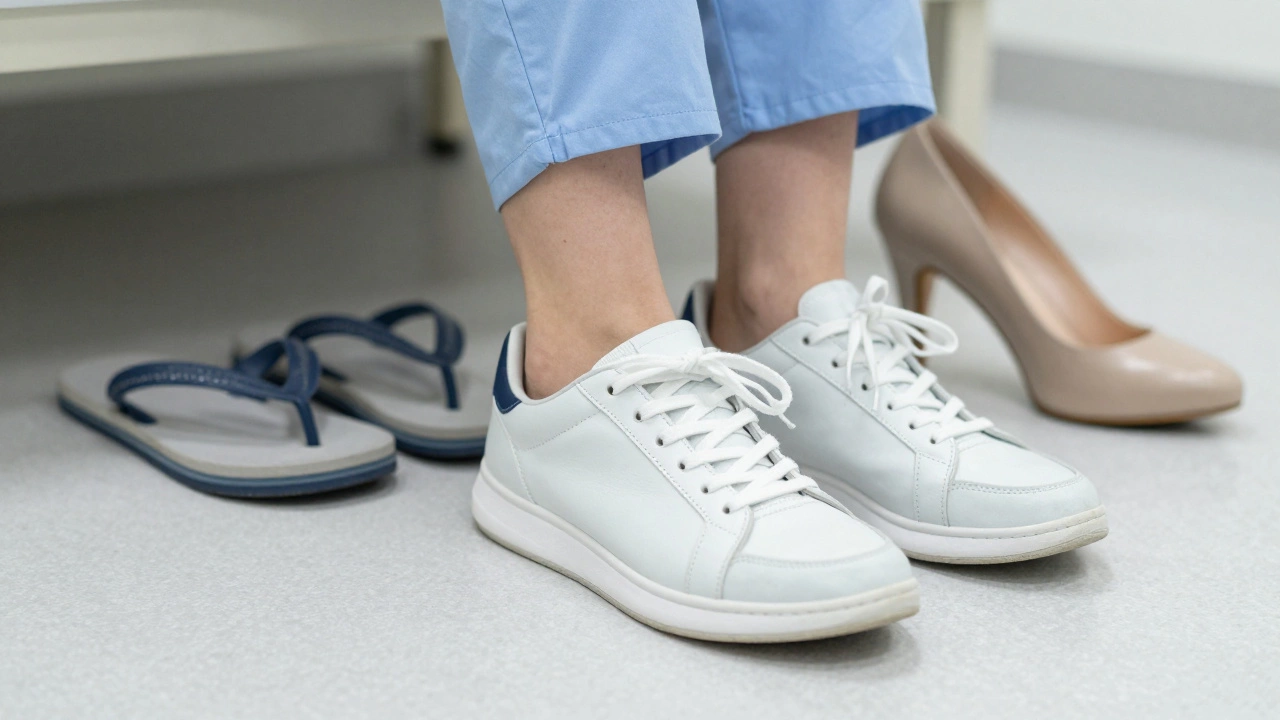
Your feet play a surprising role in orthopedic exams, even if your complaint is in your shoulder or back. Posture is interconnected; how you stand affects your entire skeletal structure. Therefore, wearing supportive, flat shoes is crucial. High heels alter your center of gravity and can make balance tests inaccurate. They also increase pressure on your knees and hips, potentially exacerbating pain during the walk to the examination room.
Sneakers with laces are generally better than slip-ons because they provide more stability, but consider how easy they are to take off. Many clinics require you to remove your shoes for X-rays or weight-bearing assessments. Velcro straps or elastic laces can save you time and effort. If you are recovering from foot surgery, bring your post-op shoe if required, but also have a pair of comfortable house slippers or sandals ready for walking around the clinic after the exam. Avoid flip-flops if you have balance issues, as they offer little support and can cause tripping hazards in a clinical environment.
Accessories and Jewelry: Less Is More
Jewelry can interfere with diagnostic imaging and physical manipulation. Metal bracelets, watches, and rings can show up on X-rays or MRI scans, causing artifacts that obscure the view of bones and joints. Even if you are not getting imaging done immediately, metal jewelry can get caught on medical equipment or gowns. It is safer to leave your valuables at home or in your car.
If you must wear something, stick to small, non-metallic items. However, be prepared to remove everything from the waist up if an X-ray is ordered. Necklaces, especially those with pendants, can hang into the field of view for chest or spine X-rays. Earrings are usually fine, but large hoops might get in the way if you are lying on your side. Remember, hospitals are not secure places for expensive jewelry. Keeping your hands free of rings also helps maintain hygiene and prevents accidental damage to delicate medical instruments.
Temperature Control and Layering
Hospitals and clinics are notoriously cold. Air conditioning is kept low to prevent bacterial growth and keep staff comfortable during physically demanding tasks. When you are anxious, your body temperature can drop further. Arriving in layers ensures you stay warm before and after the exam. Start with a light t-shirt or tank top, add a long-sleeved loose sweater or hoodie, and finish with a jacket or cardigan.
This layering strategy serves two purposes. First, it keeps you comfortable in the waiting room. Second, it allows you to quickly shed outer layers when it’s time for the exam without having to change entirely. You can simply open a zip-up hoodie or unbutton a cardigan to expose the affected area. Once the exam is over, you can put the layers back on. This is particularly helpful if you are sensitive to cold or if the procedure involves cleaning the skin with alcohol wipes, which can feel chilling.

What to Bring Alongside Your Outfit
Your clothing choices should be supported by the right accessories. Always carry a small bag with essentials. Include a pen and paper to write down the doctor’s instructions, as adrenaline can make it hard to remember details later. Bring a list of current medications, including dosages, as some drugs affect bone density or healing rates. If you have had previous X-rays or MRIs, bring the images or CDs, not just the reports. Doctors often prefer to look at the raw images themselves.
If you use assistive devices like crutches, a cane, or a brace, bring them along. The doctor may need to adjust them or check how you are using them. Don’t forget your insurance card and ID. While these aren’t clothing items, having them readily accessible reduces stress and keeps the administrative part of the visit smooth, allowing more time for the medical discussion.
| Body Area | Recommended Attire | Avoid |
|---|---|---|
| Knee/Leg | Shorts, capris, loose sweatpants | Skinny jeans, long tight skirts |
| Shoulder/Arm | Wide-neck T-shirts, button-downs | Turtlenecks, tight tank tops |
| Back/Spine | Elastic-waist pants, loose layers | Stiff denim, structured blazers |
| Hip/Pelvis | Separates, elastic-waist bottoms | One-piece jumpsuits, high-rise tight jeans |
| Feet | Supportive sneakers, slip-ons | High heels, flip-flops (if unstable) |
Special Considerations for Surgery Consultations
If your appointment is specifically to discuss upcoming surgery, such as a total knee replacement or spinal fusion, the stakes are slightly higher. The surgeon will assess your overall health and surgical risk. In this case, modesty and ease are still key, but you might also want to consider how you will travel home afterward. If the consultation involves a minor procedure like an injection, you will need to sit still for a period afterward. Comfortable seating-friendly clothing is essential.
For women, avoiding heavy makeup is advisable, especially if sedation is involved in future procedures, though rarely for a standard consultation. Natural nails are preferred if pulse oximetry (blood oxygen monitoring) is performed. Artificial nails can interfere with the sensor reading. While this is more relevant for day-of-surgery attire, establishing good habits early helps.
Hygiene and Preparation
Cleanliness is paramount in medical settings. Shower before your appointment if possible, especially if the area being examined is prone to sweating, like the underarms or groin. Freshly washed hair and clean skin reduce the risk of infection, particularly if any incisions or injections are planned. Avoid strong perfumes or colognes, as many patients and staff have sensitivities or allergies. Unscented deodorant is a safe bet. This respect for the shared space contributes to a positive interaction with the healthcare team.
Can I wear my regular clothes to an orthopedic appointment?
You can, but only if they are loose-fitting and easy to remove. Regular clothes like tight jeans, button-up shirts with many buttons, or complex dresses can hinder the examination process. The goal is to allow the doctor easy access to the injured area without struggling with your wardrobe. If your regular clothes meet these criteria, they are fine. Otherwise, opt for athletic wear or loungewear.
Do I need to wear special underwear for an orthopedic visit?
Not necessarily, but simple cotton underwear is best. Avoid lace, thongs, or anything with metal embellishments that could interfere with X-rays or cause discomfort during physical manipulation. If you are having pelvic or hip surgery discussed, plain briefs or boxers are easier to manage than complicated lingerie. Comfort and hygiene are the primary concerns here.
What if I am using crutches? How should I dress?
If you are using crutches, avoid long pants that might drag on the ground or get caught in the crutch mechanisms. Capris or rolled-up sweatpants are ideal. Ensure your shirt is tucked in or short enough not to flap around, which can be distracting. Footwear should be sturdy and non-slip. You may also want to bring a small stool or cushion if you anticipate needing to sit frequently during the wait.
Should I bring a change of clothes?
Generally, no, unless you are scheduled for a procedure that might stain your clothing, such as certain injections or wound care. For a standard consultation or follow-up, your everyday clothes are sufficient. However, if you live far away and worry about spilling coffee or getting dirty during transport, having a backup outfit in your car is a smart precaution.
Does what I wear affect my X-ray results?
Yes, significantly. Metal zippers, buttons, underwire bras, and jewelry can create shadows or artifacts on X-ray images, obscuring the bones and joints the radiologist needs to see. This can lead to unclear images and the need for repeat X-rays, delaying your diagnosis. Always remove metal objects from the area being imaged. Hospitals will provide gowns if necessary, but dressing appropriately minimizes this hassle.

Write a comment