Swarna Bhasma Dosage & Safety Calculator
Calculate your daily gold ash intake based on standard Ayurvedic protocols and check safety thresholds.
Results
- Total Gold Ash Consumed: 0 mg
- Daily Anupana Recommendation: Take with -.
- Safety Status: -
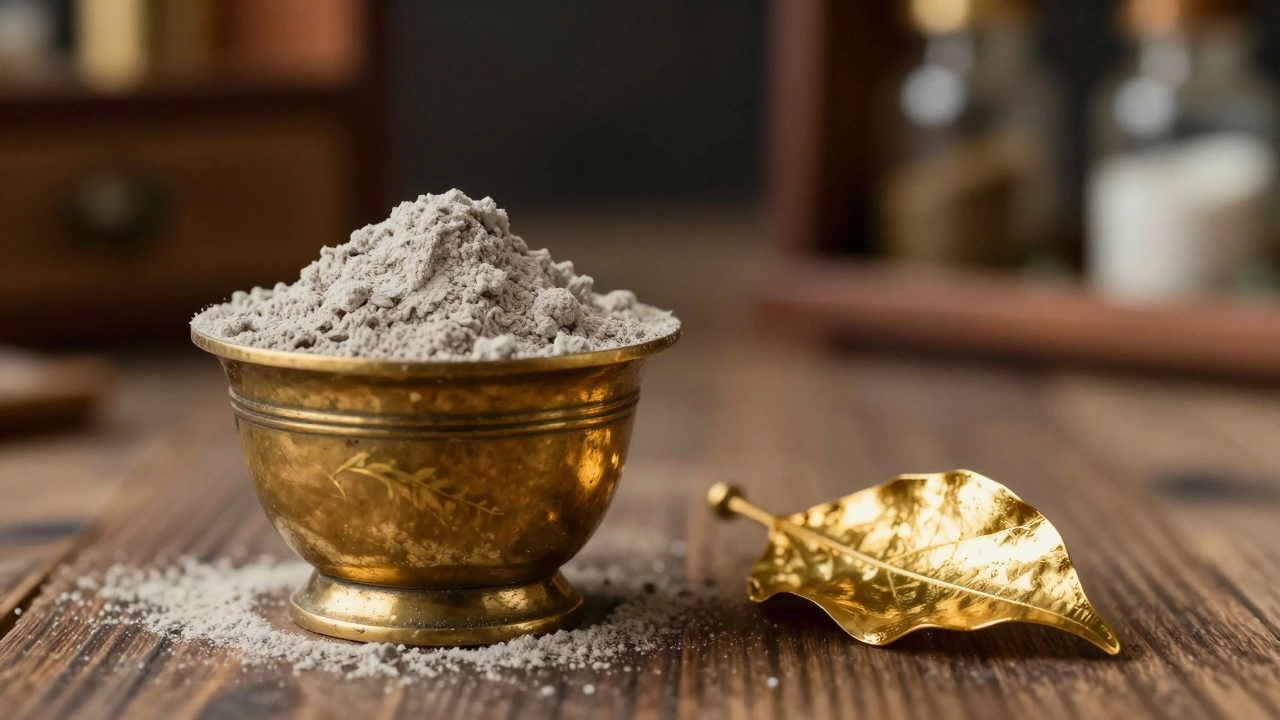
You’ve probably heard that ancient kings used to eat gold. It sounds like a myth from a fairy tale, but in Ayurveda is an ancient Indian system of medicine that focuses on balancing the body's energies, this practice is real. The question isn't just "can you eat gold?" but rather, "what kind of gold is safe and effective?" If you walk into an Ayurvedic pharmacy today, you won’t find raw gold bars on the shelf. You will find a fine, greyish powder known as Swarna Bhasma is incinerated gold ash used as a potent medicinal ingredient in Ayurveda. This substance is the cornerstone of what practitioners call Rasa Shastra is the branch of Ayurveda dealing with mineral and metal-based medicines.
The idea of consuming metal seems counterintuitive to modern Western medicine, where heavy metals are often viewed strictly as toxins. However, Ayurveda has a specific protocol for transforming these elements. It’s not about swallowing jewelry. It’s about using a highly refined, processed form of gold that changes its chemical structure to make it bioavailable and therapeutic. Understanding what this gold is, how it’s made, and why it’s used can clear up a lot of confusion.
The Transformation: From Metal to Medicine
The gold used in Ayurveda is not elemental gold (Au) in its metallic state. Elemental gold is chemically inert; your body cannot absorb it, and it passes through your system without doing much. To make it useful, Ayurvedic practitioners undergo a process called Shodhana is the purification process in Ayurveda to remove impurities from metals and minerals followed by Bhasmikarana is the incineration process that converts purified metals into fine ash.
This transformation is critical. During Shodhana, the gold is washed and treated with herbal decoctions to remove surface impurities. Then, during Bhasmikarana, the gold is heated repeatedly with specific herbs until it turns into a super-microscopic ash. This ash, Swarna Bhasma, has different properties than the solid metal. It is designed to be absorbed by the body at a cellular level. Think of it like the difference between eating a whole nut versus blending it into a smooth paste. The paste is easier for your body to utilize. The same logic applies here, though the science behind it is complex and rooted in traditional alchemy.
Why go through all this trouble? Because in Ayurveda, gold is considered a Rasayana is a rejuvenating therapy or substance that promotes longevity and vitality. It is believed to carry a high vibrational energy that helps balance the three doshas-Vata, Pitta, and Kapha. But more practically, it is used for its anti-inflammatory and neuroprotective qualities.
Common Forms and Preparations
You rarely take Swarna Bhasma on its own. It is almost always combined with other powerful herbs to enhance its effects and ensure safety. Here are the most common preparations you might encounter:
- Swaranjali: This is one of the most famous formulations. It combines Swarna Bhasma with Ashwagandha is Withania somnifera, an adaptogenic herb known for reducing stress and boosting energy. The combination is popular for building strength and improving stamina. It’s often prescribed for people recovering from long illnesses or those suffering from chronic fatigue.
- Chyawanprash with Gold: Standard Chyawanprash is an herbal jam made primarily from Amla (Indian gooseberry). Premium versions include Swarna Bhasma to boost its immune-boosting capabilities. This is a daily tonic rather than a targeted treatment.
- Maharasnadi Kwath: While this formulation doesn't always contain gold, similar golden-hued decoctions are used for respiratory issues. When gold is added to such mixes, it aims to reduce inflammation in the lungs and bronchial tubes.
The dosage is incredibly small. We are talking about milligrams, not grams. A typical dose might be 125mg to 250mg per day, taken with milk or ghee. Taking more than prescribed is dangerous because the purification process must be perfect. Any leftover unprocessed metal can lead to toxicity.

Health Benefits: What Does It Actually Do?
If you’re considering Swarna Bhasma, you likely have a specific health goal. Here is what the literature and traditional usage suggest it helps with:
- Neurological Support: Gold is traditionally used to sharpen memory and focus. It is believed to cross the blood-brain barrier more effectively than other minerals, potentially helping with conditions like early-stage dementia or general brain fog. Modern studies on gold nanoparticles show promise in neuroprotection, which aligns with these ancient claims.
- Immune System Boost: As a Rasayana, it is meant to strengthen the body’s defense mechanisms. People with weak immunity who get frequent colds or infections might use it under guidance.
- Anti-Aging: The concept of 'longevity' is central to Ayurveda. Swarna Bhasma is thought to slow down the aging process by reducing oxidative stress in the cells. It’s not a magic fountain of youth, but it may help maintain skin elasticity and joint health.
- Rheumatoid Arthritis: Some practitioners use it to reduce joint pain and swelling. The anti-inflammatory properties of gold are well-documented in allopathic medicine too (think of gold injections for arthritis), so there is a parallel here.
It’s important to manage expectations. This is not a quick fix. Ayurvedic treatments work slowly. You might take it for three to six months before noticing significant changes in your energy levels or cognitive function.
Safety First: The Risks of Impure Gold
This is the most critical section. Not all gold supplements are created equal. In fact, many products sold online or in unregulated markets are dangerous. Why? Because if the Shodhana and Bhasmikarana processes are skipped or done poorly, you end up with heavy metal poisoning.
Gold itself is relatively non-toxic compared to lead or mercury, but impurities in the processing agents (like sulfur or arsenic used in some traditional methods) can remain. Symptoms of heavy metal toxicity include nausea, vomiting, abdominal pain, and in severe cases, kidney failure.
To stay safe, follow these rules:
- Buy from Reputable Brands: Look for companies that provide third-party lab testing results. They should prove the absence of toxic heavy metals like lead, mercury, and arsenic.
- Consult an Ayurvedic Doctor: Do not self-prescribe. An experienced Vaidya (Ayurvedic physician) will assess your Prakriti (body constitution) and determine if you need gold. For example, someone with high Pitta (heat) might react negatively to gold if not balanced correctly.
- Check for Certification: In India, look for GMP (Good Manufacturing Practice) certification. If you are buying internationally, check for FDA registration or equivalent regulatory compliance.
I once met a patient in Bangalore who bought cheap gold powder from a local market stall. He started experiencing stomach cramps within a week. When we tested the product, it contained high levels of unprocessed metallic particles. He stopped immediately and switched to a certified brand, and his symptoms resolved. This story highlights why source matters immensely.
Who Should Avoid Swarna Bhasma?
While beneficial for many, gold is not for everyone. You should avoid it if:
- You are Pregnant or Breastfeeding: There is insufficient data on the safety of heavy metal derivatives during pregnancy. It’s best to stick to pure herbal remedies.
- You Have Kidney Issues: Your kidneys filter waste from your blood. Adding any mineral supplement adds workload to them. If your renal function is compromised, consult a nephrologist first.
- You Are on Allopathic Medications: Gold can interact with certain drugs, particularly those affecting the nervous system or immune response. Always inform both your Ayurvedic doctor and your primary care physician about all supplements you take.
How to Take It Correctly
If your doctor prescribes Swarna Bhasma, they will give you specific instructions on the Anupana is the vehicle or medium used to administer Ayurvedic medicines. The Anupana enhances absorption and directs the medicine to the target tissue.
Common Anupanas for gold include:
- Warm Milk: Best for general weakness and sleep issues. Milk acts as a nourishing base.
- Ghee: Ideal for neurological conditions and dryness. Ghee helps carry the medicine across the blood-brain barrier.
- Honey: Sometimes used for respiratory issues, but never mix honey with hot liquids.
Take it usually in the morning on an empty stomach or after meals, depending on your digestion. Consistency is key. Skipping doses reduces effectiveness.
Is Swarna Bhasma the same as eating gold leaf?
No, they are completely different. Gold leaf found in food decoration is pure elemental gold, which is inert and passes through your body without being absorbed. Swarna Bhasma is processed ash that is bioavailable and intended for medicinal use. Eating decorative gold provides no health benefits.
Can I buy Swarna Bhasma online safely?
You can, but only from reputable, established brands that provide laboratory test reports for heavy metal content. Avoid unknown sellers on social media or marketplace apps that do not disclose their manufacturing process or quality control measures.
How long does it take to see results?
Results vary by individual and condition. For general wellness, you might feel increased energy within a few weeks. For chronic conditions like arthritis or neurological support, it may take 3 to 6 months of consistent use to notice significant improvements.
Are there side effects of taking Swarna Bhasma?
When taken in correct doses from a purified source, side effects are rare. However, impure products can cause heavy metal toxicity. Even pure products may cause mild digestive upset in some people initially. Always start with a low dose under medical supervision.
Does insurance cover Ayurvedic gold treatments?
Generally, no. Most health insurance plans do not cover Ayurvedic supplements or consultations unless they are part of an integrated hospital program that recognizes Ayurveda as a standard medical practice in your region. Check with your provider for specific policy details.

Write a comment