Telepharmacy: What It Is and How It’s Changing Healthcare in India
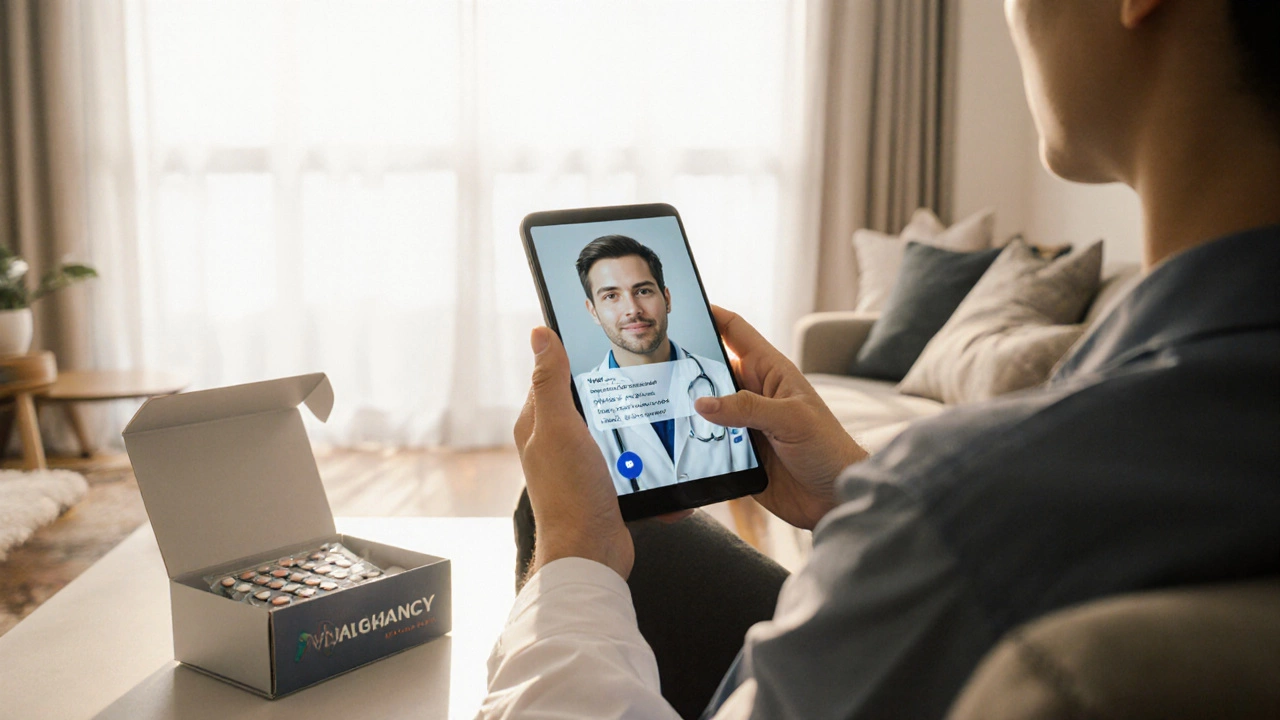
When you think of a pharmacy, you probably picture a counter with a pharmacist behind it, handing out pills and answering questions. But now, telepharmacy, a system where pharmacists provide medication guidance remotely using video, phone, or apps. Also known as remote pharmacy, it’s turning healthcare access upside down—especially in places where doctors and pharmacies are hard to find. In India, where over 70% of villages lack a nearby pharmacy, telepharmacy isn’t just convenient—it’s life-saving. It lets people in remote towns get their prescriptions filled, check for drug interactions, and learn how to take their medicines safely—all without traveling hours to a city hospital.
Telepharmacy doesn’t replace your local pharmacist. It connects them to patients who need them. A pharmacist in Bangalore can review a prescription sent from a clinic in Jharkhand, verify dosage, and even record a short video explaining how to use an inhaler. This isn’t sci-fi—it’s happening now through government health programs and private startups. The technology behind it is simple: secure apps, digital prescriptions, and video calls. But the impact? Huge. People with diabetes, hypertension, or chronic pain aren’t skipping doses anymore because they can’t get to the pharmacy. Elderly patients living alone can get their meds delivered and have a pharmacist check in on them weekly. And for busy parents, it means no more missing work to pick up antibiotics for a sick kid.
What makes telepharmacy different from just ordering pills online? It’s the human touch. You’re not just clicking ‘buy.’ You’re talking to a licensed pharmacist who knows your history, asks if you’re having side effects, and warns you if a new medicine might clash with your old ones. This matters because over 40% of medication errors in India happen due to poor counseling—not wrong dosages. Telepharmacy fixes that gap. It also ties into broader digital health efforts like e-prescriptions and Aadhaar-linked medical records, making care more connected and safer.
It’s not perfect yet. Internet outages, lack of digital literacy in older populations, and unclear rules around cross-state pharmacy licensing still slow things down. But the momentum is real. Hospitals, NGOs, and even drug companies are investing in it because they see the numbers: fewer hospital visits, better adherence, lower costs. And as more Indians get smartphones and reliable internet, telepharmacy will keep growing—not as a luxury, but as a basic part of healthcare.
Below, you’ll find real stories and guides on how telepharmacy works in practice—from how to use it safely to how it’s being rolled out in villages and cities across India. Whether you’re a patient, a caregiver, or just curious about the future of medicine here, these posts give you the clear, no-fluff facts you need.
Best Online Prescription Service 2025: Top Picks & How to Choose
Discover the top online prescription services in India for 2025, learn key evaluation criteria, compare features, and get a step‑by‑step guide to pick the right platform for your health needs.
read more