Supplement Safety: What You Need to Know Before Taking Any Pill or Powder
When you pick up a bottle of supplements, concentrated substances taken to add nutrients or support health, often sold as pills, powders, or liquids. Also known as dietary supplements, they’re not regulated like drugs—so what’s on the label isn’t always what’s inside. That’s not hype. It’s reality. The FDA doesn’t approve supplements before they hit shelves. You’re trusting a company’s word—and sometimes, that’s risky.
Take herbal supplements, plant-based products used for health benefits, like turmeric, ashwagandha, or ginseng. They’re popular because they’re natural. But "natural" doesn’t mean safe. Turmeric can thin your blood. Ashwagandha can mess with thyroid levels. And if you’re on metformin, heart meds, or antidepressants? Some herbs can interfere dangerously. One study found over 20% of supplement-related ER visits involved people already on prescription drugs. You’re not just taking a pill—you’re playing with your body’s chemistry.
Then there’s the supplement risks, the potential for harm from contamination, incorrect dosing, or hidden ingredients. A 2023 test by a consumer watchdog found 1 in 5 weight-loss supplements had hidden stimulants linked to heart attacks. Another 1 in 10 had banned steroids. And don’t assume "Made in India" or "Ayurvedic" means safer. Without strict oversight, contamination is common. Even something as simple as a multivitamin can have too much vitamin A or iron—enough to damage your liver over time.
Supplement safety isn’t about avoiding them altogether. It’s about asking the right questions before you swallow anything. Who made this? Is there a third-party test on the bottle? Does it match your health goals—or just your fears? The posts below cover real cases: how turmeric fights inflammation but can clash with blood thinners, why Christians wonder if herbs conflict with faith, how Ayurvedic diets mix with modern meds, and what happens when you stop metformin and start taking something "natural" instead. These aren’t theoretical concerns. They’re lived experiences.
You don’t need to be a doctor to protect yourself. But you do need to be smart. The next time you reach for a supplement, pause. Check the label. Ask your pharmacist. Look up the name online. And if you’re managing diabetes, cancer, anxiety, or heart issues? Don’t guess. The right information could keep you out of the hospital.
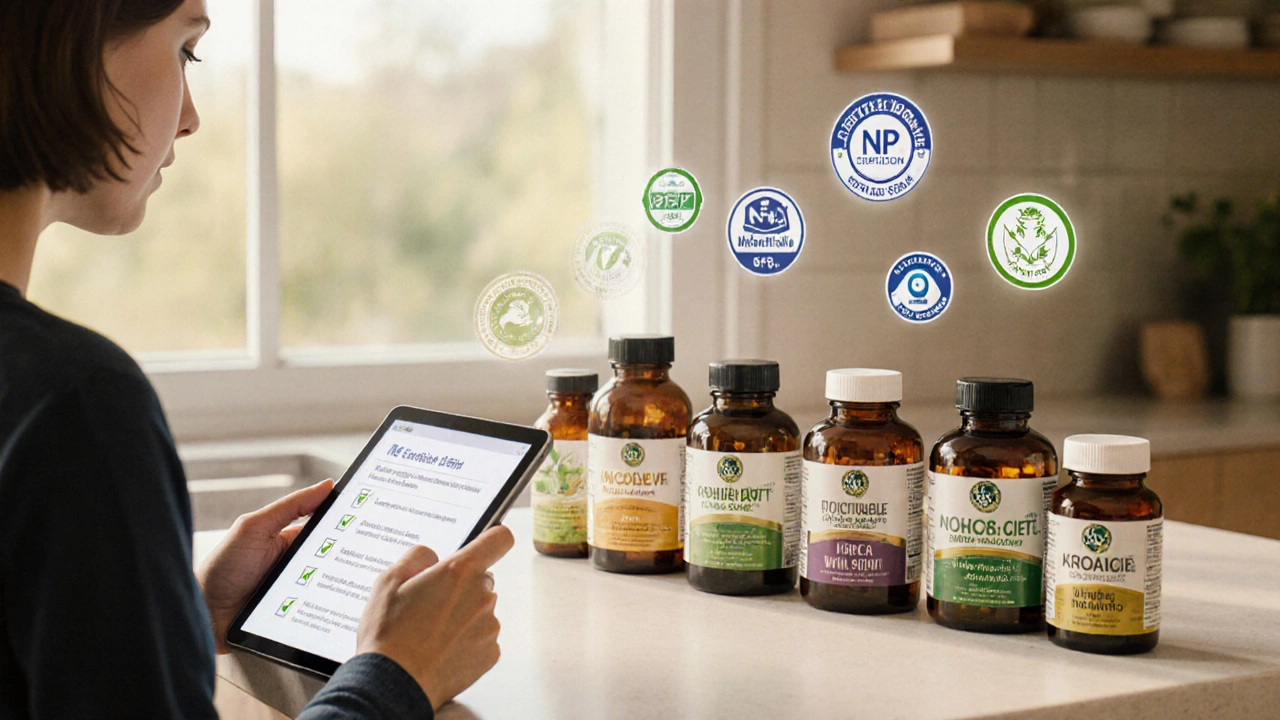
Top Reputable Herbal Supplement Companies in 2025
Learn how to spot the most reputable herbal supplement companies, understand key certifications, and compare top brands like Organic India and Gaia Herbs.
read more