Knee Replacement Risks: What You Need to Know Before Surgery
When your knee pain won’t quit, knee replacement, a surgical procedure to replace a damaged knee joint with an artificial one. Also known as total knee arthroplasty, it’s one of the most common orthopedic surgeries in India—and one of the most effective for relieving chronic pain from arthritis. But like any surgery, it’s not without risks. Many people assume it’s a simple fix, but the road to recovery can be unpredictable. You need to know what can go wrong, how often it happens, and what you can do to lower your chances of complications.
One of the biggest knee replacement risks, the chance of infection after surgery is real. About 1 in 100 patients get an infection deep in the joint. It’s rare, but serious—sometimes requiring more surgery, long antibiotics, or even removal of the implant. Then there’s blood clots, clots that form in the legs after surgery and can travel to the lungs. That’s why doctors push you to walk the day after surgery and may give you blood thinners. Other risks include stiffness, nerve damage, implant loosening, or the new knee feeling unnatural. Some people still have pain after surgery, even if the procedure went perfectly. That’s not failure—it’s just how the body responds.
Age and health matter a lot. If you’re overweight, have diabetes, or smoke, your risk of complications goes up. But that doesn’t mean you shouldn’t do it—it just means you need to prepare better. Losing even 5% of your body weight before surgery cuts your risk significantly. Quitting smoking for just 4 weeks before surgery helps your body heal faster. And if you’re on steroids or other immune-suppressing meds, your doctor needs to know. Most people who get knee replacements are over 60, but younger patients with severe arthritis are getting them too—and they often do just as well.
What you do after surgery matters more than you think. Physical therapy isn’t optional. Skipping it leads to stiffness, weakness, and a higher chance of needing revision surgery later. Most patients walk without a cane by 6 weeks. Full recovery takes 3 to 6 months. The best outcomes come from people who stick to their rehab plan, eat well, and stay active—even if it’s just short walks at first.
There’s no way to eliminate all risks, but you can control the big ones. Know your health, ask questions, and don’t rush. The right surgery at the right time can give you back years of pain-free movement. Below, you’ll find real stories, expert advice, and practical steps to help you make the best decision—for your body, your life, and your future.
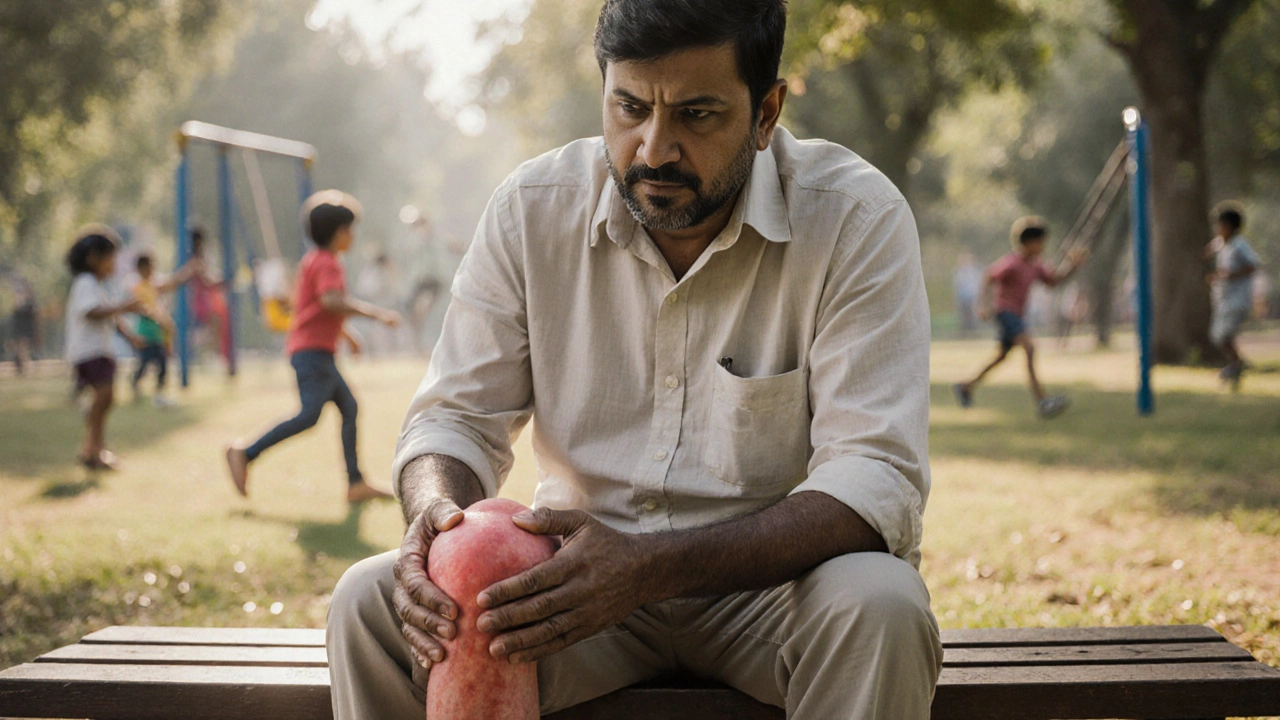
Risks of Delaying Knee Surgery: What to Expect
Delaying knee replacement can worsen pain, increase complications, and make surgery harder. Learn the risks, signs to act, and how to manage while you wait.
read more