Knee Osteoarthritis Progression: Signs, Triggers, and What You Can Do
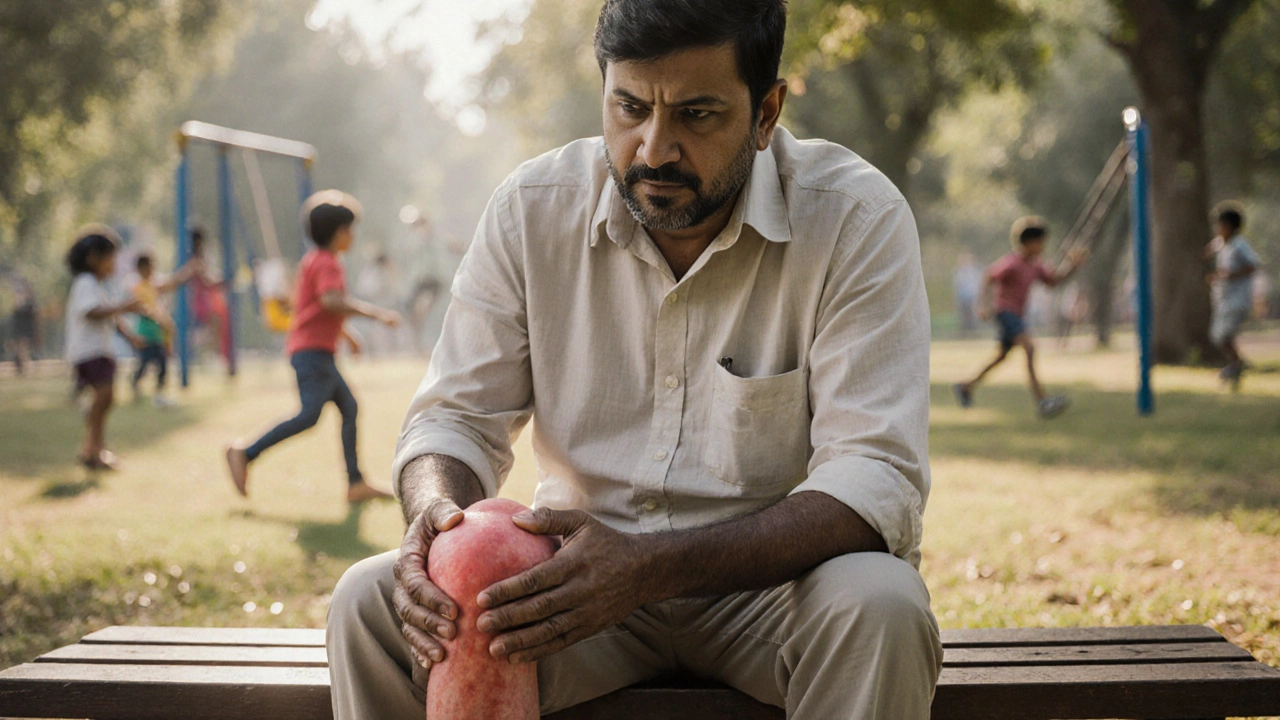
When your knee starts aching after walking, climbing stairs, or even just standing up, it might not be just old age—it could be knee osteoarthritis progression, the gradual breakdown of cartilage in the knee joint that leads to pain, stiffness, and reduced mobility. Also known as degenerative joint disease, this isn’t just wear and tear—it’s an active process where inflammation, muscle weakness, and joint misalignment feed into each other. Unlike sudden injuries, this happens slowly, often over years, and many people ignore the early signals until the pain becomes unbearable.
What makes knee joint degeneration, the physical loss of cushioning tissue between the bones in the knee worse? Carrying extra weight is the biggest driver—every pound adds 4 pounds of pressure on your knees. But it’s not just about size. Lack of movement, poor posture, and even past injuries like torn meniscus or ligament damage can speed things up. You don’t need to be old to see signs: people in their 40s and 50s in India are reporting earlier onset due to sedentary lifestyles, repetitive strain from daily work, and delayed care.
Early symptoms are easy to miss. A mild ache after activity, stiffness in the morning that fades after 15 minutes, or a grinding feeling when you bend your knee—these aren’t normal aging. They’re red flags. As the condition moves forward, the pain becomes constant, swelling appears, and simple tasks like getting out of a chair or walking to the store get harder. Some people start limping or avoid stairs altogether. This is where cartilage loss, the irreversible thinning of the shock-absorbing tissue that protects the bones becomes visible on scans. But here’s the truth: even with cartilage loss, you can still slow the progression.
Strong muscles around the knee—especially the quads and hamstrings—act like natural braces. Simple strength exercises, walking daily, and avoiding deep squats or kneeling for long periods make a real difference. Losing even 5% of body weight can cut knee pain by half. Heat, cold, and over-the-counter pain relief help manage symptoms, but they don’t stop the damage. The real turning point? Catching it early. Many people wait until the pain is severe before seeing a doctor. By then, options shrink. But if you act when it’s just starting, you can delay surgery by years—or avoid it entirely.
What you’ll find below are real stories and practical advice from people managing this condition in India. From Ayurvedic approaches that reduce inflammation to diet tips that protect joints, from what to avoid in daily routines to how to move without making it worse—these posts give you the tools to take control. This isn’t about miracle cures. It’s about understanding the rhythm of your body and making small, smart choices that add up over time.
Risks of Delaying Knee Surgery: What to Expect
Delaying knee replacement can worsen pain, increase complications, and make surgery harder. Learn the risks, signs to act, and how to manage while you wait.
read more