GMP certified: What It Means and Why It Matters for Your Health
When you see GMP certified, Good Manufacturing Practices are a set of guidelines that ensure products like medicines and supplements are consistently produced and controlled according to quality standards. Also known as cGMP, it’s the bare minimum you should expect from any drug or health product you buy. In India, where the supplement and Ayurvedic medicine market is booming, not everything labeled as "natural" or "traditional" is safe. GMP certification is your first line of defense against contaminated, weak, or fake products.
Products that are GMP certified don’t just claim to be high quality—they prove it. Every step, from sourcing raw materials to packaging, is tracked and tested. This isn’t just for big pharma companies. Even small herbal brands that want to sell their turmeric powder or ashwagandha capsules must follow GMP rules to be legal. If a product isn’t GMP certified, you can’t be sure how much active ingredient it actually contains—or if it’s mixed with heavy metals, pesticides, or cheaper fillers. That’s why GMP certified is more than a label. It’s a promise that what’s on the bottle matches what’s inside.
Think about your diabetes meds like metformin, or weight loss injections like semaglutide. If they’re not GMP certified, you’re gambling with your health. Same goes for Ayurvedic supplements you take for digestion, sleep, or inflammation. A GMP certified turmeric product has the right amount of curcumin. A non-certified one might have none. The difference isn’t just effectiveness—it’s safety. The Good Manufacturing Practices system was built because people got sick from poorly made medicines. It’s not about fancy packaging or fancy claims. It’s about clean labs, trained staff, and real testing.
India has thousands of manufacturers, but only those who pass regular government inspections earn the right to say they’re GMP certified. The Central Drugs Standard Control Organization (CDSCO) oversees this. You can’t trust a product unless you can verify its certification. Look for the GMP logo, check the license number online, or ask the brand for proof. If they can’t show it, walk away.
What you’ll find in the posts below are real stories and facts about what happens when quality control fails—or when it works. From the dangers of unregulated herbal supplements to why some diabetes drugs work better than others, every article ties back to one truth: if it’s not GMP certified, you’re taking a risk. These aren’t theoretical concerns. People get hurt. And now you know exactly what to look for before you buy.
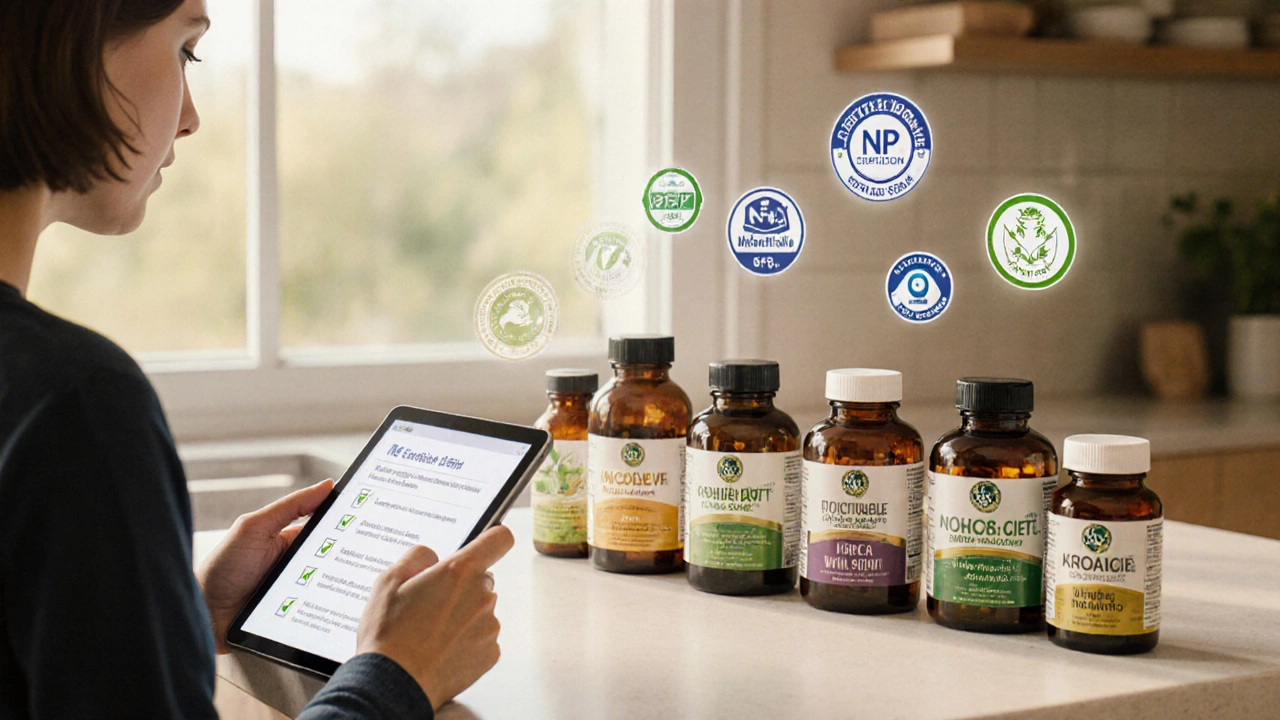
Top Reputable Herbal Supplement Companies in 2025
Learn how to spot the most reputable herbal supplement companies, understand key certifications, and compare top brands like Organic India and Gaia Herbs.
read more