Anesthesia Mistakes: Common Errors, Risks, and How to Stay Safe
When you go under anesthesia, you’re trusting someone else to keep you alive while you’re unconscious. That’s why anesthesia mistakes, errors made during the administration or monitoring of anesthesia that can lead to brain damage, heart failure, or death. Also known as anesthetic errors, they’re among the most feared complications in surgery. These aren’t rare. Studies show that about 1 in 200 patients experience a preventable anesthesia error. Most happen because of miscommunication, fatigue, or skipping basic safety steps—not because the anesthesiologist is incompetent.
Common anesthesia mistakes, errors made during the administration or monitoring of anesthesia that can lead to brain damage, heart failure, or death. Also known as anesthetic errors, they’re among the most feared complications in surgery. include giving the wrong drug, using the wrong dose, failing to check for allergies, or not noticing a blocked airway. One patient was given a muscle relaxant meant for a child. Another had oxygen levels drop for 12 minutes because the monitor wasn’t turned on. These aren’t sci-fi horror stories—they’re documented cases from Indian hospitals. anesthesiologist errors, mistakes made by medical professionals trained to manage anesthesia during surgical procedures. These errors often stem from poor communication, lack of training, or systemic pressure in overburdened hospitals. happen in busy operating rooms where staff are stretched thin. Even a 30-second delay in spotting low blood pressure can turn into permanent brain injury.
It’s not just about what goes wrong during surgery. post-anesthesia complications, health issues that arise after a patient wakes up from anesthesia, including nausea, confusion, breathing problems, or nerve damage. These can last hours or days and sometimes signal deeper problems. are just as dangerous. Many people wake up confused, unable to breathe, or in severe pain because no one checked their oxygen levels or pain management plan. Older patients, diabetics, and those with sleep apnea are at higher risk—but no one is immune. The biggest red flag? If your anesthesiologist doesn’t sit down with you before surgery to ask about your health history, medications, or past reactions to drugs. That’s not normal. That’s a warning sign.
You don’t need to be a doctor to protect yourself. Ask three simple questions before surgery: What drug will you use? Have you checked my allergies? Will someone be with me the whole time? If you get vague answers, push back. Bring a family member. Write down your meds. Speak up. Most anesthesia errors are preventable—not because of bad people, but because of bad systems. The good news? When patients are informed and involved, mistakes drop by up to 40%. The posts below show real stories, checklists, and expert advice on how to spot red flags, what to demand from your care team, and how to recover safely after anesthesia. You’re not powerless. You just need to know what to look for.
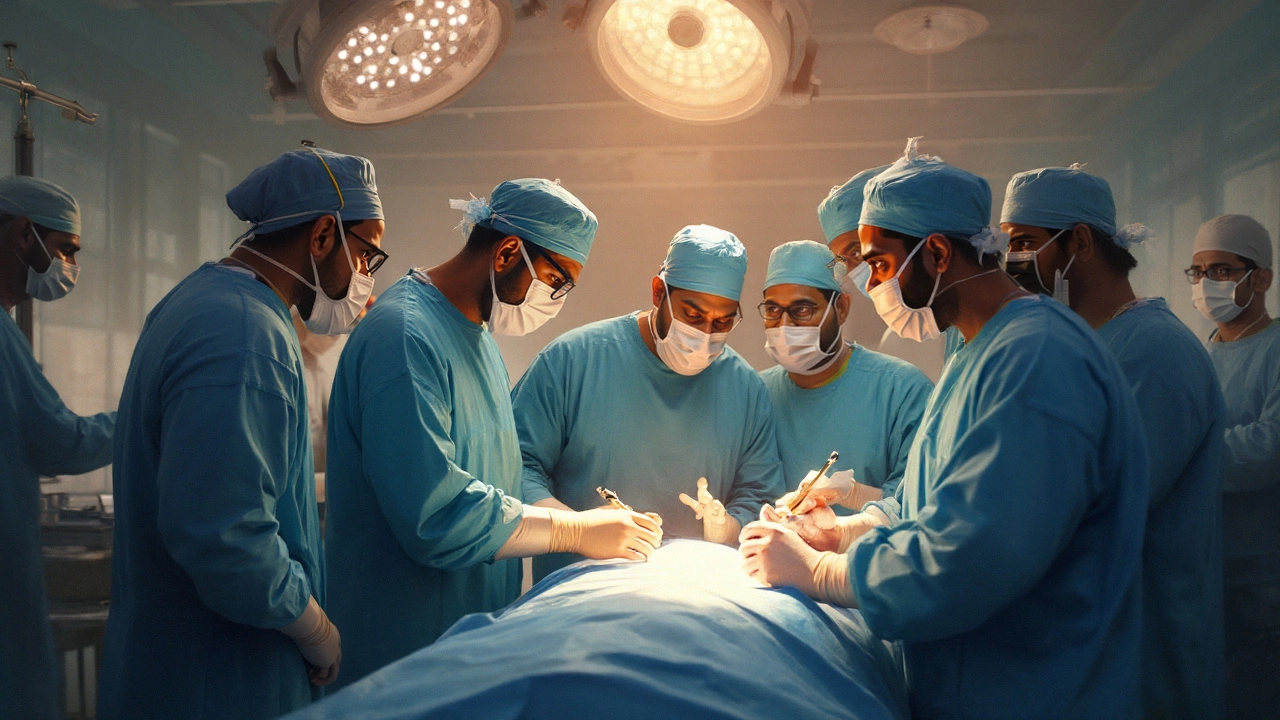
Top Three Surgical Mistakes: Causes, Prevention, and Recovery Tips
Uncover the three biggest surgical mistakes doctors can make, what causes them, and real tips to boost patient safety before and after surgery.
read more