Bone & Joint Specialist Finder
Describe your primary symptom or concern:
Orthopedic Surgeon
Focus: Mechanical & Structural
Rheumatologist
Focus: Inflammatory & Autoimmune
Physiatrist
Focus: Physical Function
Pediatric Orthopedist
Focus: Growing Skeletons
Specialist Name
Detailed description of when to see this doctor.
Quick Guide: Who to See
- Sudden breaks or torn ligaments → Orthopedic Surgeon
- Chronic joint inflammation or autoimmune issues → Rheumatologist
- Post-surgery recovery or movement issues → Physical Therapist
- Children's bone growth or deformities → Pediatric Orthopedist
Understanding the Orthopedic Surgeon
When people ask for a bone doctor, they are usually looking for an orthopedic surgeon is a medical doctor who specializes in the diagnosis, treatment, and surgical prevention of musculoskeletal system disorders. Despite the name, they don't always operate. Many offer non-surgical treatments like bracing, injections, or medication.
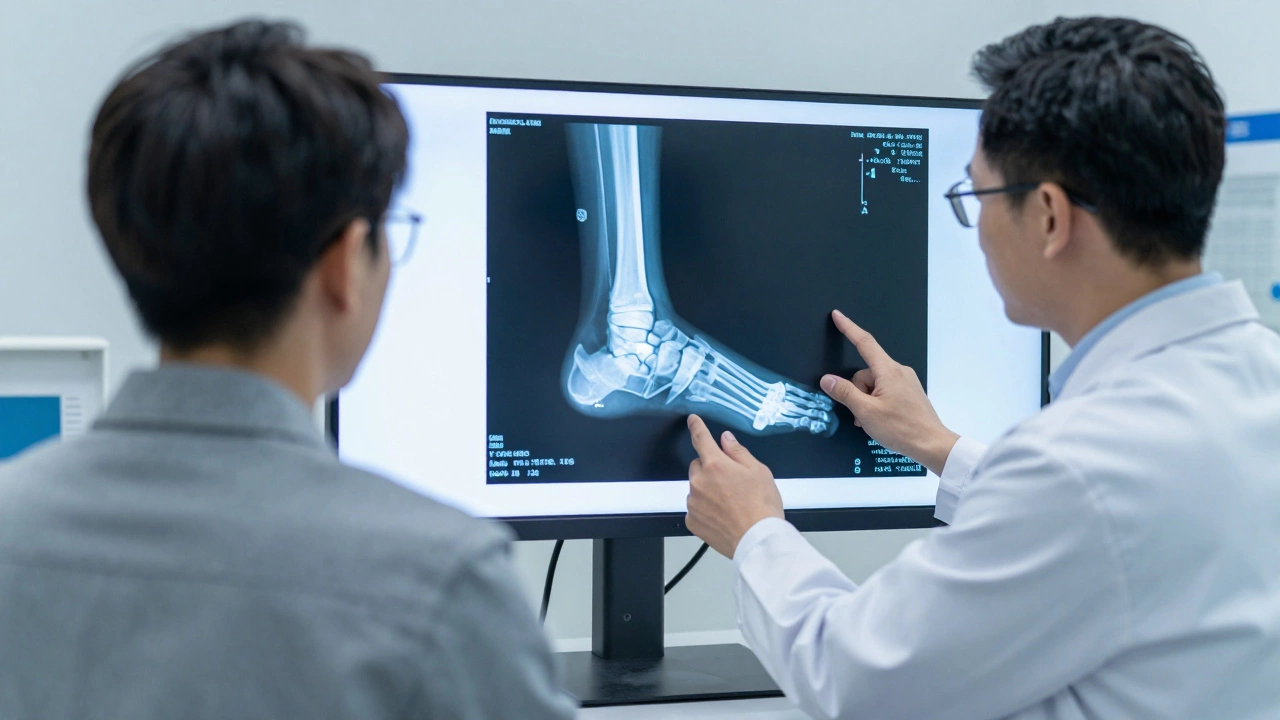
Imagine you've fallen off a ladder and your ankle is twisted at an unnatural angle. This is where an orthopedic surgeon steps in. They deal with the "hard" parts of your body-the bones, joints, ligaments, tendons, and muscles. They use tools like X-rays and MRIs to see exactly where the structural failure is. If a bone is shattered, they might use internal fixation (plates and screws) to hold it together while it heals.
Many of these doctors focus on specific areas. For example, a hand specialist won't spend their day fixing hips. If you have a sports injury, you'll likely see a specialist in sports medicine who understands how a pitcher's elbow or a runner's ACL differs from a general injury.
The Role of the Rheumatologist
Now, let's talk about the common confusion between orthopedics and rheumatology. If your joints are swollen and stiff every morning, but there's no obvious injury, you might actually need a Rheumatologist. A rheumatologist is an internal medicine physician who focuses on systemic autoimmune and inflammatory diseases.
While an orthopedic surgeon is like a carpenter who fixes a broken beam, a rheumatologist is like a chemist who manages the environment to stop the beams from rotting. They treat conditions like Rheumatoid Arthritis, where the body's own immune system attacks the lining of the joints. Since this is a chemical and biological issue rather than a mechanical one, surgery isn't the first answer. Instead, they use biologics and DMARDs (Disease-Modifying Antirheumatic Drugs) to stop the progression of the disease.
Comparing Bone Specialists
| Specialist | Primary Focus | Key Treatments | Typical Patient Case |
|---|---|---|---|
| Orthopedic Surgeon | Mechanical/Structural | Surgery, Casts, Braces | Broken leg, Torn ACL, Hip replacement |
| Rheumatologist | Inflammatory/Autoimmune | Medication, Steroids | Lupus, Rheumatoid Arthritis, Gout |
| Physiatrist | Physical Function | Rehab, Pain Mgmt | Chronic back pain, Stroke recovery |
| Pediatric Orthopedist | Growing Skeletons | Braces, Growth monitoring | Clubfoot, Scoliosis in teens |
When to Visit an Orthopedic Hospital
You might wonder why you should go to a specialized orthopedic hospital instead of a general clinic. A dedicated center has a higher concentration of specialized equipment, such as high-resolution 3D imaging and dedicated robotic surgery suites for joint replacements.
For instance, if you're getting a total knee replacement, a specialized hospital often has a streamlined "fast-track" recovery protocol. This includes specialized nursing staff who only deal with bone surgery and a built-in physical therapy wing. In a general hospital, you might be in a ward with a heart patient and a pneumonia patient; in an orthopedic center, everyone is there for movement recovery, which makes the environment more focused on your specific needs.
Common reasons to head to a specialized center include:
- Complex fractures requiring multiple surgeons.
- Advanced joint replacement using robotic assistance.
- Spine surgery for herniated discs that need microsurgery.
- Comprehensive sports medicine rehab for professional athletes.
The Path to Recovery: Physical Therapy and Physiatry
The surgery is only half the battle. Once the bone is set or the joint is replaced, you enter the world of rehabilitation. This is where Physical Therapy comes in. A physical therapist isn't a medical doctor, but they are an expert in human movement. They use targeted exercises to restore range of motion and strength.
If your recovery is complicated, you might meet a Physiatrist. Also known as a Physical Medicine and Rehabilitation (PM&R) physician, they focus on the whole person. If you've had a major accident, the physiatrist coordinates between the surgeon, the therapist, and the psychologist to get you back to your daily routine. They are the architects of the recovery plan, ensuring you don't overdo it and risk a re-injury.
Red Flags: When to See a Doctor Immediately
Not every ache requires an emergency visit, but some bone and joint symptoms are urgent. You should skip the waiting list and go to the ER or an urgent care orthopedic center if you experience:
- An obvious deformity or bone protruding through the skin.
- Inability to bear weight on a limb immediately after an injury.
- Numbness or a "pins and needles" feeling following a back injury (this could be nerve compression).
- Severe joint swelling accompanied by a high fever (which could indicate a septic joint, a medical emergency).
- A "pop" sound followed by immediate instability in a joint, like the knee.
Waiting too long can lead to permanent stiffness or improper bone healing, known as malunion. In the case of a fracture, the sooner it's aligned, the better the long-term outcome.
Do I need a referral to see an orthopedic surgeon?
It depends on your insurance. Many HMO plans require a referral from a primary care physician. However, if you have a traumatic injury like a broken bone, most emergency rooms will send you directly to an orthopedic specialist without needing a prior appointment.
What is the difference between Osteoarthritis and Rheumatoid Arthritis?
Osteoarthritis is "wear and tear"-the cartilage wears down over time due to age or injury. An orthopedic surgeon usually manages this. Rheumatoid Arthritis is an autoimmune disease where the body attacks the joints. A rheumatologist manages this with medication to stop the immune system's attack.
Will I definitely need surgery if I see an orthopedic surgeon?
No. In fact, many orthopedic surgeons prefer conservative treatments first. This includes physical therapy, corticosteroid injections, bracing, or lifestyle changes. Surgery is typically the last resort when non-invasive methods fail to improve quality of life.
How do I know if my pain is muscle, tendon, or bone?
While it's hard to tell without imaging, bone pain is often deep, aching, and localized. Tendon pain (tendonitis) usually feels like a sharp pull or burn near a joint. Muscle pain is often a dull ache that feels better with stretching. However, only a professional with an X-ray or MRI can give you a definite answer.
What should I bring to my first bone specialist appointment?
Bring any previous X-rays or MRI scans on a CD or digital portal; this prevents the doctor from having to repeat tests. Also, bring a list of your current medications and a timeline of when your pain started and what makes it worse.
Next Steps for Your Recovery
If you are currently in pain, start by documenting your symptoms. Note whether the pain is worse in the morning or after activity. This data is gold for your doctor and helps them decide if you need a rheumatologist or an orthopedic surgeon.
For those recovering from surgery, focus on the "small wins." Don't skip your physical therapy sessions even if the pain is gone; the goal is long-term stability, not just the absence of pain. If you're choosing a facility, look for those with board-certified surgeons and a high volume of the specific procedure you need, as experience directly correlates with better outcomes.

Write a comment