
Weight Loss Medication Eligibility Checker
This tool helps you determine if you might be eligible for prescription weight loss medications based on FDA-approved criteria and medical guidelines. Remember: prescription weight loss medications are not a magic solution and must be used under medical supervision.
Input Your Information
Health Conditions
Enter your information above and click "Check Eligibility" to see if you might qualify for prescription weight loss medications.
There’s no magic pill that melts away fat overnight. But if you’ve scrolled through social media or clicked on a YouTube ad promising ‘#1 weight loss pill’, you’ve probably wondered: is there one that actually works? The short answer is yes - but not the way you think.
There’s no single ‘#1’ weight loss pill
The idea of one top weight loss pill is a marketing myth. No single pill works for everyone. What works for a 45-year-old woman with insulin resistance might do nothing for a 30-year-old man with a sedentary job. The truth? Weight loss pills are tools - not solutions. And they only help when used the right way.
In 2025, the U.S. FDA has approved five prescription weight loss medications for long-term use: semaglutide (Wegovy), liraglutide (Saxenda), phentermine-topiramate (Qsymia), naltrexone-bupropion (Contrave), and orlistat (Xenical). These aren’t over-the-counter supplements. They’re drugs with real side effects, medical oversight, and clinical data backing them.
Among these, semaglutide (Wegovy) has shown the strongest results in clinical trials. People lost an average of 15% of their body weight over 68 weeks when combined with diet and exercise. That’s not magic. That’s science. But it’s also expensive - around $1,300 a month in the U.S., and not always covered by insurance. In India, generic versions are available through specialized clinics, but they still require a doctor’s prescription and regular monitoring.
What about OTC weight loss supplements?
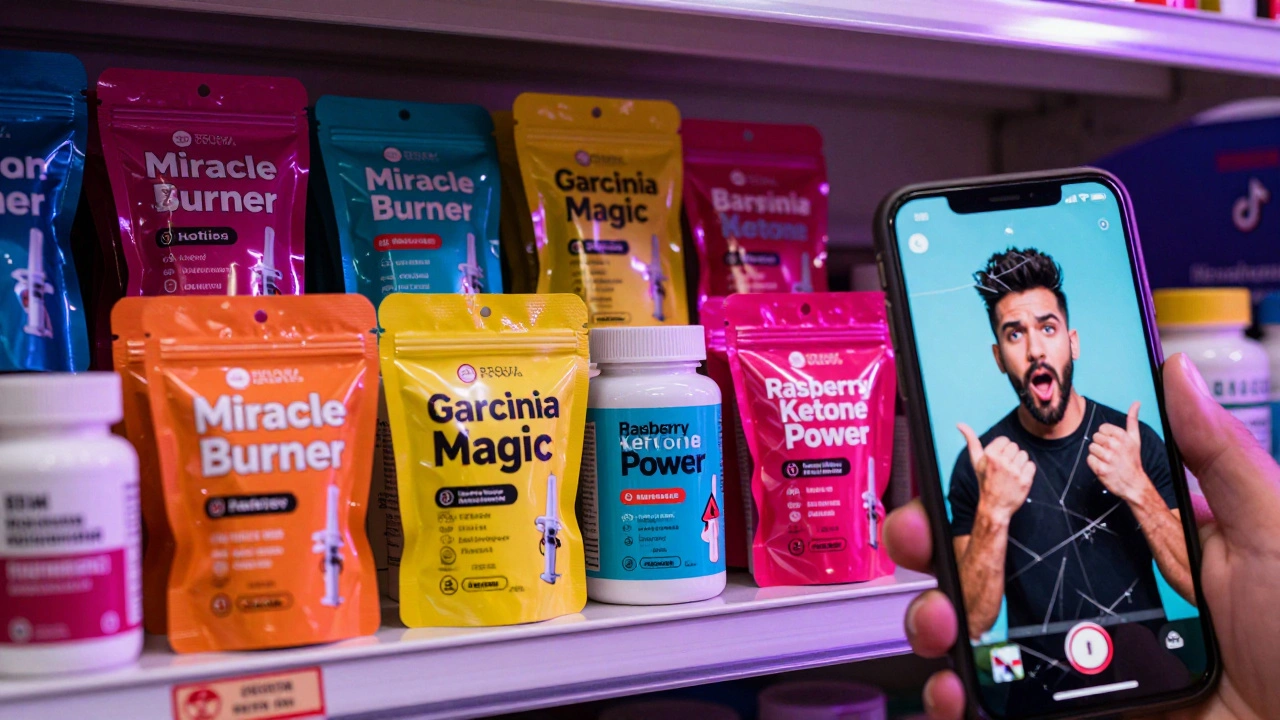
Amazon, Flipkart, and local pharmacies are flooded with ‘natural’ weight loss pills: green tea extract, garcinia cambogia, raspberry ketones, apple cider vinegar capsules. These are not drugs. They’re dietary supplements. That means they don’t need FDA approval before hitting shelves. And in India, the FSSAI doesn’t require proof of effectiveness for most weight loss supplements.
A 2023 study by the Indian Council of Medical Research tested 47 popular weight loss supplements sold online. Nearly 60% contained undeclared pharmaceutical ingredients - including banned stimulants like sibutramine and fenfluramine. These can raise your blood pressure, cause heart palpitations, or even trigger strokes. One woman in Pune was hospitalized after taking a ‘miracle’ pill she bought from a TikTok influencer. It had hidden phentermine - a controlled substance.
Don’t trust labels that say ‘100% natural’ or ‘clinically proven’. There’s no standard for those claims. If a supplement promises rapid weight loss without diet changes, it’s either lying or dangerous.
Weight loss clinics are where real progress happens
If you’re serious about losing weight, a weight loss clinic is the safest and most effective place to start. These aren’t just pharmacies with a doctor’s signature. Reputable clinics in Bangalore, Delhi, and Mumbai offer integrated care: medical evaluation, blood tests, hormone checks, nutrition counseling, behavioral therapy, and ongoing monitoring.
At a good clinic, you won’t be handed a pill on your first visit. You’ll be asked about your sleep, stress levels, medications, past diets, and family history. Why? Because weight gain isn’t just about calories in and calories out. Hormones like leptin, ghrelin, cortisol, and insulin all play a role. A 2024 study from Apollo Hospitals found that 72% of patients struggling with weight loss had underlying hormonal imbalances - not lack of willpower.
Doctors at these clinics don’t push pills. They assess if you qualify for FDA-approved medications. They check your liver, kidneys, and heart health first. They track your progress monthly. They adjust your plan if you’re not losing weight - or if you’re losing too fast.
One patient, a 52-year-old teacher from Koramangala, lost 22 kg over 10 months. She didn’t take a single supplement. She got a prescription for semaglutide after her doctor found her insulin resistance was worsening. With weekly coaching on portion control and walking 8,000 steps a day, she reversed prediabetes. Her story isn’t rare. It’s routine at clinics that treat weight as a medical condition - not a cosmetic fix.
The real #1 weight loss tool isn’t a pill
Even the most effective weight loss drugs only work if you change your habits. Semaglutide reduces hunger, but it doesn’t make you eat salads. It doesn’t replace your 3 p.m. chips habit. It just makes it easier to say no.
Studies show that people who combine prescription weight loss meds with lifestyle changes lose 2-3 times more weight than those who rely on the pill alone. The pill is a helper - not a replacement.
And here’s what no ad will tell you: weight loss pills can stop working. Your body adapts. You might hit a plateau. That’s normal. At a clinic, your doctor can switch your medication, adjust your dose, or add behavioral therapy. In a pharmacy? You’ll just buy another bottle - and waste more money.
Who should consider a weight loss pill?
Not everyone needs or should take a prescription weight loss drug. They’re meant for people with:
- A BMI of 30 or higher (obesity)
- A BMI of 27 or higher with weight-related health issues like high blood pressure, type 2 diabetes, or sleep apnea
- Failed attempts at losing weight through diet and exercise alone
If you’re only 5-10 kg overweight and healthy, you don’t need a pill. You need better sleep, less stress, and more movement. Walking 40 minutes a day, cutting sugary drinks, and eating protein at every meal will get you further than any capsule.
But if you’ve tried everything and your weight keeps creeping up - especially if you’re tired, hungry all the time, or have a family history of diabetes - then a medical evaluation is your next step. Not a Google search. Not a YouTube video. A doctor.

What to avoid at all costs
Steer clear of:
- Products labeled ‘miracle’, ‘instant’, or ‘guaranteed’
- Pills sold without a prescription
- Supplements with foreign-sounding names or unclear ingredients
- Online sellers who ask for payment in crypto or UPI without receipts
- Testimonials with before-and-after photos that look photoshopped
If the price seems too good to be true - it is. A real weight loss program costs time, effort, and sometimes money. But it doesn’t cost your health.
The bottom line
The #1 weight loss pill doesn’t exist - but the #1 weight loss strategy does: medical guidance + lifestyle change. Prescription medications like semaglutide are powerful tools, but only when used under supervision. Supplements are risky and often useless. DIY weight loss leads to rebound weight gain in 80% of cases, according to the American Journal of Clinical Nutrition.
If you’re tired of cycling through diets and feeling discouraged, don’t blame yourself. Blame the system that sells quick fixes. The real solution isn’t in a bottle. It’s in a clinic, with a doctor who listens, a nutritionist who understands your culture, and a plan built for your life - not a TV commercial.
Start with a check-up. Not a pill. Your body will thank you.
Are weight loss pills safe?
Prescription weight loss medications like semaglutide and liraglutide are FDA-approved and safe when used under medical supervision. But over-the-counter supplements are not regulated and often contain hidden, dangerous ingredients. Always consult a doctor before taking any weight loss product.
Can I buy weight loss pills online in India?
You can buy prescription weight loss drugs online only if you have a valid prescription from a licensed doctor. Many websites sell counterfeit or contaminated versions. Buying without a prescription is illegal and risky. Always get medications from registered clinics or pharmacies with a doctor’s note.
Do weight loss pills work without diet and exercise?
No. Even the most effective drugs like Wegovy only help you lose weight when paired with healthy eating and physical activity. Studies show people who combine medication with lifestyle changes lose twice as much weight as those who rely on the pill alone.
What’s the difference between a weight loss clinic and a gym?
A gym helps you move your body. A weight loss clinic treats the medical reasons behind weight gain - like hormones, insulin resistance, or thyroid issues. Clinics offer blood tests, prescriptions, nutrition plans, and ongoing care. Gyms offer workouts. For lasting results, you need both - but the clinic comes first if your weight is tied to health problems.
How long do I need to take weight loss pills?
Most doctors recommend continuing weight loss medication as long as it’s helping and you’re not experiencing serious side effects. Stopping the drug often leads to weight regain. Think of it like blood pressure medicine - you don’t stop because you feel better. You stop because your doctor says it’s safe to.
Are there natural alternatives to weight loss pills?
Yes - but they’re not pills. Sleep better, manage stress, eat protein-rich meals, drink water before meals, and walk daily. These are proven, free, and safe. No supplement matches the results of consistent lifestyle changes. If someone claims a herbal pill works better, they’re selling you a myth.

Write a comment