Skin Care: Natural Remedies, Ayurveda, and Science-Backed Tips for Healthy Skin
When it comes to skin care, the daily practices and products used to maintain and improve the health and appearance of the skin. Also known as dermatological wellness, it’s not just about creams and cleansers—it’s about what you eat, how you sleep, and the traditions that have worked for centuries. In India, skin care has always been tied to balance. Ayurveda doesn’t treat acne or dryness as isolated problems. It sees them as signs of internal imbalance, often linked to digestion, stress, or dosha mismatch.
That’s why Ayurvedic skin care, a holistic approach using herbs, oils, and lifestyle routines based on your body type. Also known as dosha-based skincare, it has gained global attention. Turmeric, neem, sandalwood, and aloe vera aren’t just trendy ingredients—they’re time-tested. Studies show curcumin in turmeric reduces inflammation linked to acne and eczema. When paired with black pepper and a healthy fat, its absorption spikes. You don’t need expensive serums if your skin is getting the right internal support.
Herbal skin treatments, natural remedies derived from plants used to soothe, heal, or protect the skin. Also known as botanical dermatology, it works best when aligned with your body’s rhythm. An Ayurvedic cleanse, for example, isn’t just about detoxing your gut—it clears toxins that show up as rashes or dullness. The same foods that balance your digestion also clear your complexion. Skip harsh scrubs if your skin is sensitive. Instead, try a gentle wash with gram flour and turmeric. It’s cheaper, safer, and used by millions in rural India daily.
Modern skin care often ignores the connection between stress and breakouts. But if you’ve ever noticed a flare-up after a bad night’s sleep or a stressful week, you already know. The 3-3-3 rule for anxiety? It helps your skin too. Less stress means lower cortisol, which means less oil production and fewer clogged pores. And if you’re using supplements, make sure they’re from reputable brands. Many herbal products are diluted or fake. Look for GMP certification—it’s your guarantee of quality.
Weight loss and skin care are more linked than you think. Losing weight fast can leave skin loose or dry. But slow, steady change—like the kind seen in Melissa McCarthy’s journey—gives your skin time to adapt. Drinking green tea or apple cider vinegar isn’t just for metabolism. These drinks flush out toxins that dull your glow. And if you’re on metformin for diabetes, watch for skin changes. Some users report dark patches or rashes. It’s not always the drug—it’s often a sign your liver or gut needs attention.
You don’t need a dermatologist for every bump or patch. Many skin issues can be managed at home with the right knowledge. But knowing when to stop self-treating matters. If a rash spreads, burns, or doesn’t fade in two weeks, see a doctor. Ayurveda doesn’t reject modern medicine—it complements it. The best skin care routine today blends ancient wisdom with science-backed facts. It’s about consistency, not quick fixes.
Below, you’ll find real guides on what actually works: how to use turmeric for glowing skin, why food combinations matter for your complexion, how to choose safe herbal products, and what to avoid if you want clear skin without side effects. No fluff. Just what your skin needs to thrive.
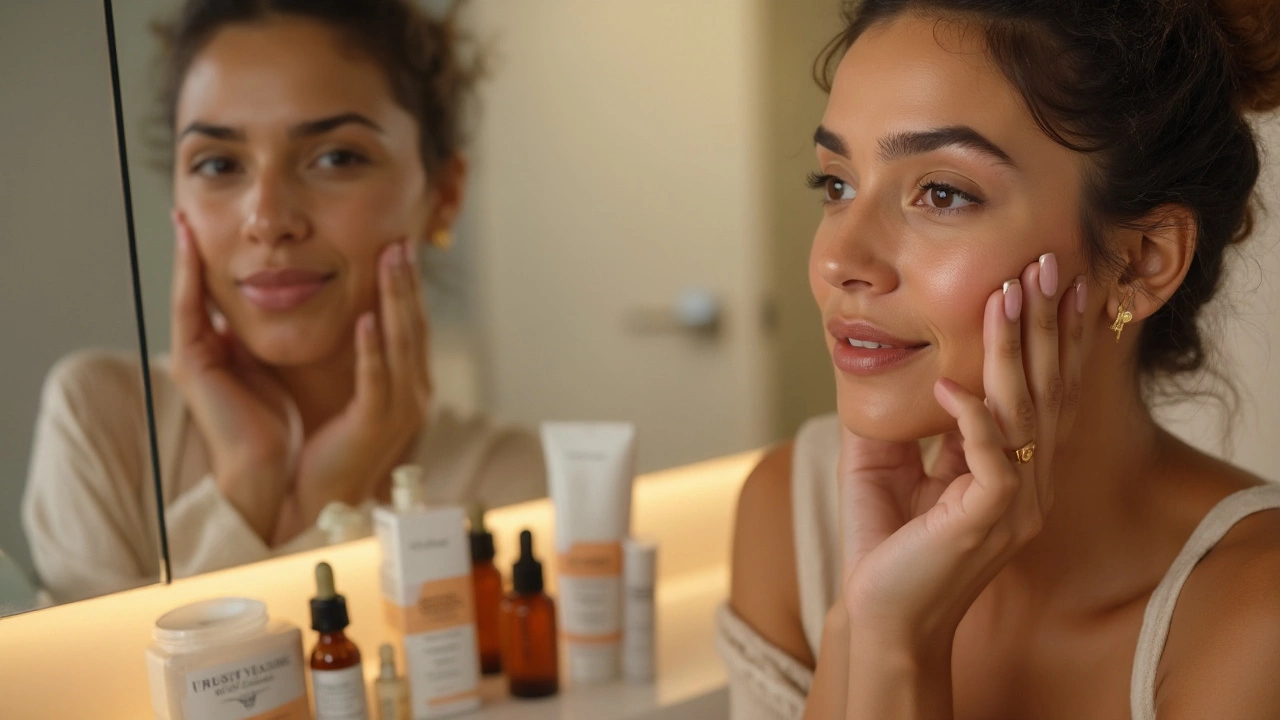
Best Anti-Aging Skin Treatments for a Youthful Glow
Navigating the world of anti-aging skin treatments can be overwhelming, with a myriad of options promising to turn back the clock. From topical retinoids that rejuvenate skin texture, to advanced laser therapies and injectables like Botox—each method offers unique benefits and drawbacks. Identifying the most effective treatment depends largely on individual skin types and concerns. This guide breaks down popular anti-aging treatments, offering insights to help you choose the best path to radiant, youthful skin.
read more