Pharmacy Costs: What You Really Pay for Medicines in India
When you walk into a pharmacy in India, pharmacy costs, the total price you pay for prescription and over-the-counter medicines. Also known as drug pricing, it’s not just about the pill—it’s about who makes it, where it’s sold, and whether you’re paying for the brand or the chemistry. Many people assume all medicines are cheap here, but that’s only half true. A branded diabetes drug might cost ₹800 a month, while its generic version costs ₹80. The difference isn’t in effectiveness—it’s in marketing, patents, and where you buy it.
What drives these differences? generic drugs, medicines with the same active ingredient as branded versions but sold under their chemical name. Also known as unbranded medicines, they’re often 80–90% cheaper and just as safe. The Indian government encourages their use, but pharmacies don’t always push them. Why? Higher profit margins on branded drugs. Then there’s online pharmacy, digital platforms that deliver medicines directly to your door, often at lower prices than local stores. Also known as telepharmacy, they’ve become a lifeline for people in small towns and those avoiding crowded clinics. But not all are trustworthy. Some sell expired stock or fake versions. The key is knowing which ones are registered and require a valid prescription.
Pharmacy costs also change based on what you need. A month’s supply of Metformin? ₹20–₹50. Ozempic? Over ₹10,000. Wegovy? Even more. And if you’re looking for herbal supplements like turmeric or ashwagandha, prices swing wildly—from ₹100 to ₹1,500—depending on the brand, purity, and packaging. You’re not just buying medicine; you’re buying trust. That’s why checking certifications like GMP or FSSAI matters more than the label.
Here’s the truth: you don’t have to overpay. Many people in India are learning to ask for the generic version first. Others are switching to verified online pharmacies to save on chronic meds. Some even compare prices across five stores before buying. It takes a little effort, but it saves hundreds every month. You’re not being cheap—you’re being smart.
Below, you’ll find real guides on how to spot trustworthy online pharmacies, what to ask your pharmacist, how generic drugs compare to branded ones, and which medicines are overpriced—and which are unfairly cheap. No fluff. Just what works.
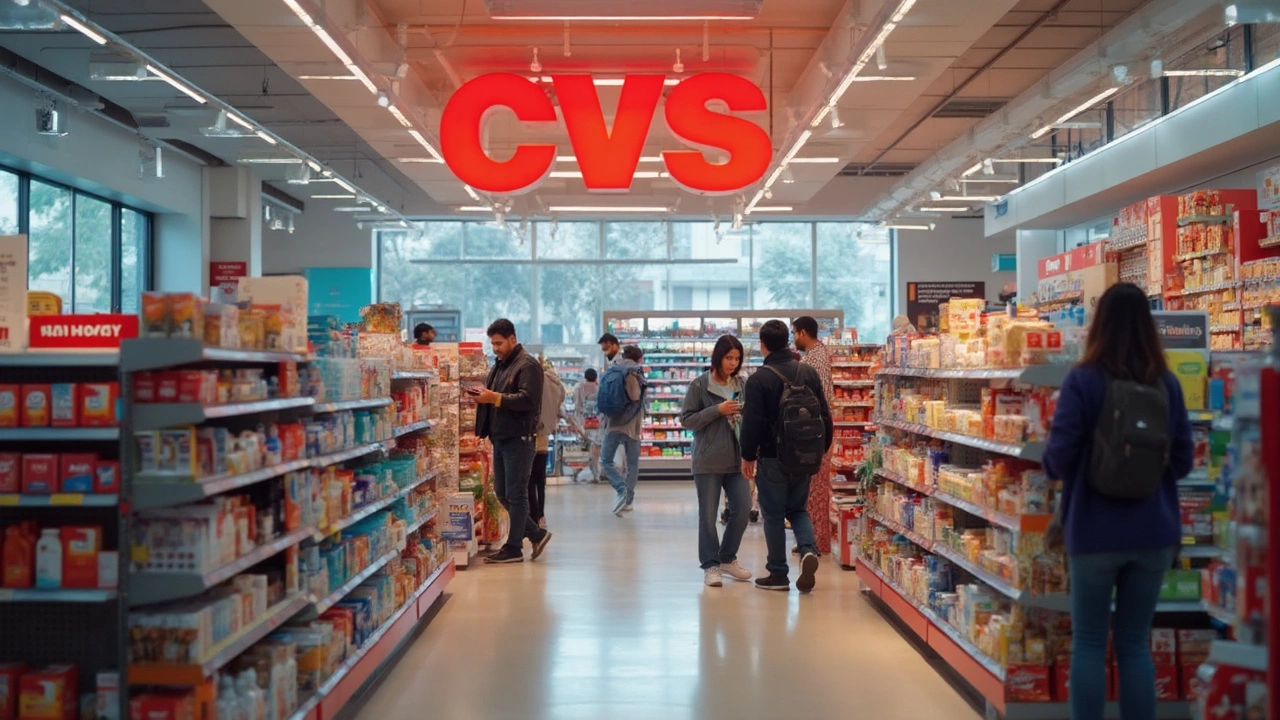
Why Is CVS Pharmacy So Expensive?
CVS Pharmacy is often considered expensive, leading customers to wonder why this is the case. The article explains the factors that contribute to the high prices, including brand value, convenience, and operating costs. It explores the competitive landscape of pharmacies and how CVS differentiates itself. Tips are offered for consumers to save money on prescriptions and make informed choices.
read more