Most Brutal Mental Illness: Understanding the Hardest Conditions to Live With
When we talk about the most brutal mental illness, a condition that shatters identity, perception, and the ability to connect with reality. Also known as severe psychiatric disorders, it’s not a single diagnosis but a cluster of illnesses that strip away control, clarity, and peace—often without warning. This isn’t about feeling down for a few days. This is waking up and not recognizing your own thoughts, hearing voices that feel more real than your own name, or being trapped in a body that refuses to move while your mind screams.
Take schizophrenia, a disorder where the brain misfires signals, leading to hallucinations, delusions, and fragmented thinking. It doesn’t just affect mood—it rewires how a person experiences the world. Someone with schizophrenia might believe they’re being watched, that their thoughts are being stolen, or that strangers are speaking directly to them through the TV. And unlike temporary stress or anxiety, these aren’t episodes you can shake off with rest. They’re persistent, often lifelong, and rarely visible to others until it’s too late.
Then there’s bipolar disorder, a rollercoaster between crushing despair and dangerous, reckless euphoria. One week, a person can’t get out of bed. The next, they’re spending their life savings, quitting their job, or believing they can fly. The swings aren’t dramatic for show—they’re biological, driven by brain chemistry no willpower can fix. And the worst part? Many don’t realize they’re ill until they’ve lost everything.
Severe depression doesn’t just feel sad—it feels like being buried alive. People describe it as a weight on the chest, a fog that blocks joy, and a voice whispering that death is the only relief. When it’s paired with psychosis, like in psychotic depression, the mind starts inventing horrors: believing you’re rotten, that your organs are rotting, or that you’ve committed unspeakable crimes. These aren’t thoughts you can reason away. They’re symptoms.
What makes these illnesses so brutal isn’t just the pain—it’s the silence around them. Society tells you to snap out of it, to try harder, to be positive. But you can’t think your way out of a brain that’s broken. Medications help, but they’re not magic. Therapy helps, but only if you can afford it, find it, and trust it. And even then, some people still lose the battle.
The posts below don’t sugarcoat this. They show the quiet wars inside minds that no X-ray can prove. You’ll find real stories about early warning signs of schizophrenia, how psychosis hides in plain sight, and why some people wait years before getting help. You’ll learn what treatments actually work, what doesn’t, and how families cope when the person they love disappears behind a diagnosis. These aren’t abstract medical facts—they’re lived experiences, documented by people who’ve been there.
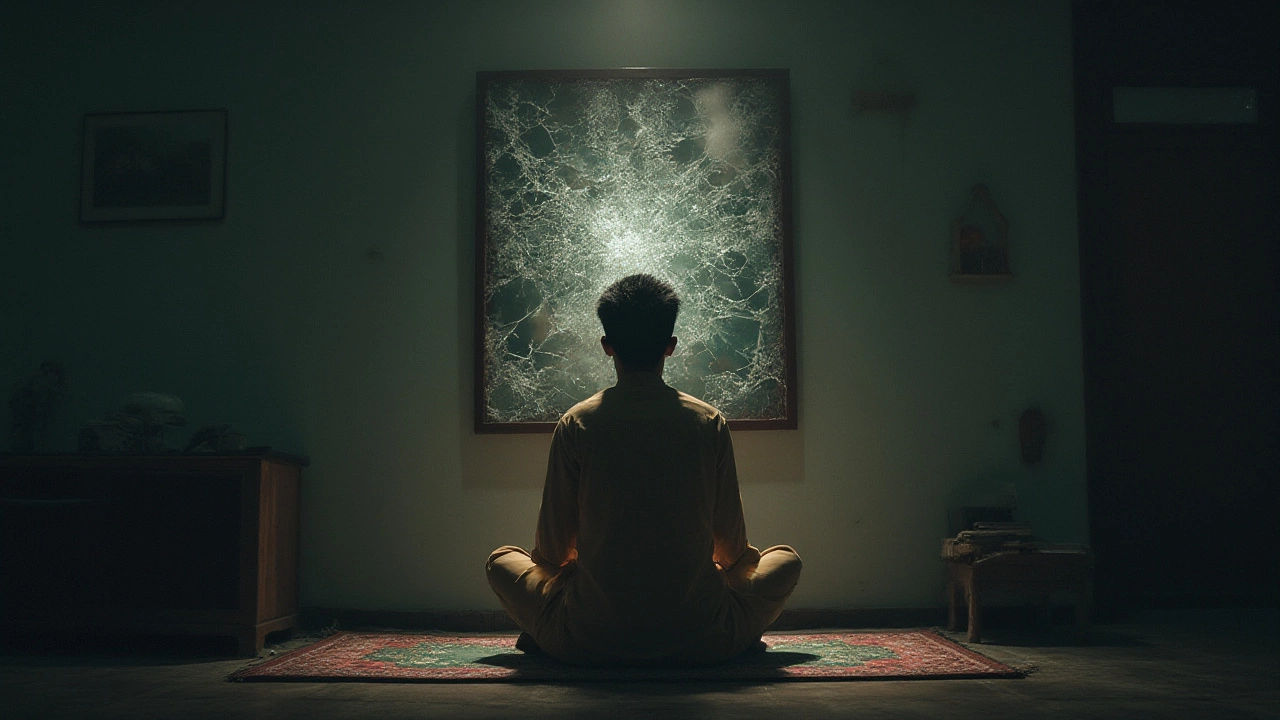
The Most Brutal Mental Illness: Realities, Myths, and Truths About Schizophrenia
Discover what makes schizophrenia uniquely brutal among mental illnesses, breaking down myths, sharing real stories, and tips for understanding and coping.
read more