Knee Surgery Delay: What Happens When You Wait Too Long
When you put off knee surgery delay, the decision to postpone joint replacement due to fear, cost, or misinformation. Also known as delayed knee replacement, it often leads to worse outcomes than early intervention. Many people think waiting will help them avoid surgery altogether, but the truth is simple: the longer you wait, the more damage builds up.
Your knee isn’t just a hinge—it’s a complex system of bone, cartilage, ligaments, and fluid. When osteoarthritis wears down the cushioning, your bones start grinding together. That’s not just pain—it’s permanent wear. Studies show people who wait more than a year after symptoms become severe often lose muscle strength, develop balance problems, and end up needing longer rehab. Even worse, some can’t fully recover mobility even after surgery because their body adapted to moving wrong.
It’s not just about pain. Delaying knee surgery affects your whole life. You stop walking, then stop climbing stairs, then stop leaving the house. That’s when other problems creep in—weight gain, depression, sleep issues. And if you’re diabetic or have heart disease, staying inactive makes those conditions harder to manage. osteoporosis, a condition where bones become weak and brittle often goes hand-in-hand with long-term knee pain, making falls and fractures more likely. Meanwhile, joint replacement timing, the ideal window to act before irreversible damage occurs is usually between 6 to 18 months after pain starts limiting daily life—not years later.
Some try braces, shots, or herbal supplements like turmeric to buy time. They help a little, but they don’t fix the root problem. The cartilage doesn’t grow back. The bone doesn’t smooth out. And every step you take on a damaged knee adds stress to your hips, back, and other joints. You’re not avoiding surgery—you’re just shifting the pain elsewhere.
There’s no magic age or perfect moment. But if you’re limping, needing painkillers daily, or skipping activities you love, it’s time to talk to a specialist. Waiting for the pain to get "worse" is a trap. It’s already bad enough to hurt your body long-term. The goal isn’t to avoid surgery—it’s to get it done before your body pays the price.
Below, you’ll find real stories and expert advice on what happens when knee surgery is delayed, how to know when it’s time to act, and what alternatives might help you move better while you decide.
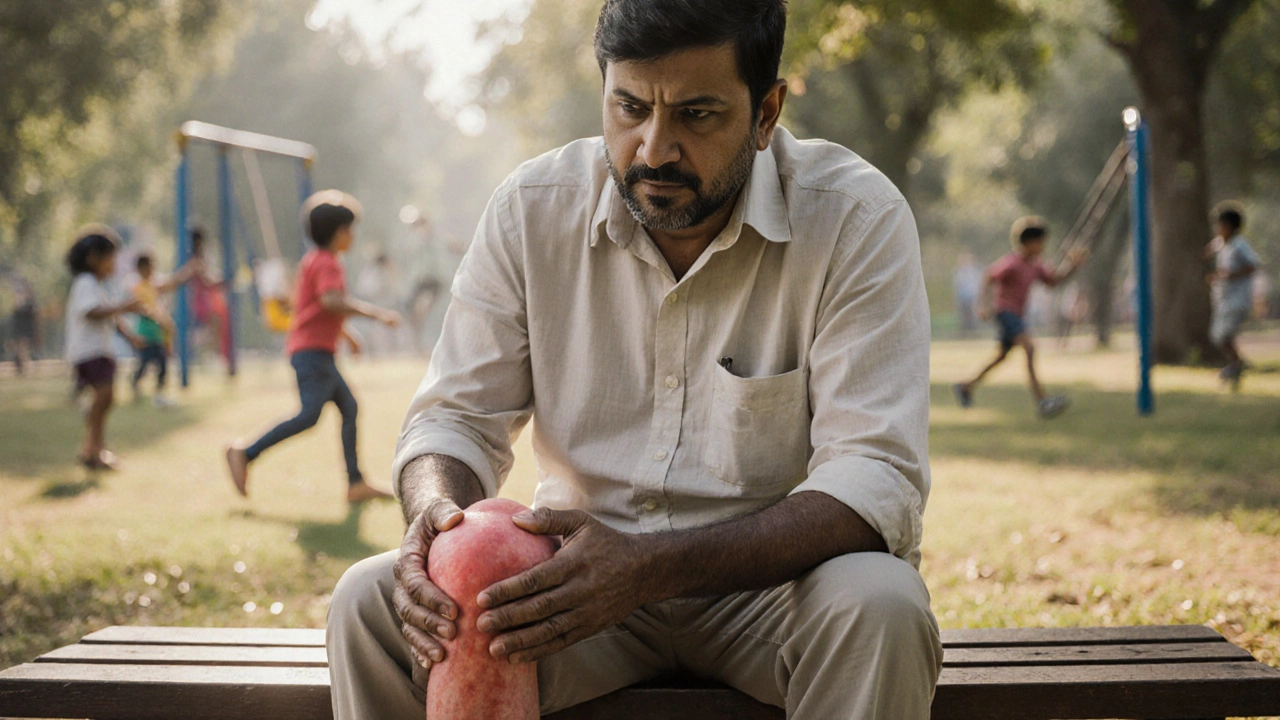
Risks of Delaying Knee Surgery: What to Expect
Delaying knee replacement can worsen pain, increase complications, and make surgery harder. Learn the risks, signs to act, and how to manage while you wait.
read more