Delayed Knee Surgery Complications: Risks, Signs, and What to Do
When delayed knee surgery, the postponement of a medically recommended knee procedure due to insurance issues, waiting lists, or patient hesitation. Also known as knee surgery deferral, it can turn a manageable condition into a life-altering one. Many people think waiting a few months won’t hurt—but that’s not true. Every week without treatment increases the risk of permanent damage. The knee isn’t just a joint—it’s a system of cartilage, ligaments, and muscles that weaken fast when underused or in pain. Studies show that patients who wait over six months for knee replacement often lose up to 30% of their thigh muscle mass, making recovery longer and less effective.
One of the biggest dangers of delayed knee surgery, the postponement of a medically recommended knee procedure due to insurance issues, waiting lists, or patient hesitation is chronic pain, persistent discomfort that becomes wired into the nervous system over time. Pain that starts as a dull ache can turn into a constant, burning sensation that doesn’t go away even after surgery. This isn’t just about discomfort—it’s about your brain learning to expect pain. Then there’s joint degeneration, the progressive breakdown of cartilage and bone structure in the knee. The longer you wait, the more the bones grind against each other, leading to bone spurs, misalignment, and sometimes even deformity. You might end up needing more complex surgery—or worse, never regaining full mobility.
People often ignore early signs like swelling that won’t go down, stiffness after sitting for 10 minutes, or needing a cane just to walk to the mailbox. These aren’t normal aging signs—they’re red flags. If you’ve been told you need knee surgery and are putting it off, ask yourself: are you avoiding the procedure because of fear, cost, or misinformation? The truth is, delaying surgery rarely saves money. It often leads to more doctor visits, stronger pain meds, physical therapy that doesn’t help, and eventually, a longer hospital stay with higher costs.
Some of the most common complications from waiting include muscle atrophy, the wasting away of leg muscles due to lack of use, balance problems, increased risk of falls from weakened legs, and even mental health decline, depression and anxiety from chronic pain and loss of independence. These aren’t side effects—they’re direct results of delay. And once they set in, they’re harder to reverse than the original knee problem.
You don’t have to wait for the pain to be unbearable before acting. If your doctor says surgery is needed, getting it done sooner gives you the best shot at returning to walking, climbing stairs, and playing with your grandkids without limits. The posts below cover real stories, recovery tips, and what to watch for after surgery—so you’re not left guessing when things go wrong.
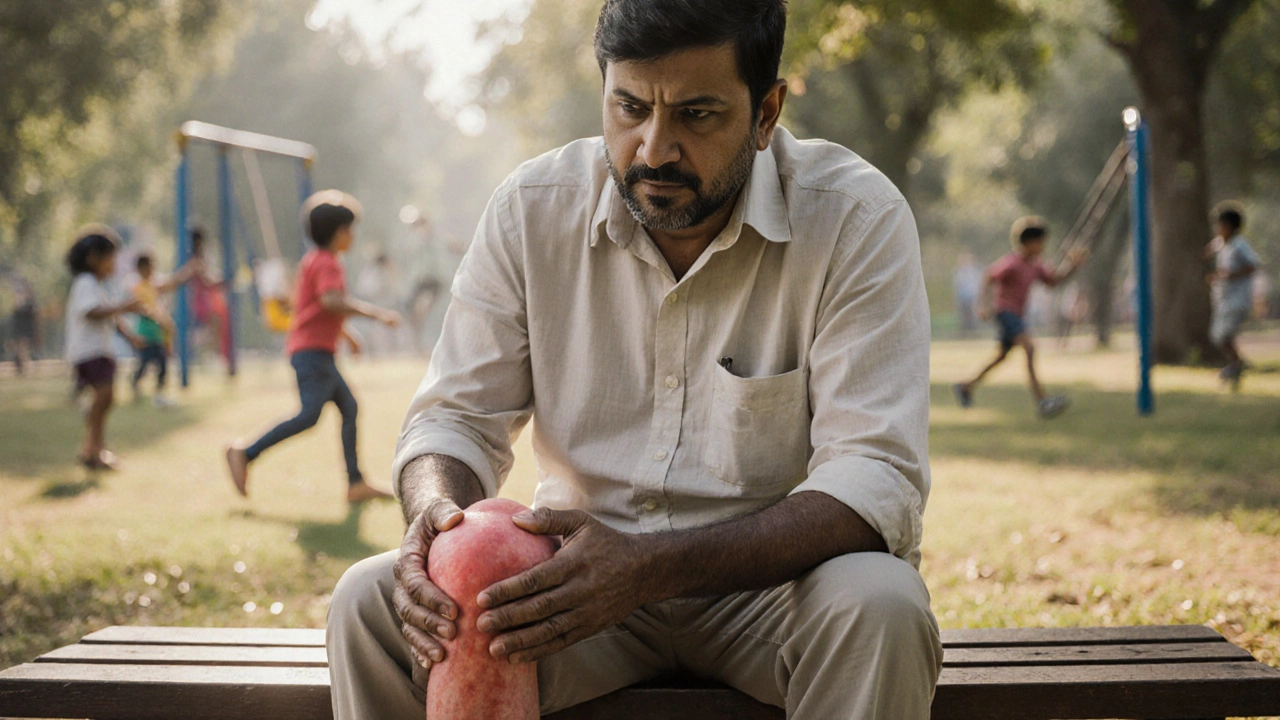
Risks of Delaying Knee Surgery: What to Expect
Delaying knee replacement can worsen pain, increase complications, and make surgery harder. Learn the risks, signs to act, and how to manage while you wait.
read more