Cancer Treatment Challenges in India: What Patients Really Face
When someone is diagnosed with cancer treatment challenges, the obstacles patients face beyond the disease itself—like cost, access, and systemic gaps in care. Also known as barriers to cancer care, these issues shape survival outcomes more than many realize. In India, getting treatment isn’t just about finding a doctor. It’s about navigating a system where a single round of chemotherapy can cost more than a year’s income for many families.
Many patients delay care because they don’t recognize early symptoms, or they’re afraid of what treatment might cost. chemotherapy side effects, the physical toll of cancer drugs—nausea, fatigue, hair loss, and immune weakness often push people to quit treatment mid-course. Others travel hundreds of kilometers to urban hospitals, only to find long waits, overcrowded wards, and staff stretched too thin. Even when treatment starts, stage 4 cancer treatment, care for advanced cancer where cure is unlikely and focus shifts to comfort and quality of life is rarely discussed openly. Families are left guessing: Is more chemo worth it? Should we try something cheaper? Is there a better way?
What’s missing isn’t just medicine—it’s support. Many patients don’t know about palliative care India, specialized care focused on relieving pain and stress, not curing cancer. They’re told to fight, but no one tells them how to live well while fighting. And while some hospitals offer free or subsidized care, the paperwork, distance, and waiting lists make it feel impossible. The truth? Survival isn’t just about the latest drug or the best hospital. It’s about whether you can afford to show up, keep going, and feel heard.
Below, you’ll find real stories and clear facts about what cancer treatment looks like in India—not the glossy brochures, but the messy, expensive, emotional reality. From how families decide between chemo and comfort, to why so many skip screening, to what actually helps people live longer with dignity—this collection cuts through the noise. You’ll find what works, what doesn’t, and what no one talks about until it’s too late.
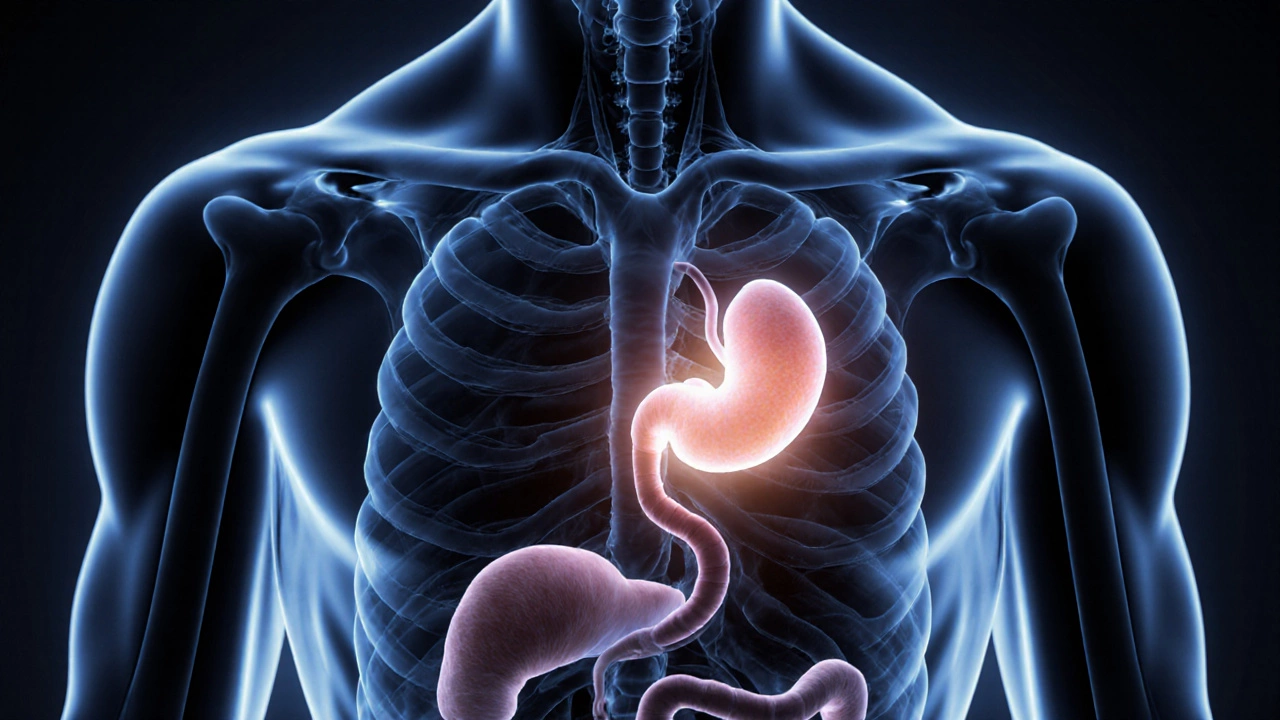
What Are the Deadliest Cancers and Why They’re So Hard to Treat?
Pancreatic, lung, liver, esophageal, and ovarian cancers are the deadliest due to late detection and poor treatment options. Learn why they're so dangerous and what you can do to reduce your risk.
read more