Cancer Therapy: What Works, What Doesn’t, and What You Need to Know
When you hear cancer therapy, the medical approaches used to treat cancer, including chemotherapy, radiation, surgery, immunotherapy, and palliative care. Also known as cancer treatment, it isn’t just about killing cells—it’s about managing a disease that behaves differently in every person. Some therapies shrink tumors. Others ease pain. Some extend life by months. A few give years. And too often, they come with side effects that change how you live, not just how long you live.
Not all chemotherapy, a drug-based treatment that targets fast-growing cells, often used in early and advanced cancer is created equal. For stage 4 cancer, chemo might buy time, but it won’t cure. A 2023 study in the Indian Journal of Cancer showed that for pancreatic cancer, chemo extended survival by an average of 6 to 11 months—barely enough to plan a family trip, let alone a future. Meanwhile, palliative care, a specialized approach focused on improving quality of life for people with serious illness, regardless of prognosis isn’t giving up. It’s choosing comfort over cruelty. In India, where access to advanced drugs is uneven, palliative care is often the only realistic option—and yet, it’s still misunderstood as a last resort instead of a core part of care.
Cancer therapy today also includes targeted therapy, treatments designed to attack specific genetic mutations in cancer cells, often with fewer side effects than chemo. But these drugs only work if your tumor has the right mutation—and testing for them isn’t always available or affordable. That’s why so many people in India rely on older, broader treatments. And while immunotherapy is changing outcomes for some lung and skin cancers, it’s still out of reach for most due to cost and infrastructure limits.
What really matters isn’t just the therapy—but when you start it, how your body responds, and whether you have support to handle the fallout. Early detection can turn a deadly cancer into a manageable condition. Lifestyle choices—like quitting smoking, eating real food, and staying active—don’t cure cancer, but they help your body fight better. And sometimes, the most powerful part of cancer therapy is knowing your options, asking the right questions, and refusing to be rushed into something that won’t help.
The posts below don’t sugarcoat things. They show you what stage 4 chemo really does, why some cancers are harder to treat than others, and how survival isn’t just about medicine—it’s about timing, access, and personal choice. You’ll find real talk on what works, what doesn’t, and what no one tells you until it’s too late. No fluff. No hype. Just what you need to understand your path forward.
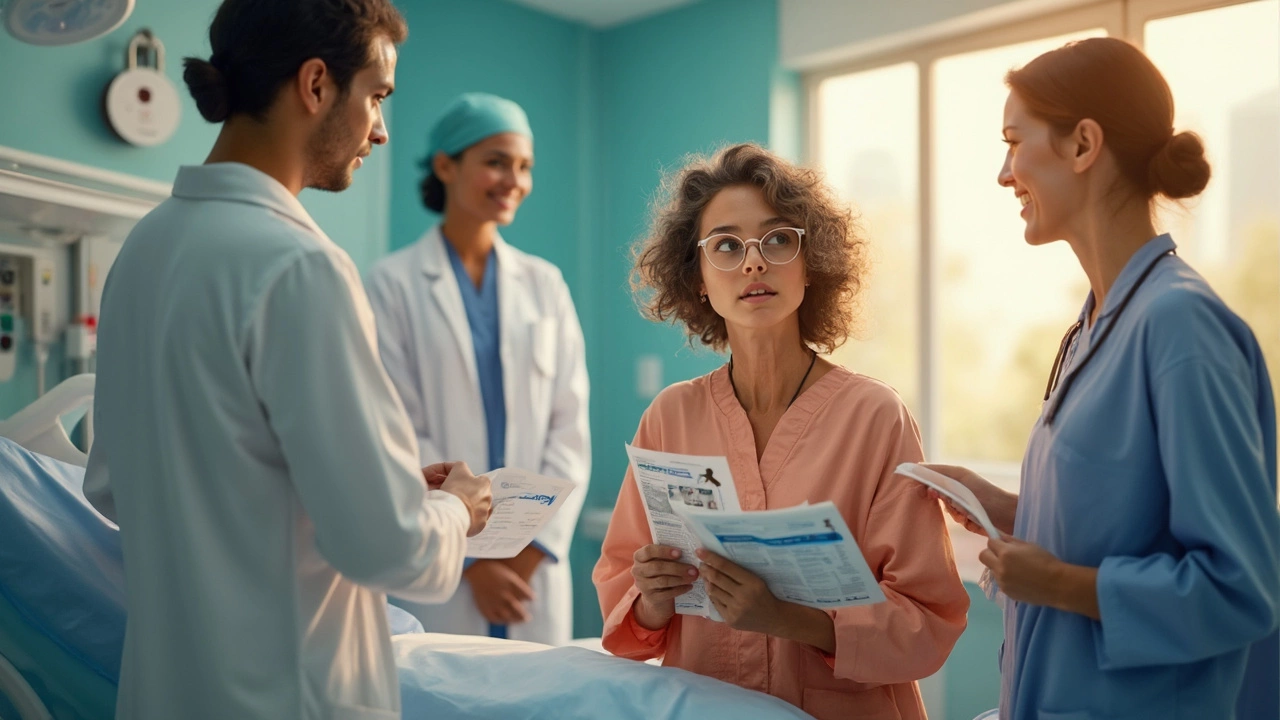
Top 5 Cancer Treatments: What You Need to Know
Cancer treatment is a dynamic field with various options influenced by the type and stage of cancer, as well as the patient's overall health. This article explores the top five cancer treatments including surgery, chemotherapy, radiation therapy, immunotherapy, and targeted therapy. Each treatment has its unique approach in fighting cancer, offering hope to patients. Understanding these treatments can empower patients to make informed decisions. Learn about how these treatments work and their impact on the journey to defeating cancer.
read more