Cancer Recovery: What Works, What Helps, and What to Expect
When someone talks about cancer recovery, the process of regaining health and quality of life after cancer treatment. Also known as post-treatment healing, it's not just the end of chemo or radiation—it's the beginning of a new kind of journey. Many people assume recovery means the cancer is gone and life goes back to normal. But it rarely does. Recovery is messy, personal, and often slower than anyone expects. It’s not just about physical healing—it’s about rebuilding energy, trust in your body, and a sense of control after everything that’s been taken away.
What helps most in cancer recovery, the process of regaining health and quality of life after cancer treatment. Also known as post-treatment healing, it's not just the end of chemo or radiation—it's the beginning of a new kind of journey. isn’t always medicine. Nutrition plays a huge role. Foods that fight inflammation—like turmeric, leafy greens, and healthy fats—are more than just trendy. They help your body repair itself after the damage of treatment. And while no diet cures cancer, the right one can reduce fatigue, improve sleep, and even lower the chance of recurrence. That’s why so many people turn to Ayurvedic diet, a personalized eating plan based on body type to restore balance and support healing. Also known as dosha-based nutrition, it focuses on whole foods, digestion, and timing—not just calories. It’s not about strict rules. It’s about listening to your body when it’s weak, nauseous, or exhausted. Some need warm, cooked meals. Others need lighter, cooling foods. The key is consistency, not perfection.
Recovery also means dealing with the emotional weight. Fear of return, anxiety about scans, grief over lost time—it’s all real. And it’s not something you just ‘get over.’ That’s why many find support in simple routines: walking every morning, journaling before bed, or breathing exercises that ground them. Even small wins matter. Getting dressed without needing a nap. Eating a full meal. Laughing without guilt. These aren’t just milestones—they’re proof you’re healing, even when it doesn’t feel like it.
And then there’s the question of treatment after treatment. For some, chemotherapy, a drug-based cancer treatment that kills fast-growing cells. Also known as chemo, it's often used to shrink tumors or prevent spread. is part of the journey. For others, it’s over—but the side effects linger: nerve pain, brain fog, joint stiffness. That’s where recovery gets real. It’s not about chasing a miracle. It’s about managing what’s left, finding what brings comfort, and learning how to live with changes that may be permanent.
The posts below don’t promise miracles. They don’t sell supplements or quick fixes. They give you real talk: what survival rates actually mean, why some cancers are harder to treat, how people live years after diagnosis, and what tools—from diet to mindset—make a difference. Whether you’re a patient, a caregiver, or just trying to understand, these stories and facts are here to help you see cancer recovery for what it is: not a finish line, but a new way of moving forward.
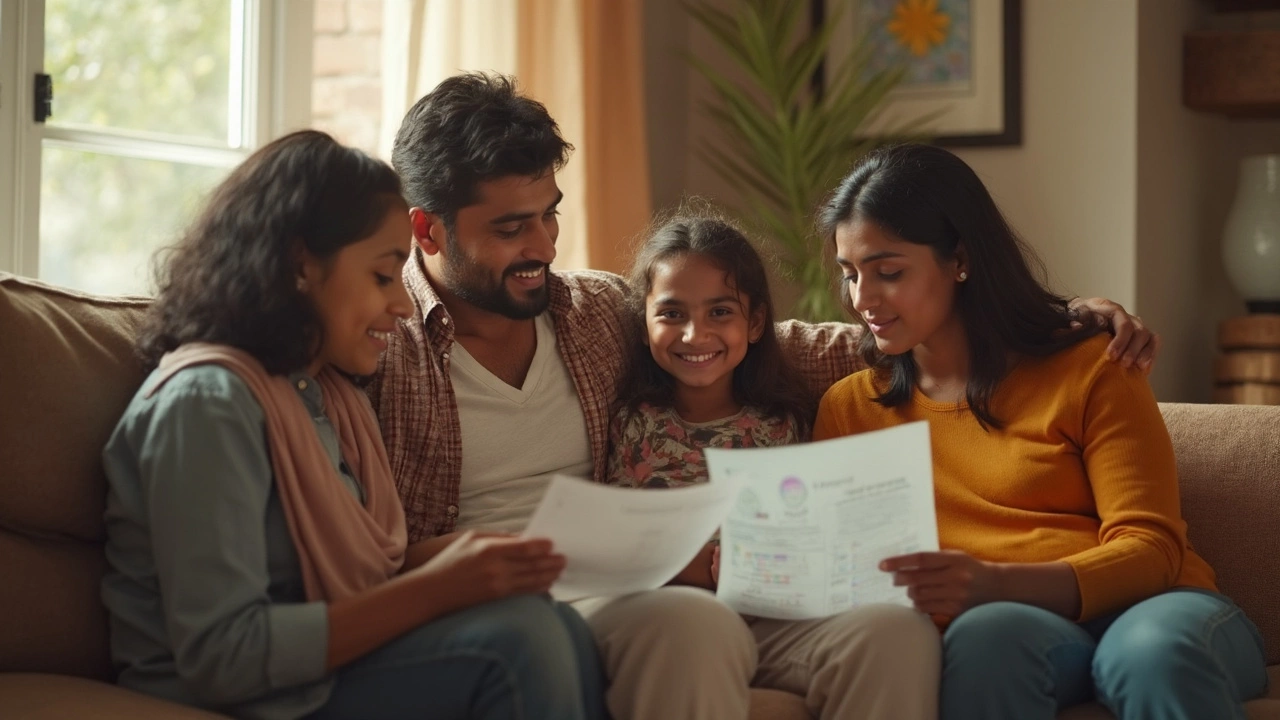
Can You 100% Recover from Cancer? What Science Really Says
This article digs into the real chances of fully recovering from cancer. It explains what remission actually means, how modern treatments work, and why the idea of being 100% 'cured' can be complicated. You'll find out about survival stats, the reality of long-term monitoring, and what makes some cancers more likely to come back than others. No sugarcoating—just honest facts and helpful advice for anyone dealing with a cancer diagnosis.
read more